Restoring Bison
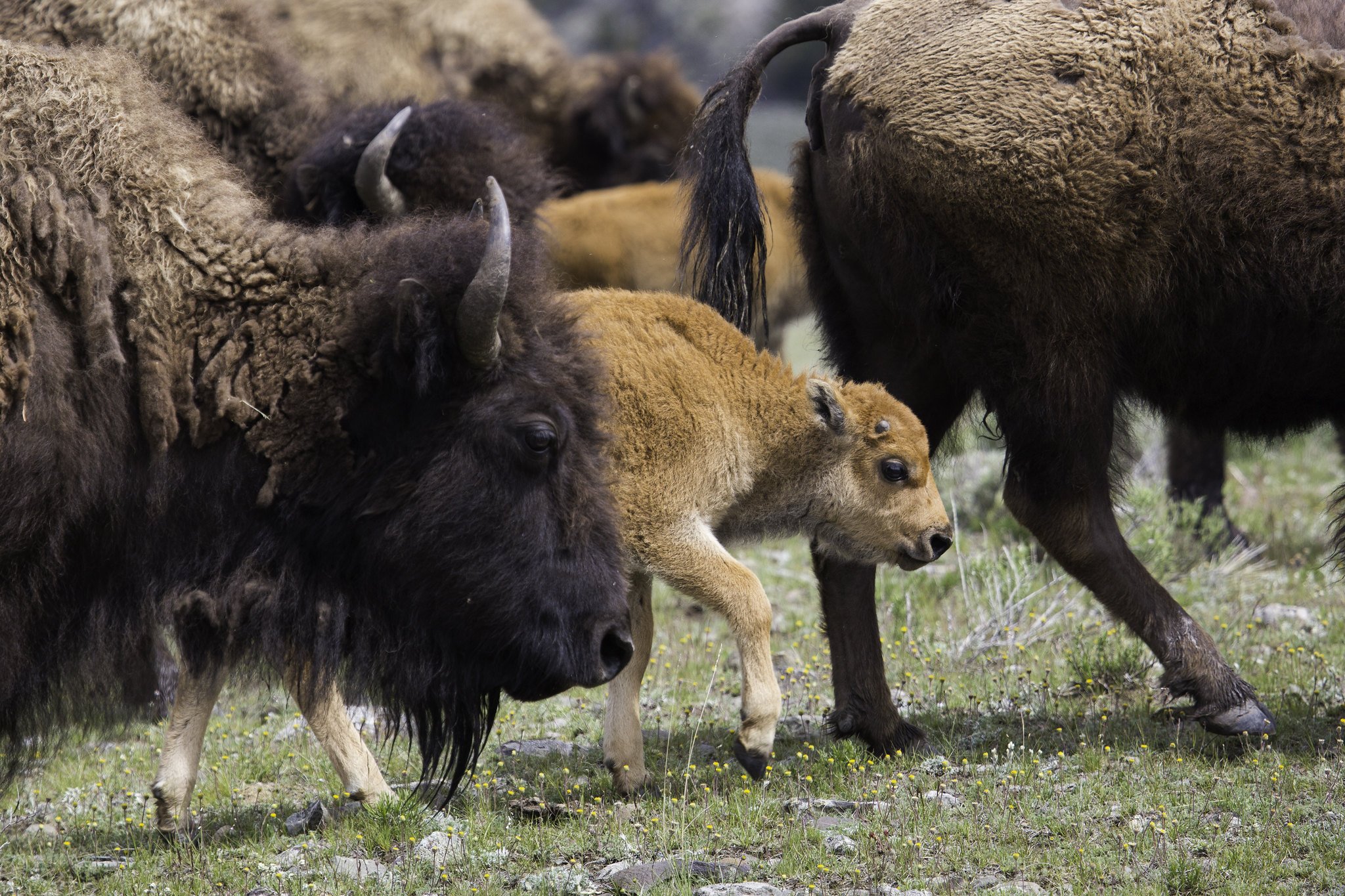
Yellowstone bison represent one of America’s greatest conservation success stories, but the future of our national mammal faces risks to meaningful restoration. Their unparalleled genetics, cultural significance, and ecological impact are among the many hallmarks of this remarkable species.
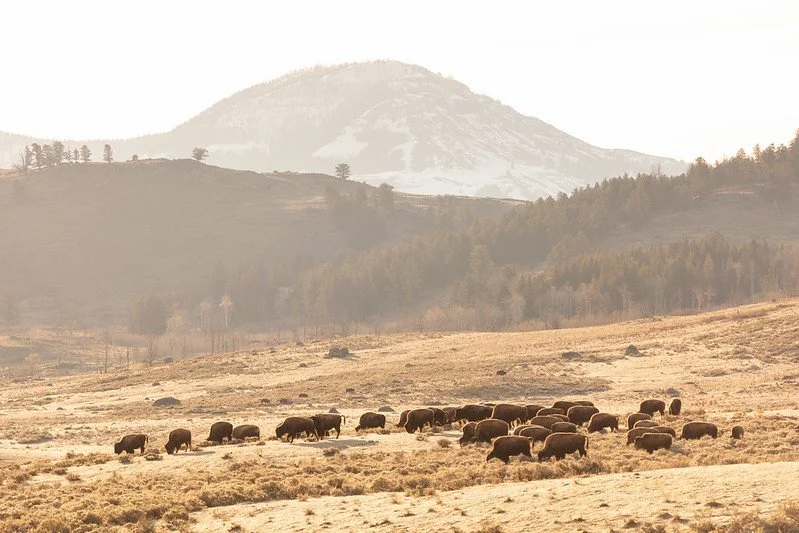
Yellowstone National Park is the only place in the world where wild American plains bison can be witnessed in large, free-roaming herds. Yellowstone bison are also inextricably tied to the Native people and cultures that shared the landscape with them for millennia. But the fact that these bison exist at all is miraculous. The roughly 5,000 bison living in Yellowstone today are descendants of just two dozen individuals that found refuge in the park’s rugged interior while European settlers and the American military systematically killed millions of bison through market hunting and with the intention of eliminating Tribes that depended on the species.
The Greater Yellowstone Coalition joins more than 90 percent of Americans who support restoring healthy bison herds at Yellowstone National Park and other appropriate public lands.
Our Bison News


How the Greater Yellowstone Coalition Supports American Bison Restoration

Supporting Yellowstone National Park’s Bison Conservation Program
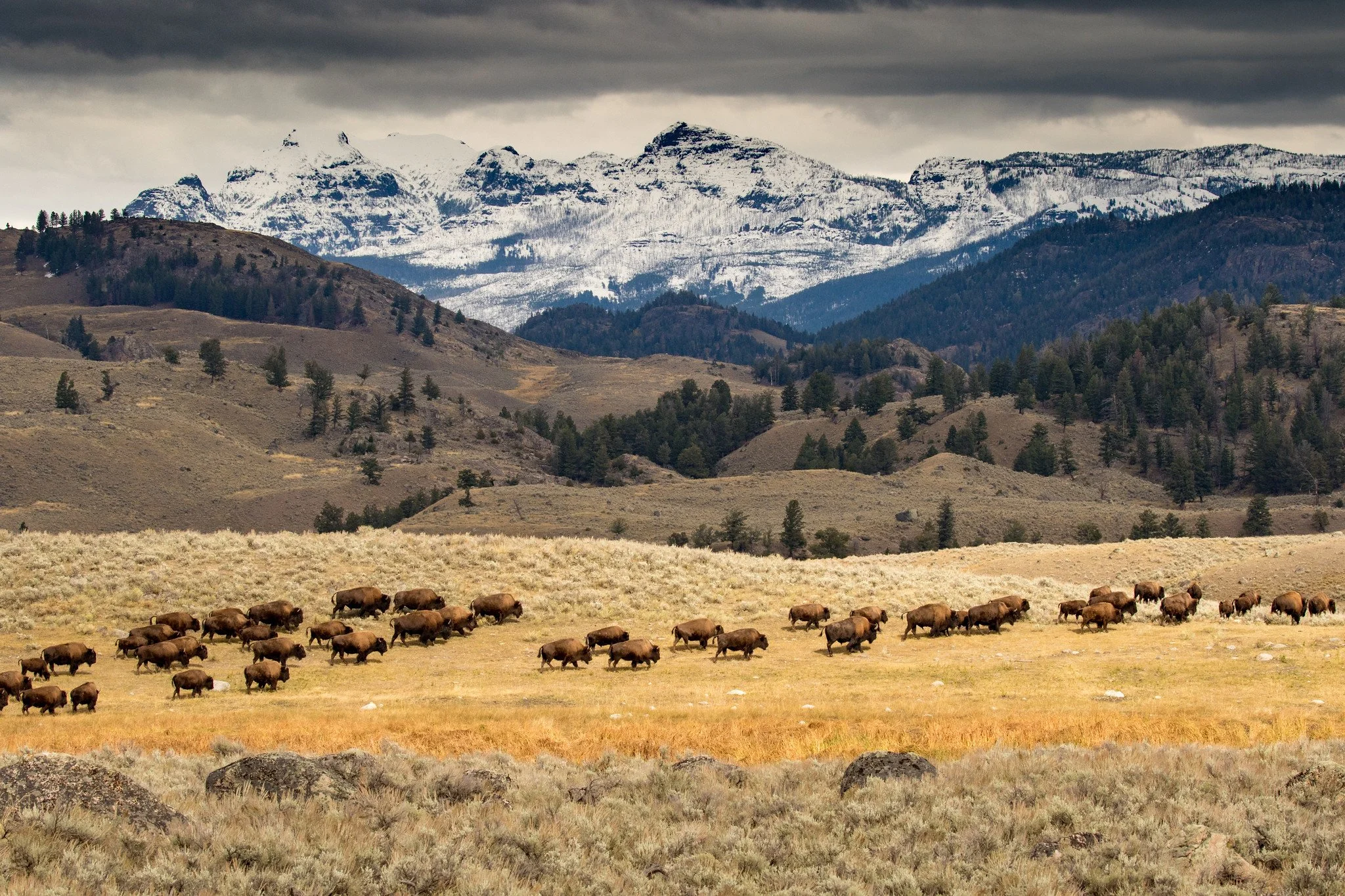
We are advocates for and investors in Yellowstone National Park’s Bison Conservation Transfer Program, which diverts disease-free bison from slaughter and rehomes them to Tribal lands and appropriate public lands to restore bison to the landscape more broadly and honor Indigenous treaty rights and connection to buffalo. Coordinated efforts among partners are underway to expand this program and divert more healthy bison to Tribal lands.
In February 2026, we saw the largest bison transfer to date with 213 bison sent to the Fort Peck Indian Reservation!
Building Social Tolerance on the Land for Bison
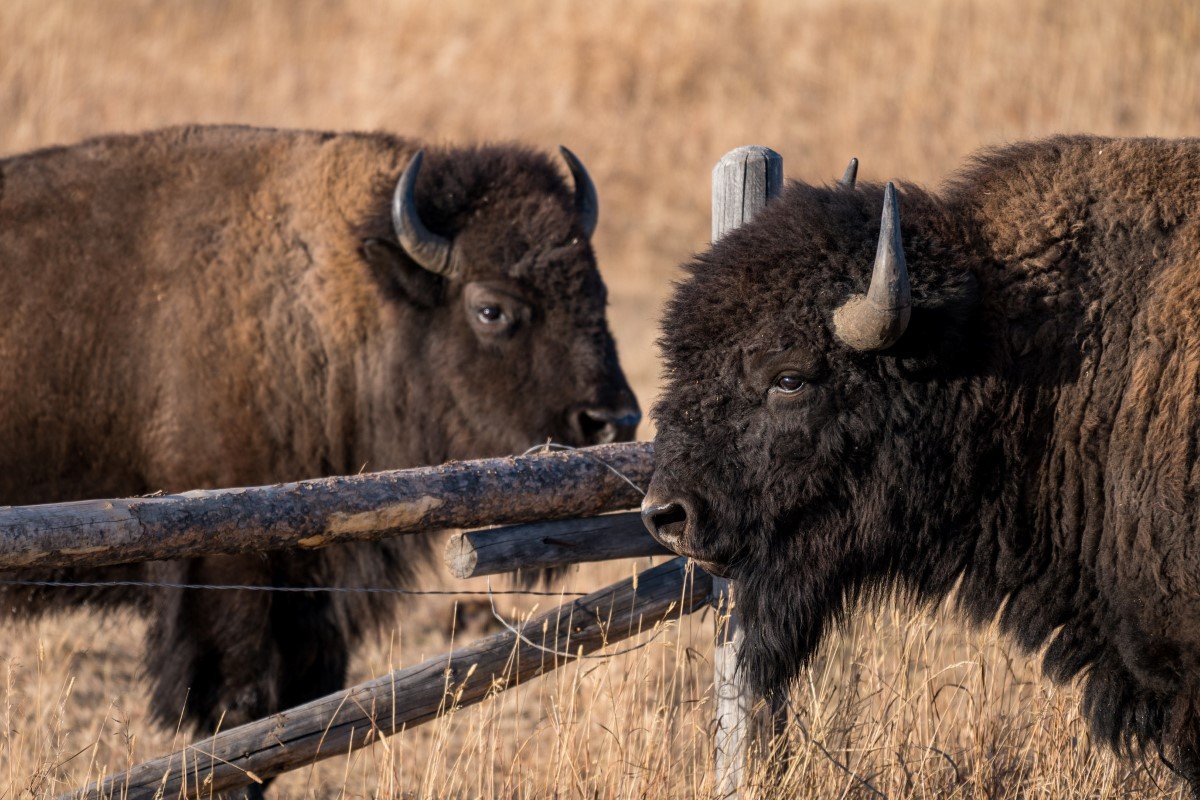
Since 2011, we’ve been building social tolerance for bison outside of national parks through the Yellowstone Bison Coexistence Program which has supported more than 60 landowner fencing projects with the aim of reducing conflict. We have partnered with the state of Montana to expand areas outside of Yellowstone National Park where bison are allowed to roam, and worked alongside ranchers, the U.S. Forest Service, and nonprofit partners to remove potential conflicts with their cattle through voluntary grazing allotment retirement and land leases.
Working alongside conservation partners, we collaborated with federal and state agencies and local ranchers to reduce potential cattle conflicts through voluntary grazing allotment retirements and land leases, and with the State of Montana to expand areas outside Yellowstone National Park where bison are allowed to roam.
Supporting the Expansion of Tribal Buffalo Herds
We also support the expansion of Tribal buffalo herds through a number of programs, partnerships, and initiatives which includes our leadership role within the Wind River Water and Buffalo Alliance, the Wind River Tribal Buffalo Initiative to support their vision to restore 1,000 buffalo across 100,000 acres of the Wind River Indian Reservation, and additional Tribal partners to expand restoration efforts.
Advocating for Science-Led Bison Management
While wolves, weather, and food supply shape the lives of bison inside Yellowstone, outside the park their biggest threats come from archaic wildlife laws, fears around disease transmission, and political whims.
As Yellowstone bison follow their seasonal migration instincts, they seek lower elevation habitat outside the park boundaries in Montana each winter. But within the Montana livestock industry there are significant fears around the possibility of bison transmitting brucellosis to livestock. Brucellosis is a cattle-borne disease carried by many Yellowstone bison and elk because of historic contact with cattle. And while there has never been a documented case of a wild bison transmitting brucellosis to cattle and all transmission events have been linked back to elk, bison movements in Montana are severely restricted as a result.
In 1995, the state of Montana sued Yellowstone National Park over the issue of bison crossing the park boundary and moving onto private, state, and Forest Service lands in Montana. Five years later, the Interagency Bison Management Plan (IBMP) was implemented to drastically limit Yellowstone bison numbers to no more than 3,000 bison – not to reflect the ecological carrying capacity of the land, but as a tool for keeping bison in the park and preventing them from dispersing into Montana.
For the first time since 2000, and after several years of planning and a public process that included input from Tribes, the public, conservation interests, and the state of Montana (27,150 comments in all), Yellowstone developed a new bison management plan that recognizes and responds to years of positive policy changes, increases in social tolerance, modern science, and that honors and respects Tribal treaty rights and the cultural significance of Yellowstone bison to dozens of Tribes.
For example, the new plan adopts a long overdue population range, moving away from the politically driven cap of 3,000 to a population that is allowed to range between 3,500 to 6,000 animals. It also prioritizes using the Bison Conservation Transfer Program and hunting to manage the population, instead of shipping large numbers of animals to slaughter. Importantly, the new plan renews a commitment to continue coordinating with the many interests at the table to make sure bison are here for the long haul.
Our Wins and Progress for Bison
In 2015, we worked with the state of Montana to expand tolerance zones that give bison space to roam outside of Yellowstone National Park within the borders of Montana establishment and incremental expansion of tolerance areas outside the Park where bison are allowed to go.
In 2021, the Greater Yellowstone Coalition successfully raised $250,000 to contribute to the expansion of the Bison Conservation Transfer Program’s quarantine facility. Alongside a $500,000 commitment from the park and another $250,000 raised by our partners at Yellowstone Forever, this funding supported facility upgrades that nearly tripled the capacity of the program to accept and manage bison.
In 2024, the federal Animal & Plant Health Inspection Service and the state of Montana agreed to shorten the duration of time it takes for bull bison to complete the first two phases of quarantine, from 1.5 years to now just 300 days. This means more bison diverted from slaughter and rehomed to Tribal lands across the country.
Learn More about Yellowstone’s Bison with GYC’s Shana Drimal
