Blog and Stories
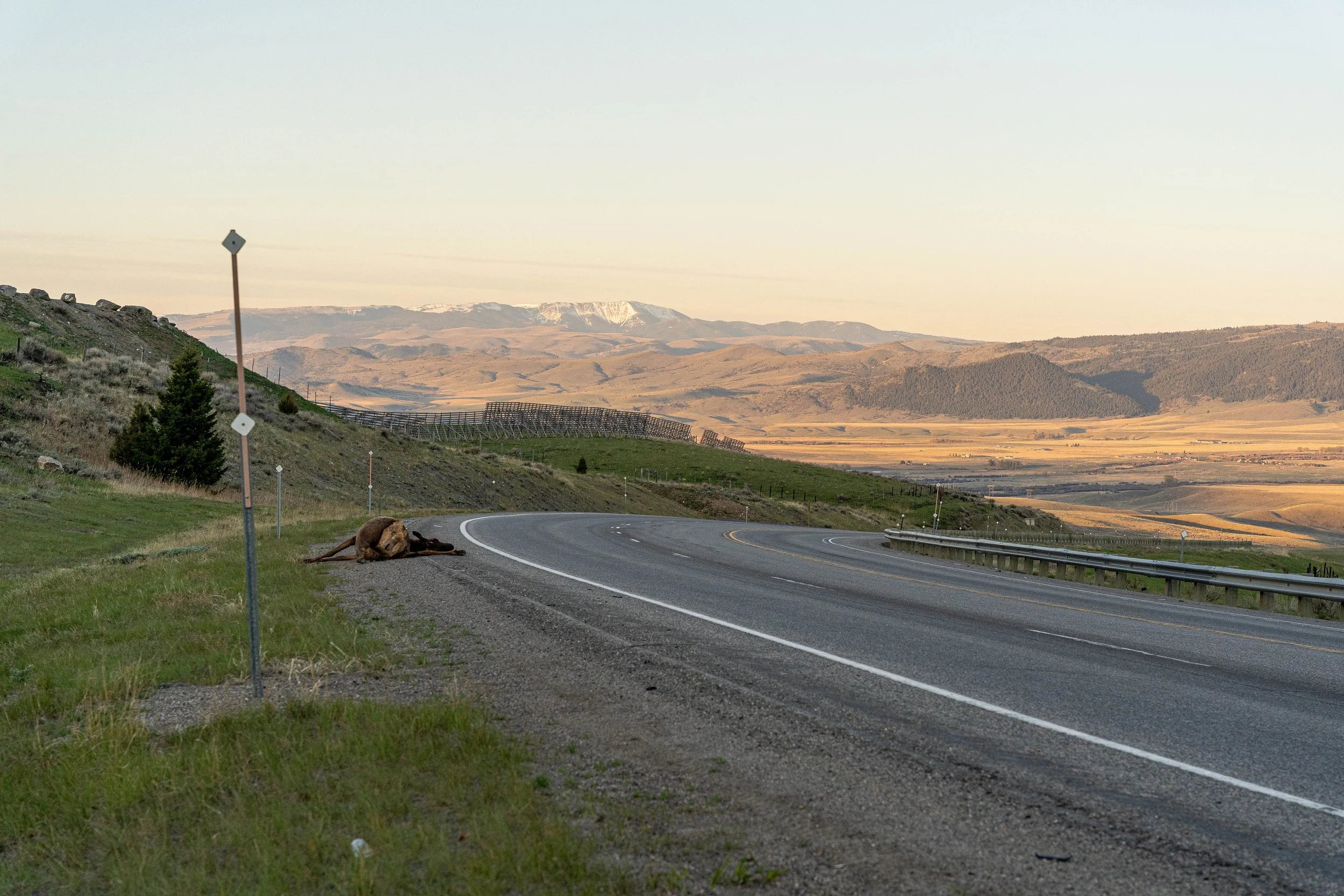
Neighbors Come Together to Make Madison Valley Roads Safer for People and Wildlife
Madison Passages grew out of conversations among ranchers, residents, local businesses, and conservation partners who share these roads and care deeply about this place. It is led by the community, and its approach is grounded in local knowledge, priorities, and support. The group’s goal is to reduce wildlife-vehicle collisions while maintaining the connectivity wildlife need to reach food, water, breeding areas, and winter habitat.
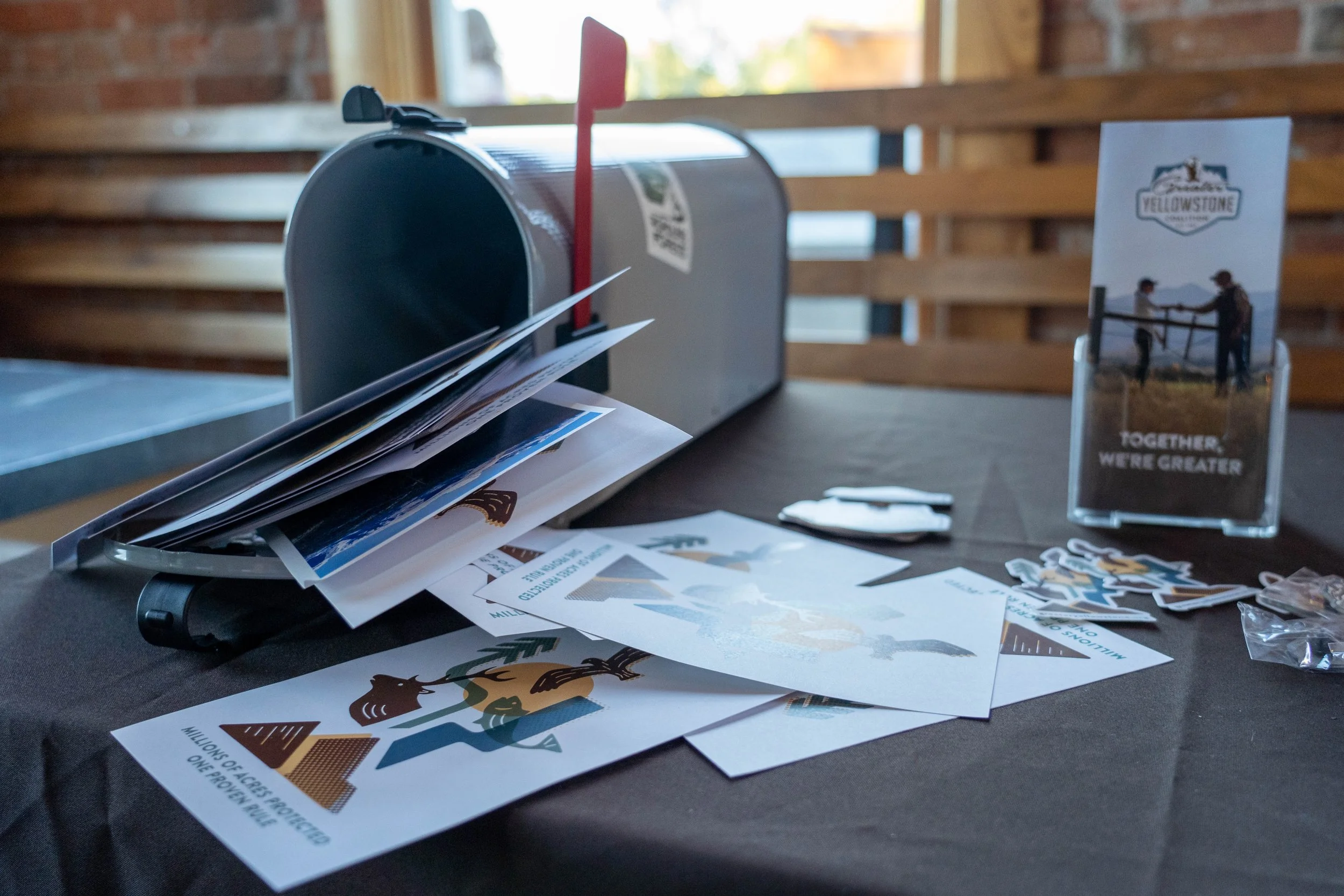
GYC Supporters Send 31,500 Comments to USDA in Support of the Roadless Rule
In just 45 days, Greater Yellowstone Coalition advocates sent 31,561 public comments from all 50 states urging the U.S. Department of Agriculture to keep the Roadless Area Conservation Rule.
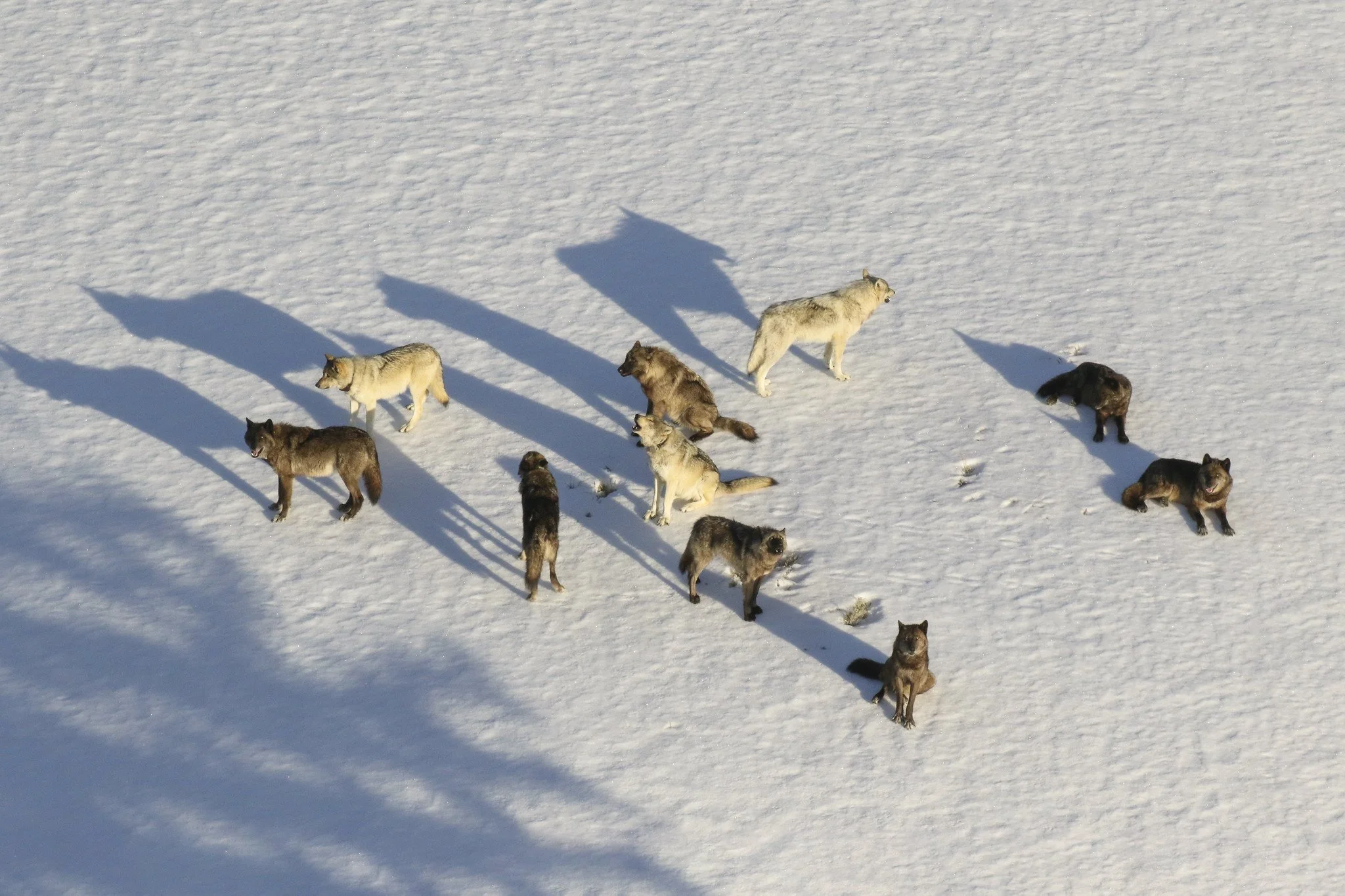
Montana Wolf Hunting and Trapping Regulations Move in the Right Direction in Response to Significant Population Decline
Last month, the Montana Fish and Wildlife Commission reduced the overall number of wolves that can be hunted and trapped in the state in response to new information indicating a significant statewide population decline. Alongside a return to regional management, lower quotas in Wolf Management Units 313 and 316, and a reduction in the number of wolves an individual hunter can take, these changes marked a step in the right direction for the 2026-2027 Montana wolf hunting and trapping season.
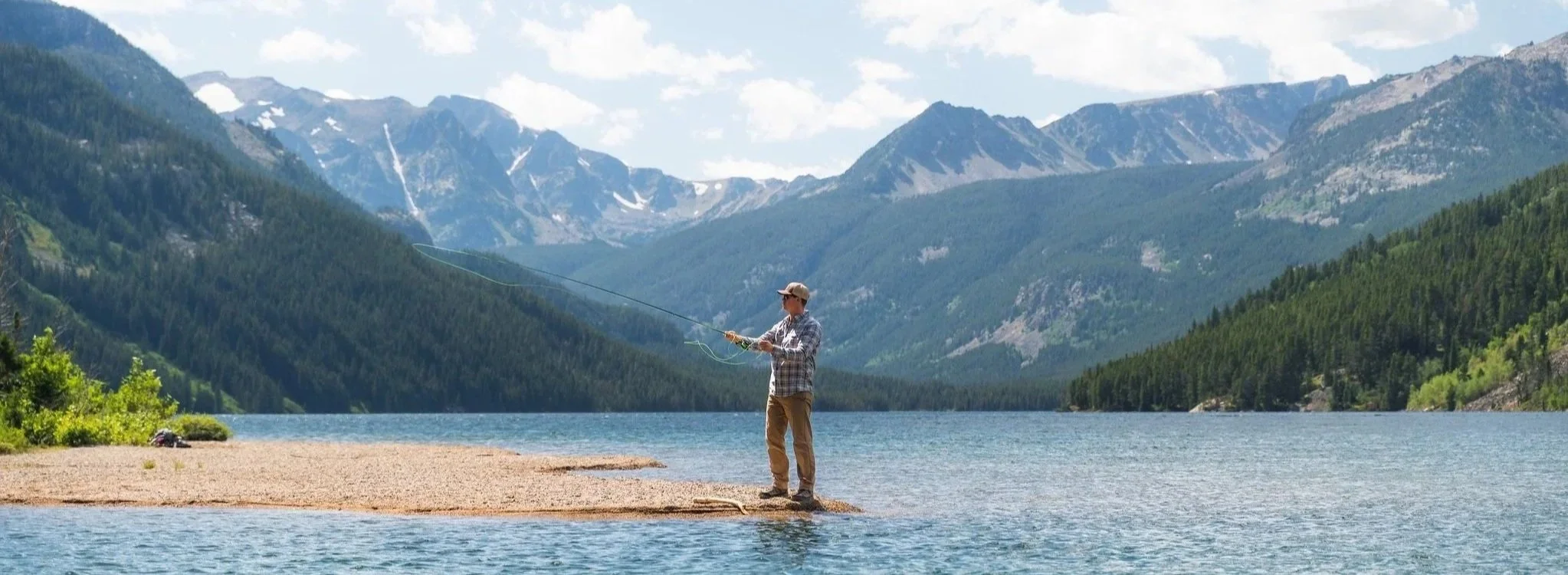
The Roadless Rule Protects More Than Wild Places
Check out GYC Executive Director Scott Christensen’s column on the USDA elimination of the Roadless Area Conservation Rule.
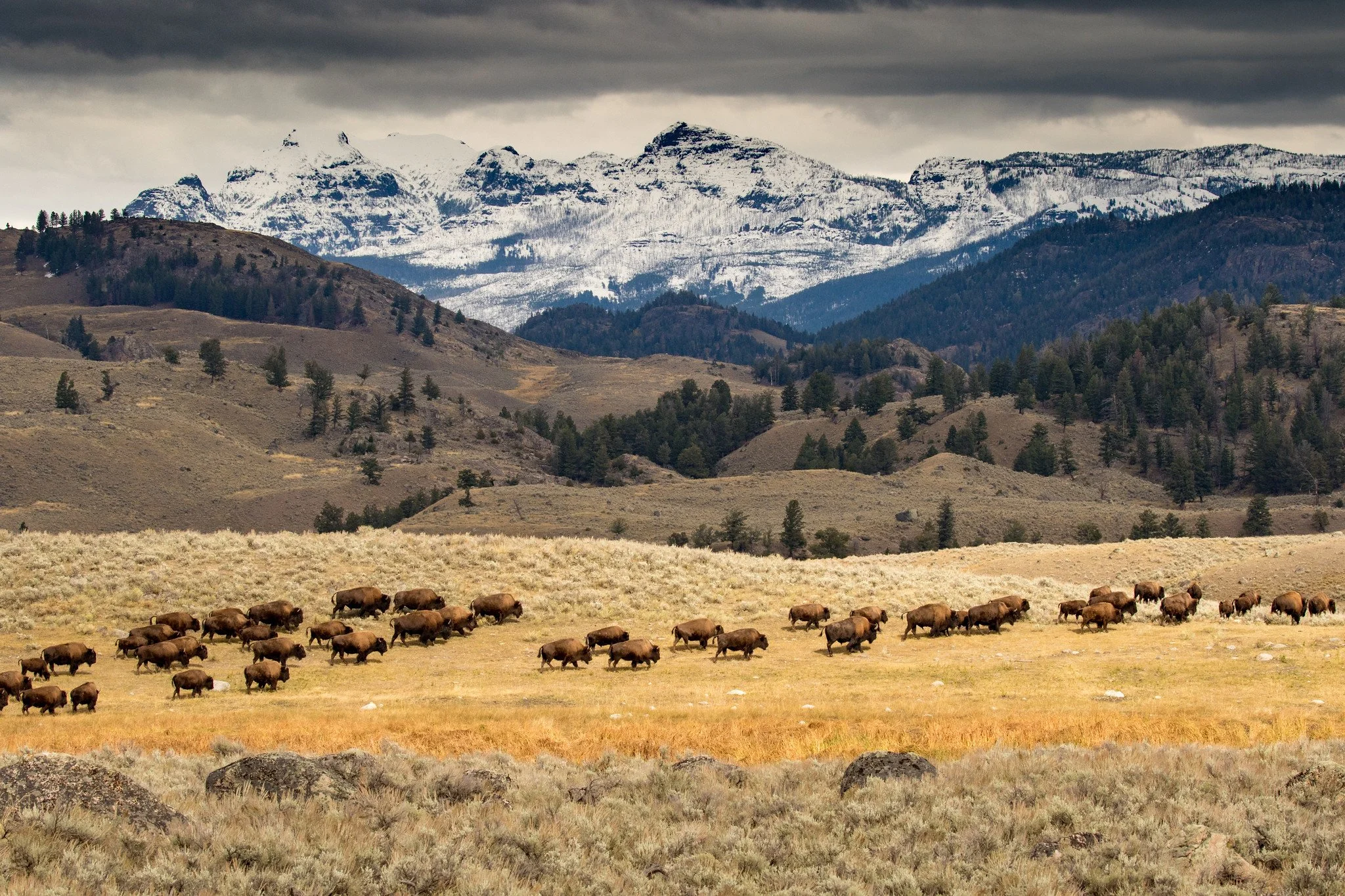
Montana Moves to Drop its Frivolous Bison Lawsuit
The State of Montana has moved to dismiss its lawsuit challenging Yellowstone National Park’s bison management plan which ends a baseless legal fight that threatened to undermine more than two decades of progress managing one of America’s most iconic wildlife populations.

GYC Bids a Fond Farewell to Yellowstone Park Superintendent Cam Sholly
Yellowstone National Park Superintendent Cam Sholly is leaving his post after nearly eight years leading the world’s first national park.
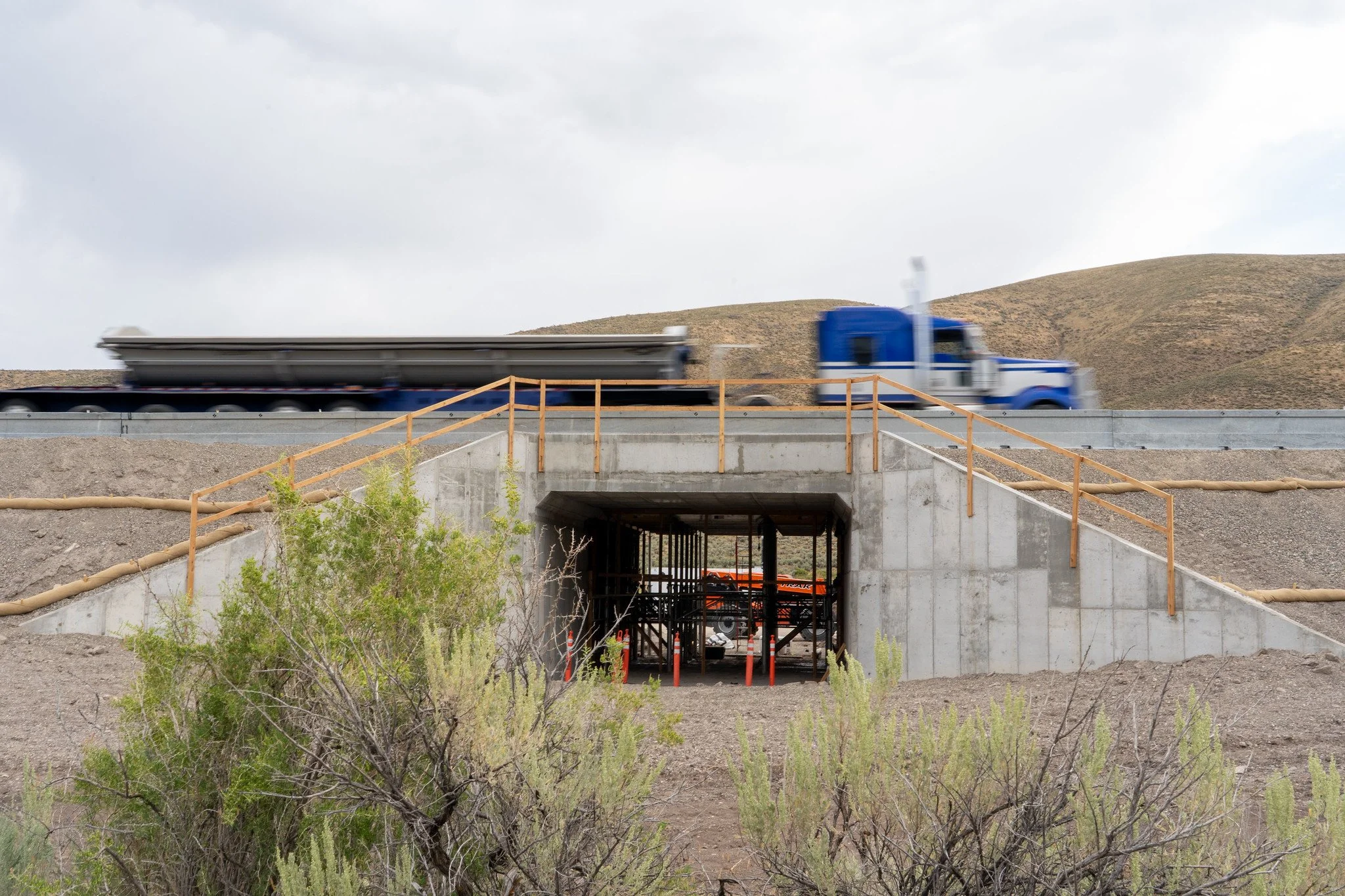
New Wildlife Crossing Nears Completion in Southeast Idaho, Keeping People and Wildlife Safe
Construction of three wildlife underpasses on U.S. Highway 30 south of Montpelier will be completed this fall, improving safety for people while protecting migrating deer and other wildlife.
Bear Lake County Commissioner Wynn Olsen, the Greater Yellowstone Coalition, the Idaho Conservation League, the Idaho Department of Fish and Game, and the Idaho Transportation Department on Tuesday hosted staff from the offices of Sen. Mike Crapo, Sen. Jim Risch, Rep. Mike Simpson, and other regional decision-makers to tour the project to demonstrate the importance of wildlife crossings to public safety and wildlife migrations on Idaho roads.
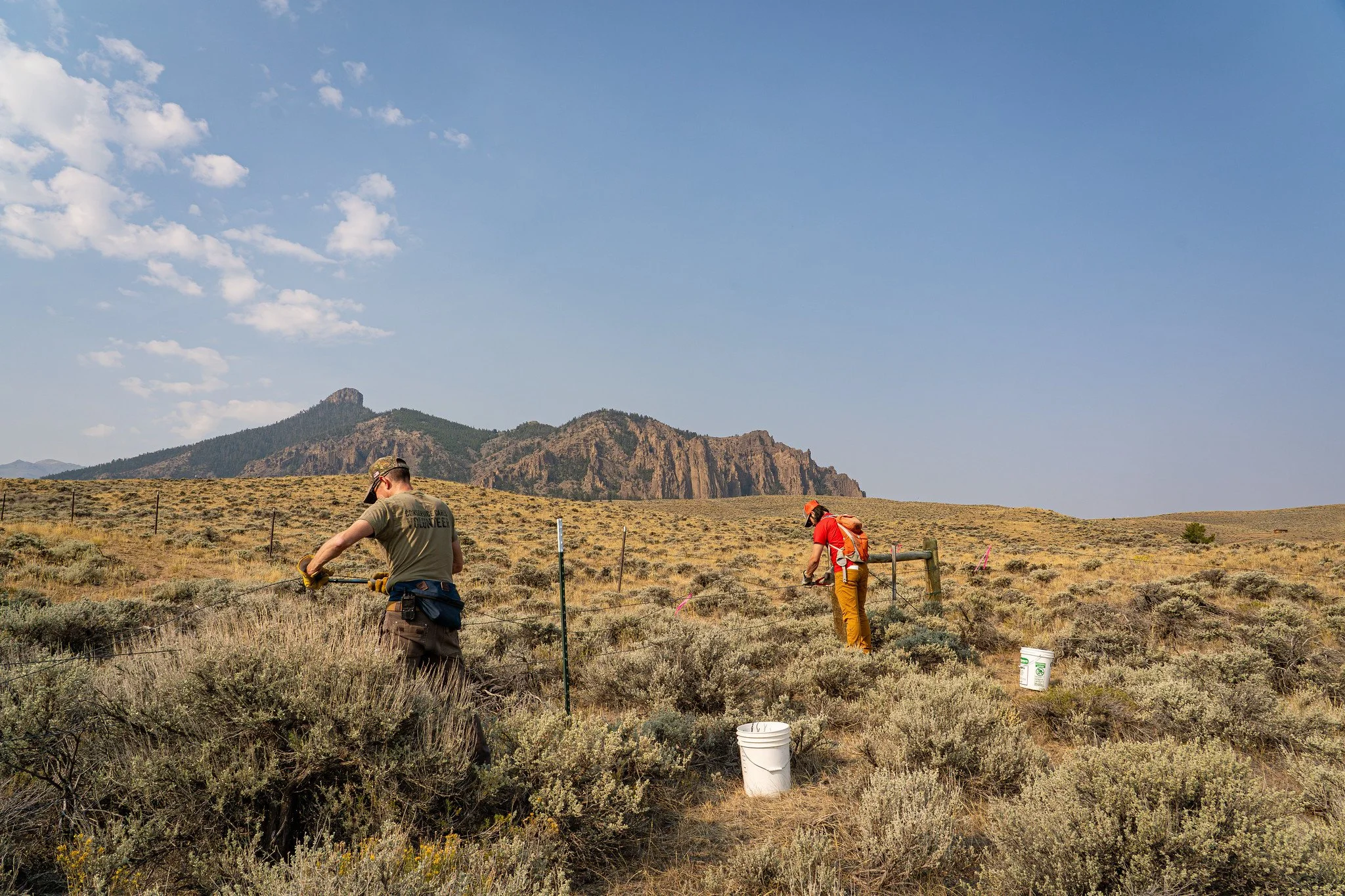
A Day in the Wyoming Field: Preserving Habitat Connectivity and Migration Routes by Removing Fences
On a smoky day in August, more than 20 volunteers removed 1.82 miles of barbed wire fencing outside of Cody, Wyoming. By removing or modifying fencing in the Greater Yellowstone Ecosystem, we’re making it easier for wildlife to move and migrate across the landscape.
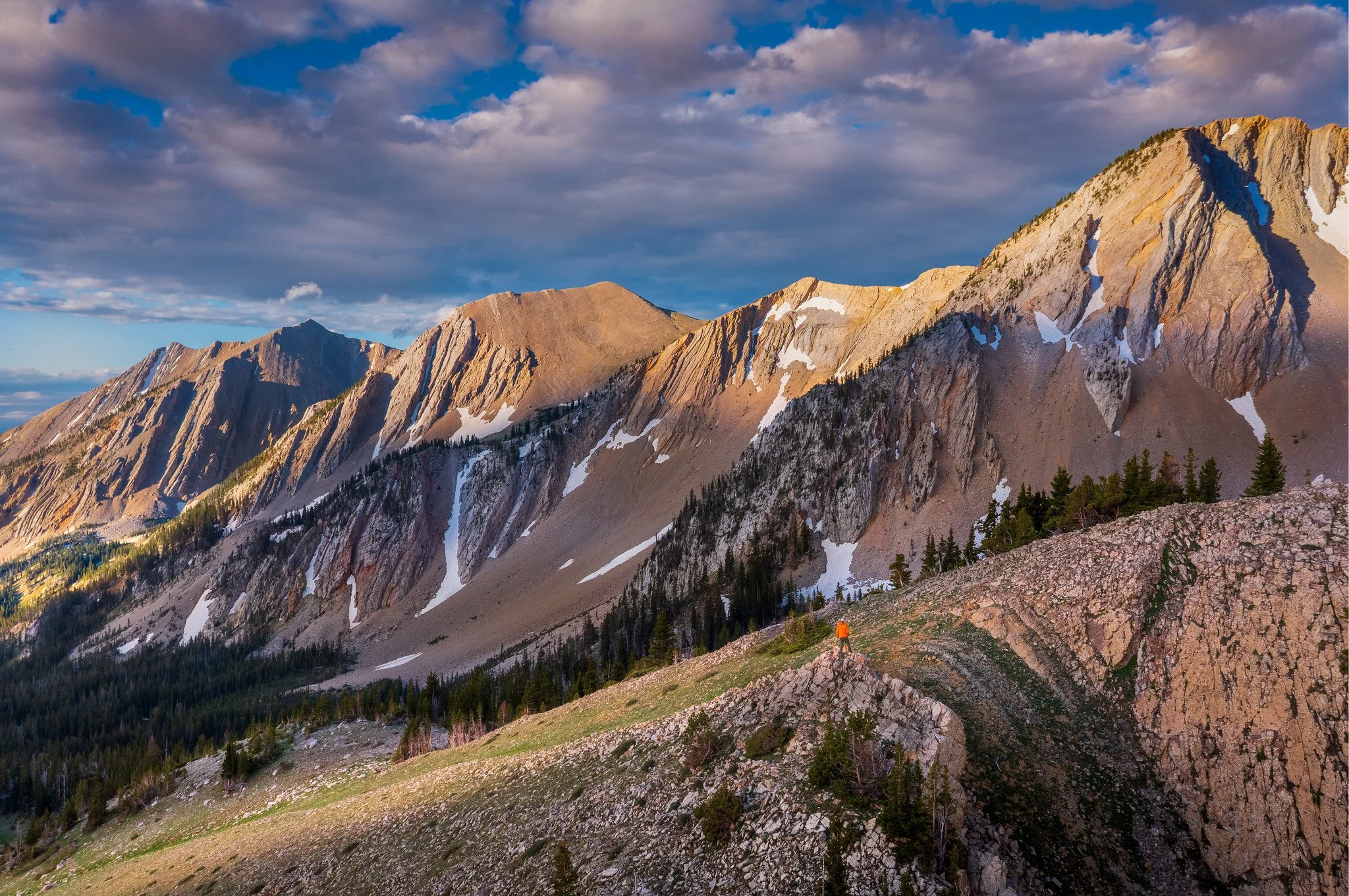
USDA Announces Plan to Rollback Roadless Area Conservation Rule
Some of the wildest, most pristine forest lands in the Greater Yellowstone Ecosystem are under threat by the rollback of the 25-year-old Roadless Area Conservation Rule. Millions of acres of spectacular, undeveloped places are at risk of development. Join us to speak up for your favorite wild places and urge the USDA to keep the Roadless Rule.
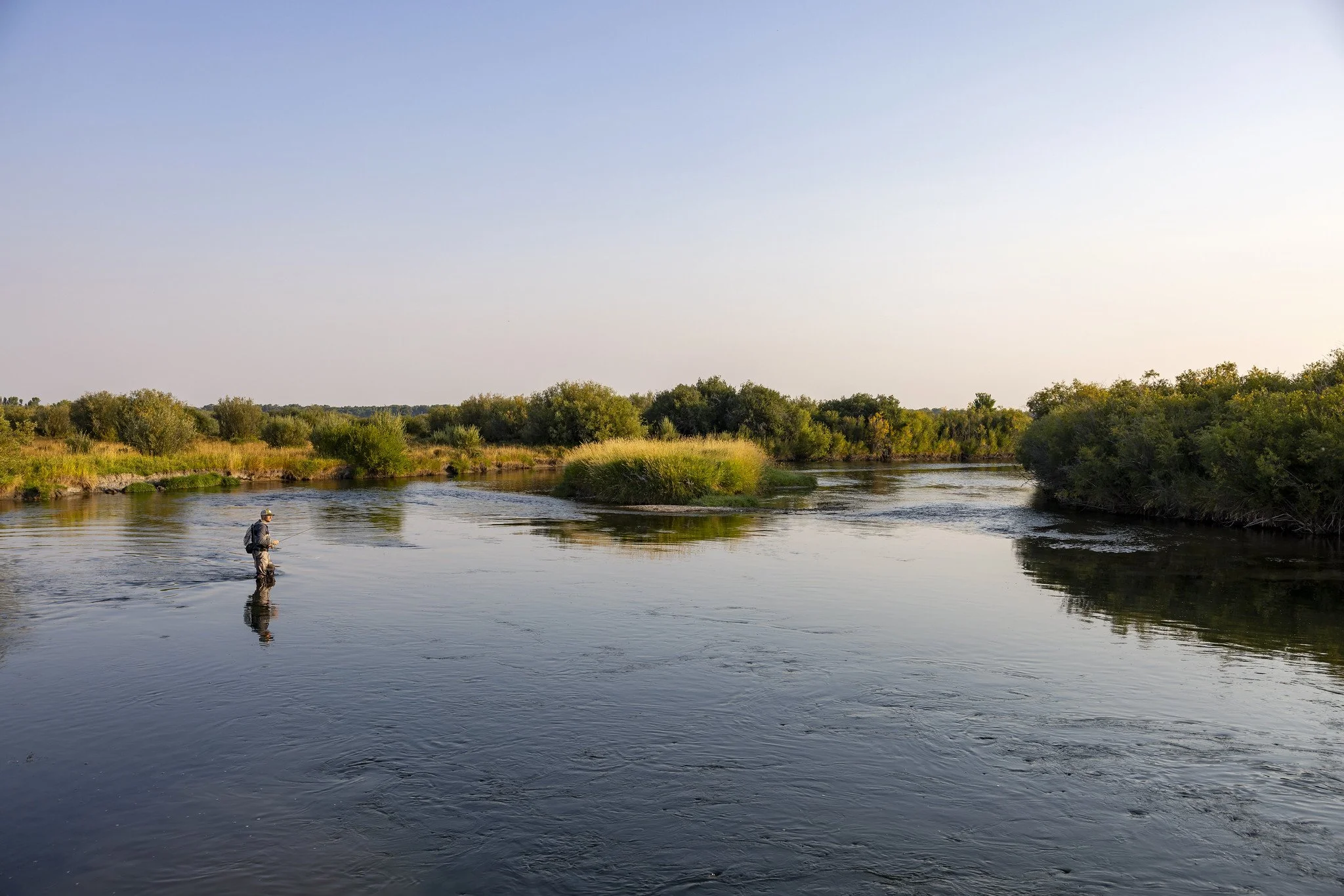
91 Percent of Wyoming Voters Oppose Federal Public Land Sell-Offs
More than 90 percent of Wyoming voters agree that Wyoming’s federally managed public lands should remain in public hands and oppose any efforts to sell them off.
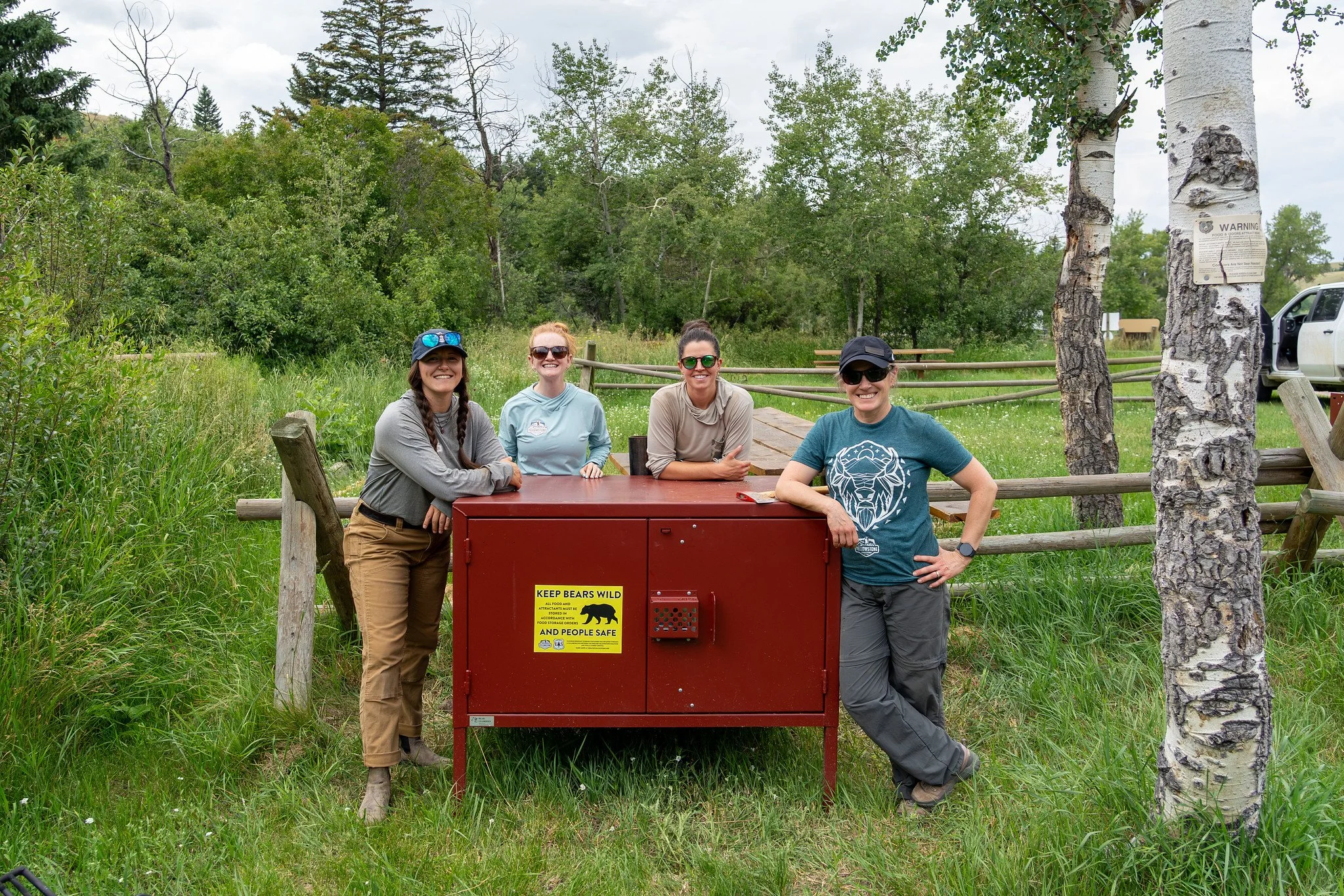
Campsite Bear Bins Keep People Safe and Bears Wild
Five metal storage containers were installed at the Bear Creek Campground in July, completing the deployment of 39 bear-proof containers that were delivered to the Beaverhead-Deerlodge National Forest in 2024 as part of a partnership between the Greater Yellowstone Coalition and the U.S. Forest Service to keep people safe and bears wild.
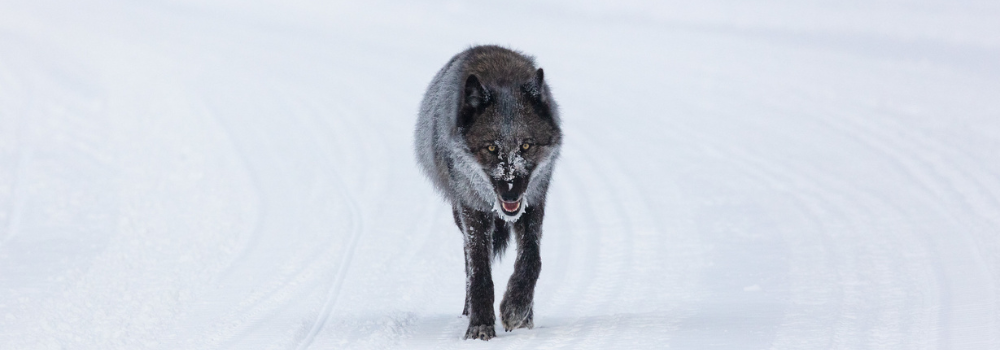
Montanans: Tell the Montana Fish and Wildlife Commission to Take a Conservative Approach to Wolf Management
Tell the Montana Fish and Wildlife Commission: set cautious, science-based wolf hunting and trapping regulations that protect Montana’s wolves for the long term.