Creating Native Fish Habitat
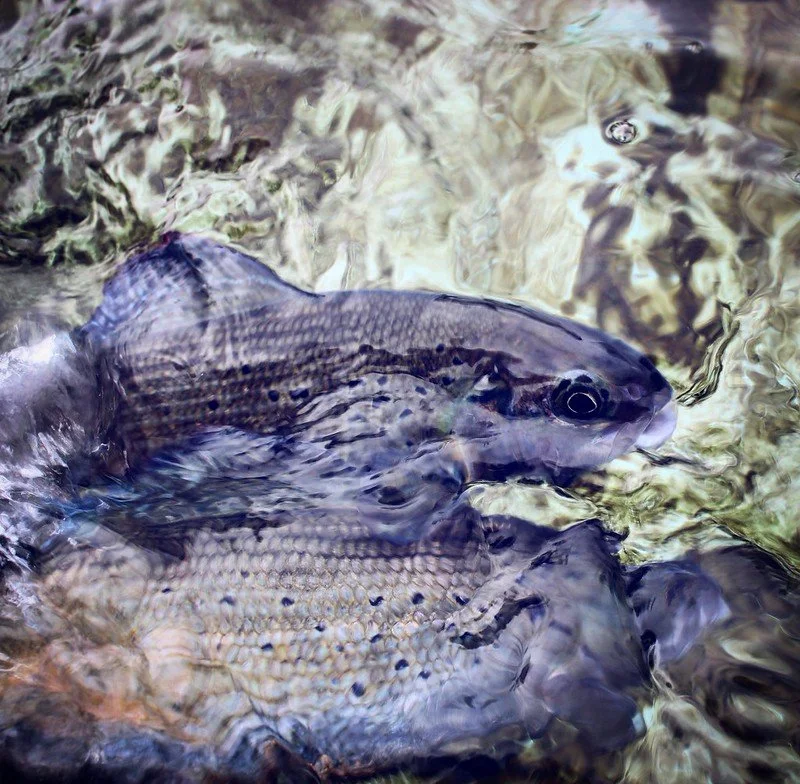
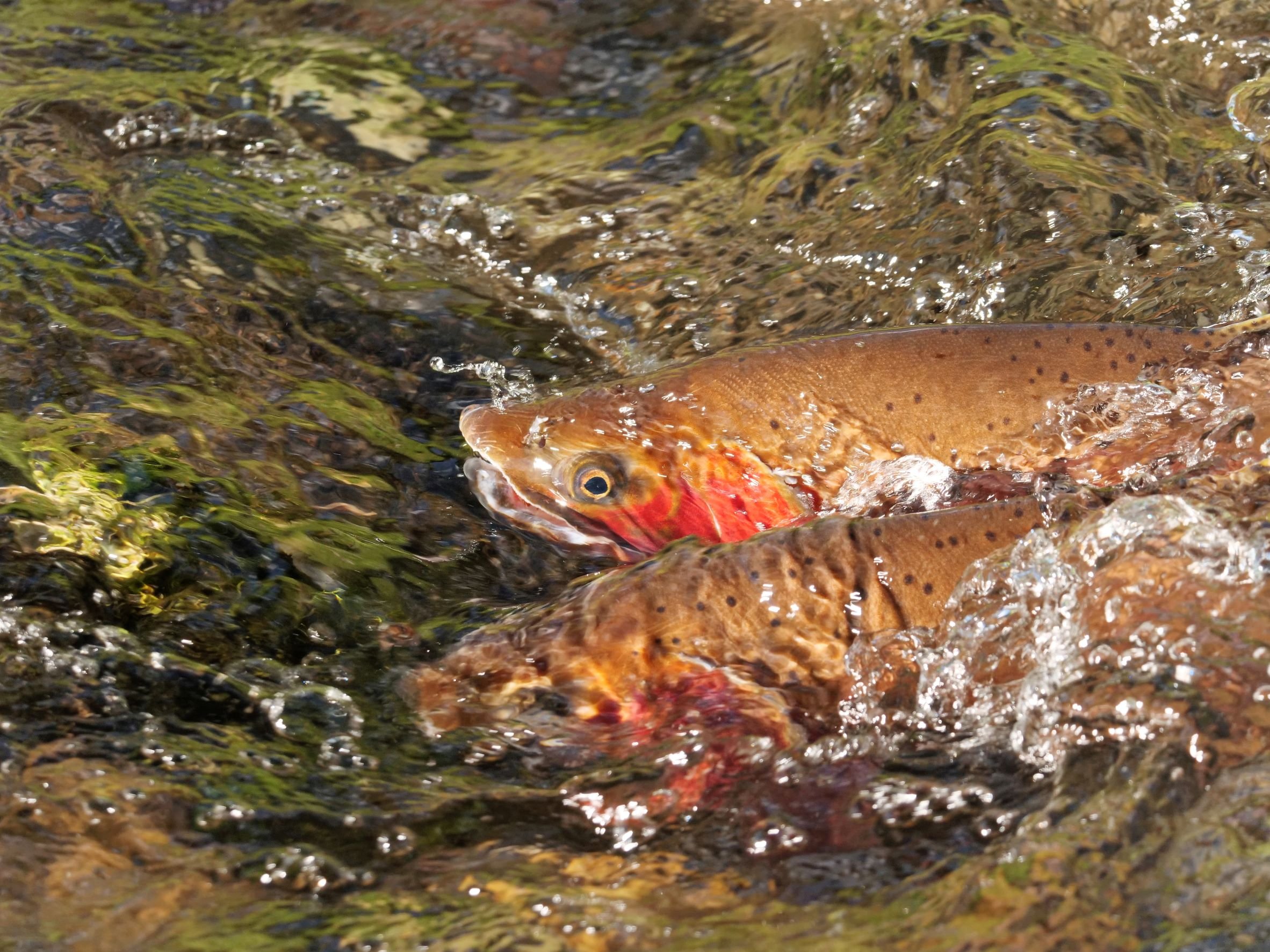
Greater Yellowstone’s native fish—including Yellowstone cutthroat trout, Arctic grayling, and Westslope cutthroat trout—are integral parts of the ecosystem’s food web and recreation economy. Countless species rely on native fish as a key food source for survival. Without them, the Greater Yellowstone Ecosystem would be fundamentally altered.
The conditions that have long sustained the region’s iconic native fish are becoming increasingly unstable, threatening the natural world and our way of life. Competition from non-native fish species makes it more difficult for native ones to find food and suitable habitat, decreasing the native fish population.
To ensure native fish populations persist long into the future, the Greater Yellowstone Coalition is dedicated to enhancing native fish habitat, reducing non-native fish populations, and supporting climate resiliency policies. By taking proactive measures, we help native fish thrive and sustain a healthy Greater Yellowstone Ecosystem.
Our Native Fish News


How the Greater Yellowstone Coalition Supports Native Fish
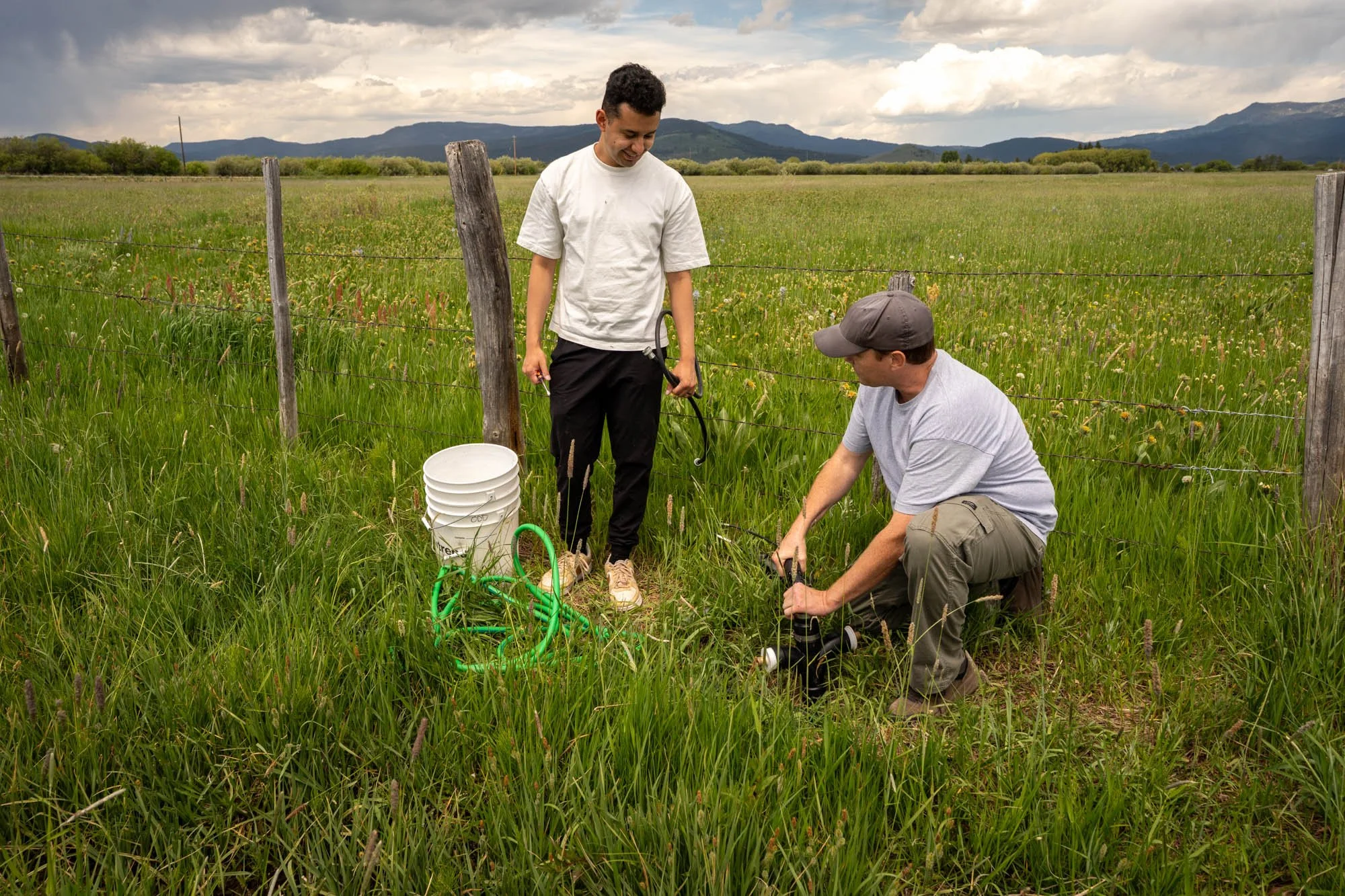
GYC partners with state wildlife agencies and conservation organizations to implement targeted restoration projects that protect and restore native fish populations. Our work includes habitat enhancement, strategic removal of non-native fish, and the construction of fish barriers to prevent further competition and hybridization.

Reducing Non-Native Fish in a Yellowstone River Tributary
GYC supports the removal of non-native fish in priority tributaries of the iconic Yellowstone River that flows through Montana’s Paradise Valley. These waterways are climate refugia, or areas that are protected from climate-related impacts, and home to native Yellowstone cutthroat trout that experience intense competition from non-native fish. We have partnered on projects to remove non-native fish and to build a fish barrier on Mill Creek so that this corner of the ecosystem will preserve local Yellowstone cutthroat trout conservation populations long into the future. GYC is working on similar efforts to protect native fish habitat in regional waterways including Crandall Creek, Crow Creek and Crowheart Warm Springs in Wyoming.

Enhancing Fire Resilience with River Restoration
In a landscape with increasing fire severity and water scarcity, GYC is working with agency partners to develop project planning guidance for fire-focused restoration in our rivers, streams, and wetlands. Healthy riverscapes can limit the spread of fires, resist being burned, and filter out contaminants for decades afterwards. The guidance created by GYC and its partners includes an interactive mapping tool to help identify and prioritize the best places to focus restoration work, along with practical advice for planning, design, and permitting for fire-focused restoration. This effort will be paired with a series of demonstration projects across the GYE.
Our Wins and Progress for Native Fish
By contributing funds to the removal of non-native lake trout on Yellowstone Lake over the years, we've supported Yellowstone cutthroat trout recovery in this critical location. This effort has resulted in cutthroat trout recovering from historical lows in the early 2000s.
In 2019, we helped to pass the Yellowstone Gateway Protection Act, a landmark piece of legislation that forever protects 30,370 acres of public land on the northern doorstep of Yellowstone National Park from gold mining. As a result, critical native fish habitat in this area is safe from the threat of toxic mining chemicals.
Our watershed restoration work also helps create and revive native fish habitat.
Tune In and Learn About the Yellowstone Cutthroat Trout Saga in Yellowstone Lake