Defending Wild Rivers
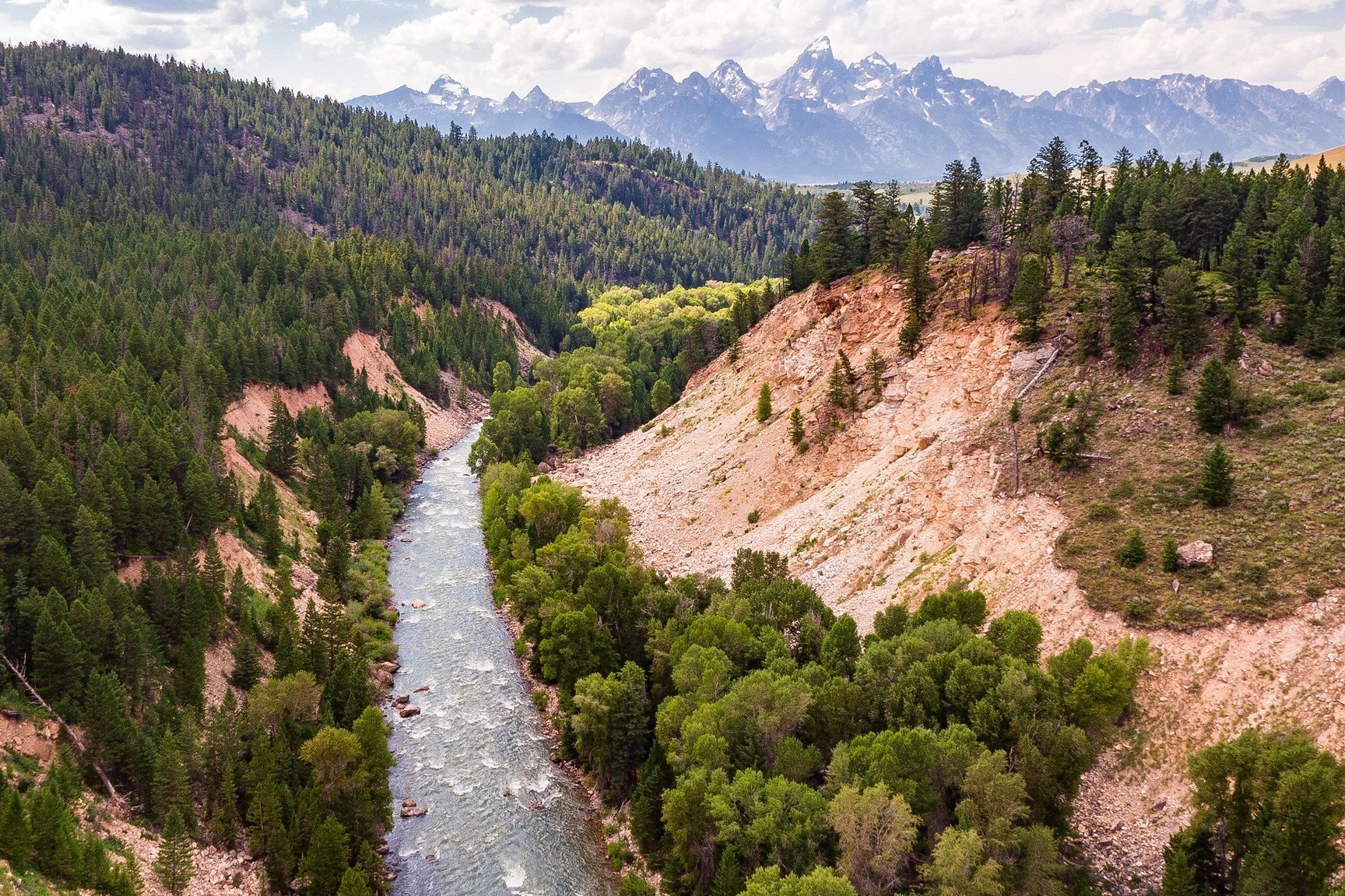
Spanning 22 million acres, the Greater Yellowstone Ecosystem is home to the headwaters of legendary rivers like the Yellowstone, Green, and Snake, whose health impacts our natural areas and communities as well as those downstream. Greater Yellowstone’s many rivers are the lifeblood of this extraordinary region, sustaining iconic fish and wildlife, vibrant communities, and unparalleled recreation opportunities.
For as vital and beloved as our cold, clean rivers are, their future is not secure. Development, drought, and wildfire put immense pressure on the region’s rivers, endangering the very conditions that have supported wildlife and communities for generations. Now is the time to protect these waters so they can keep supporting wildlife and communities long into the future.
The Greater Yellowstone Coalition works collaboratively to understand regional threats to water, prepare for a warmer, drier future, and protect rivers from the impacts of increased wildfire and development pressure for generations to come.
Our River News
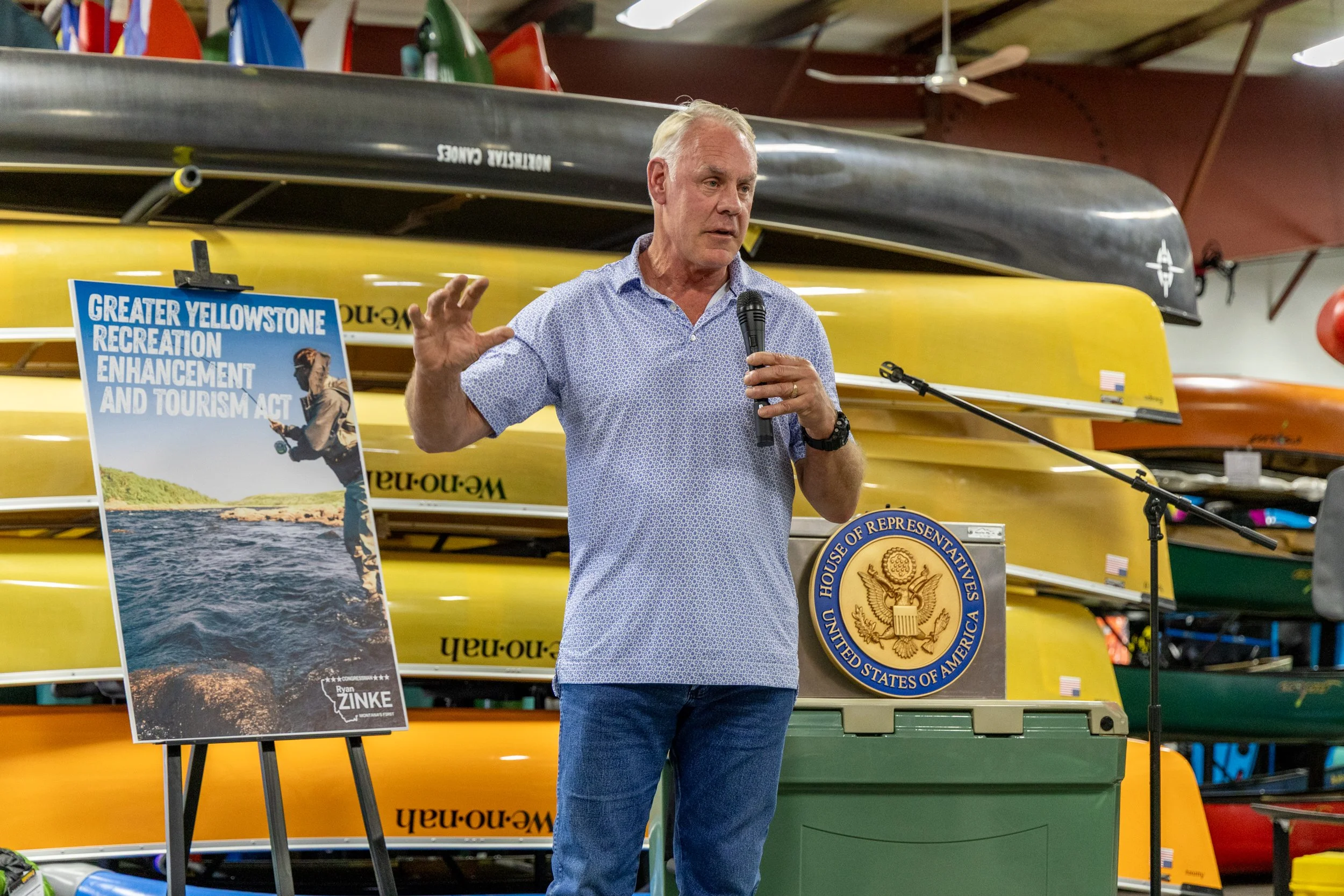

How the Greater Yellowstone Coalition Defends Wild Rivers
From advocating for Wild and Scenic River protections and conducting on-the-ground restoration projects, to ensuring the health of rivers are considered in land management planning processes, the Greater Yellowstone Coalition is dedicated to keeping Greater Yellowstone’s rivers wild and free.
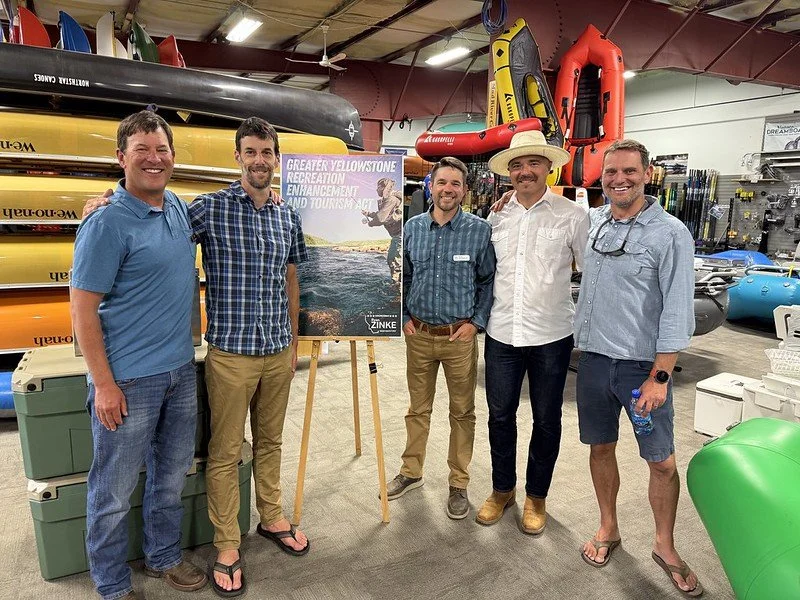
Advocating for Durable River Protections in Montana
The state of Montana is home to some of the finest rivers in the nation. Montana’s wild, undeveloped waters shape and define the landscape. From the mighty Yellowstone River to remote backcountry waters like Hellroaring Creek and West Boulder River, Montana’s storied rivers are fundamental to the ecology, economy, and identity of the state.
To protect Montana’s wild rivers, GYC advocates for durable river protections with new Wild and Scenic River protections, a classification that protects rivers with “outstanding natural, cultural, and recreational values in a free-flowing condition for the enjoyment of present and future generations.” Wild and Scenic designations currently protect more than 13,400 miles of rivers across the United States, including more than 450 miles of river segments within the Greater Yellowstone Ecosystem – primarily in northwestern Wyoming in the Snake River headwaters.
Revitalizing the Big Wind River
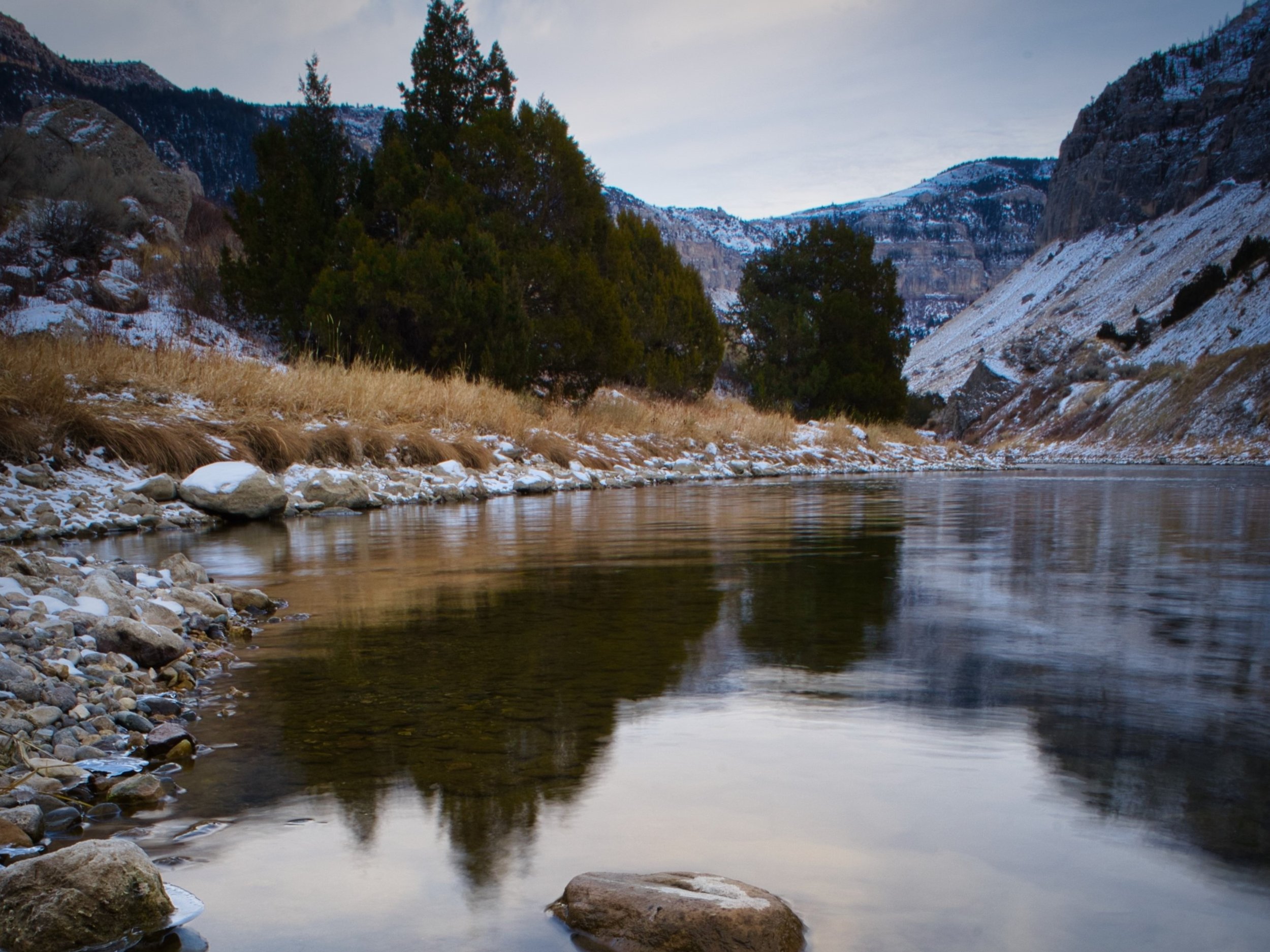
The Wind River, known locally as “the Big Wind,” flows southeast from Wyoming’s Wind River Range before crossing into the Wind River Indian Reservation. For the Eastern Shoshone and Northern Arapaho Tribes that call the reservation home, the river is a vital source of energy, healing, and cultural sustenance. However, much of its water has been diverted since the early 1920s by Diversion Dam, built by the Bureau of Reclamation to prioritize non-Tribal irrigation at the expense of Indigenous communities.
Our Tribal Program, which includes staff based in our Indigenous-led office in Fort Washakie, works with Tribal leadership, the Water and Buffalo Alliance, and other partners to restore the ecological and cultural health of the Big Wind. Efforts focus on removing Diversion Dam, restoring Tribal water rights, and implementing projects that blend Traditional Ecological Knowledge with western science. By restoring the river and prioritizing Tribal sovereignty, the work aims to create healthier, more resilient lands—bringing back fish populations, reviving riverbank habitats, increasing year-round stream flow, keeping water cold, and protecting local wildlife for future generations.
Our Wins and Progress for Wild Rivers
GYC has helped to collect thousands of endorsements for legislation that would protect sections of multiple Montana rivers with Wild and Scenic designation.
In 2018, we forever protected 20 miles of a beloved stream north of Yellowstone National Park with the East Rosebud Wild and Scenic Rivers Act.
Wyoming’s Snake River was well on its way to ground-breaking federal protection after a Senate committee approved the GYC-fueled Craig Thomas Headwaters Legacy Act. Instead of simply protecting the Snake River, this legislation confers Wild & Scenic protection on the entire watershed—387 river miles and 13 streams. The law, passed in 2008, safeguards aquatic habitat and keeps the watershed in its free-flowing state.
Join Our Community of River Advocates!