Protecting Public Lands
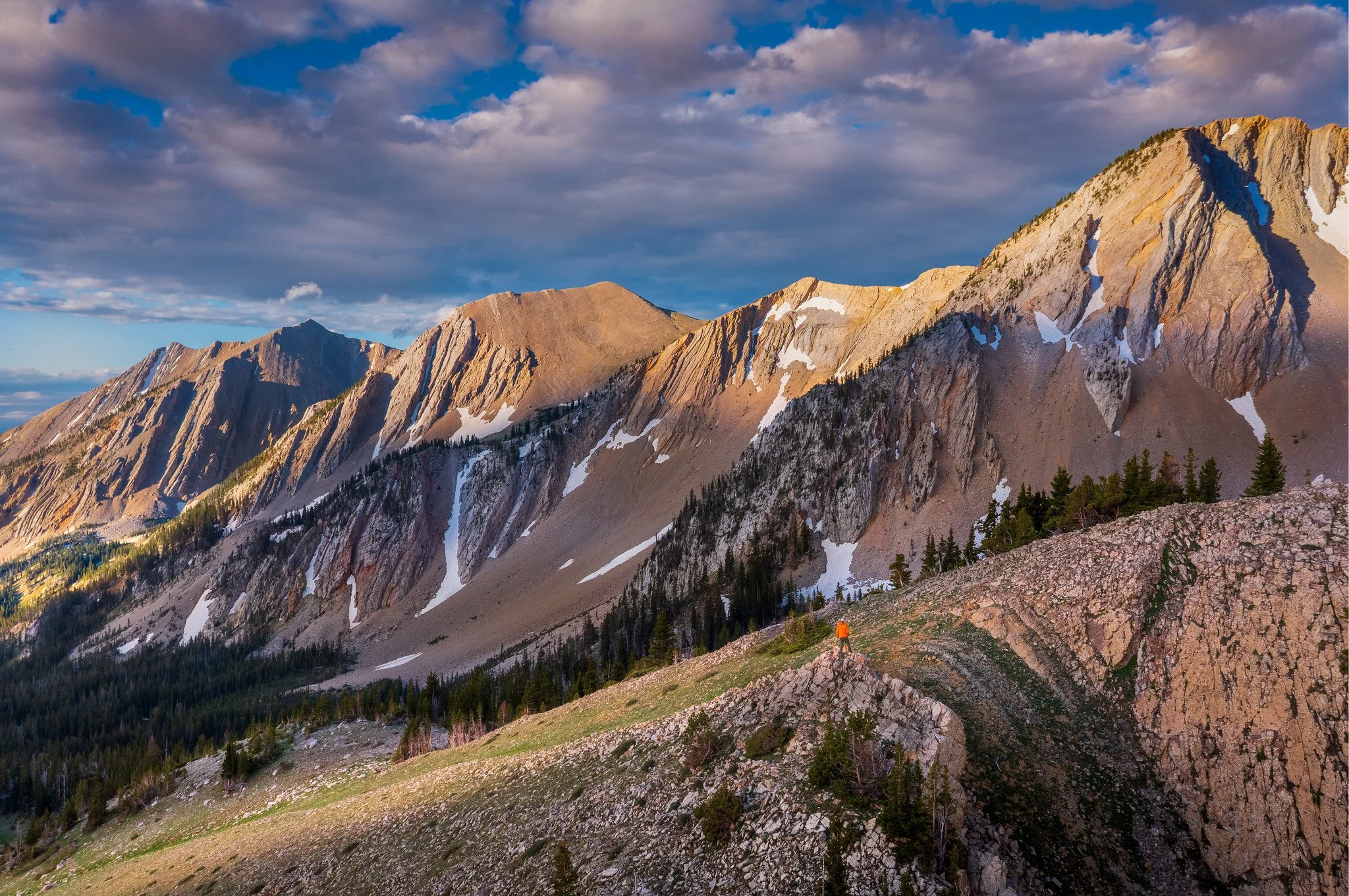
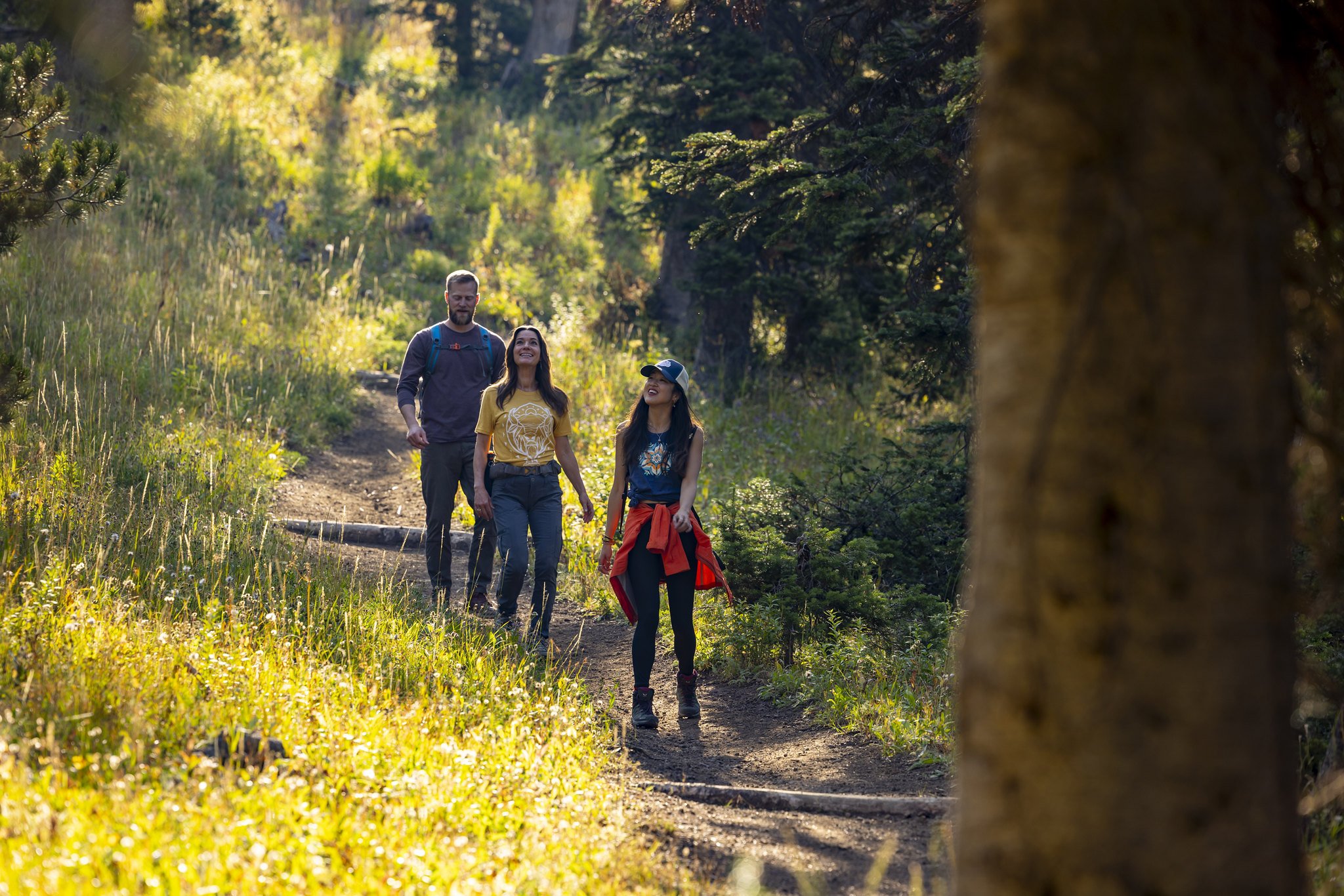
Public lands are the heart of the Greater Yellowstone Ecosystem, making up more than 70 percent of the landscape. In addition to Yellowstone and Grand Teton National Parks, the region is home to five national forests, three national wildlife refuges, and a variety of other federal and state lands. They’re different from private lands, which are owned by individuals, businesses, or organizations. Our public lands are what unite us, pump billions of dollars into Western states' economies, provide good-paying jobs for the people in your communities, and are the source of clean drinking water for millions of Americans. They connect us to the outdoors, to each other, and to what it means to be an American.
Without public lands, there would be no Greater Yellowstone.
From threats of selloffs and private development by the government and increasing pressures from expansion and development by people, to out-of-date management policies, our public lands are at risk. We want to keep the public lands of the Greater Yellowstone Ecosystem public, protected, and preserved—for this generation and the next.
The Greater Yellowstone Coalition is dedicated to ensuring our public lands continue to host high-quality wildlife habitat, clean water, and responsible access to some of the greatest recreational spaces in the country.
Our Public Lands News
How the Greater Yellowstone Coalition Protects Public Lands
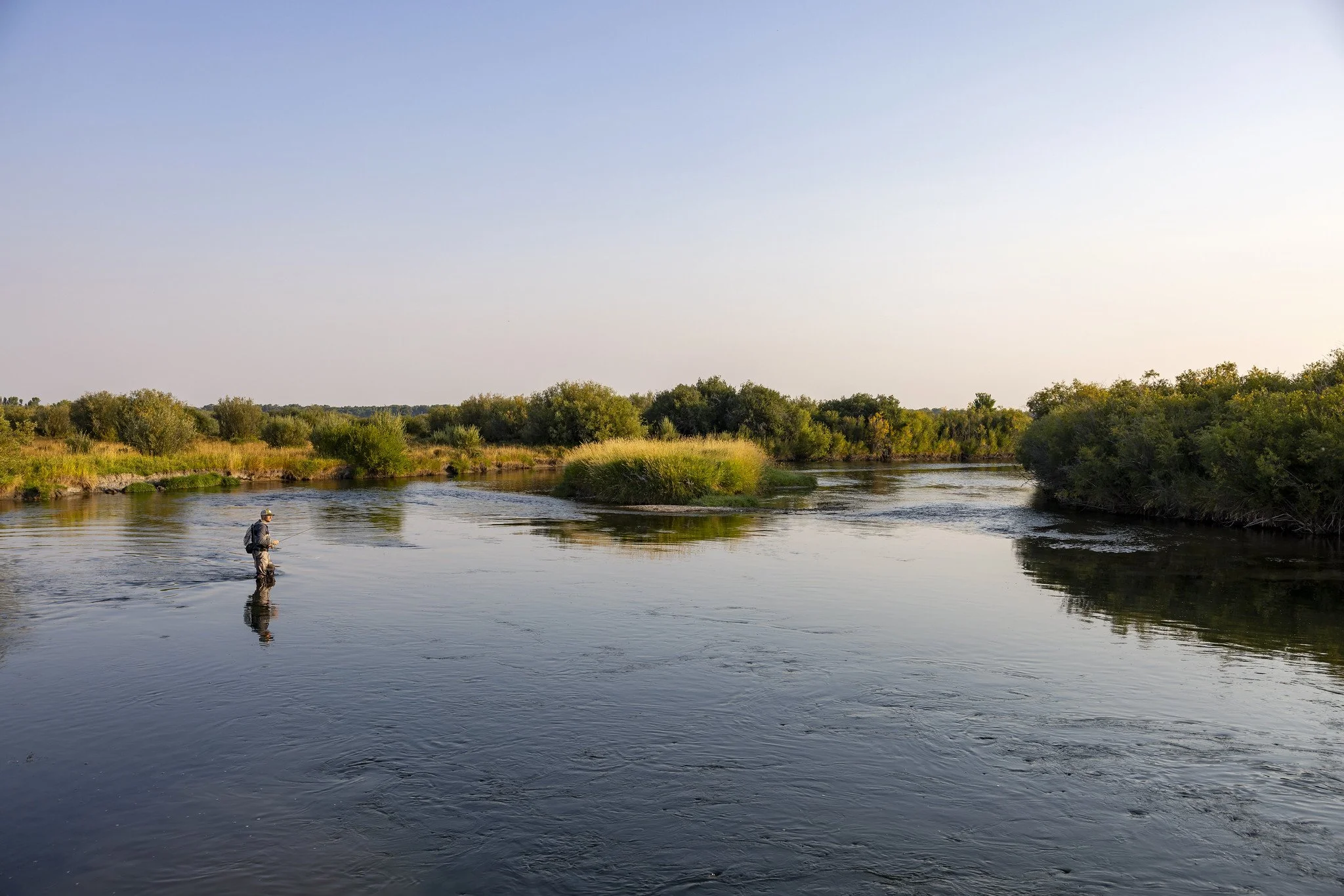
GYC engages in forest planning processes, advocates for modern and balanced forest management, and partners with diverse stakeholders so everyone has a seat at the table and a voice to be heard. We also activate our supporter base to write their elected representatives when our public lands are under attack.
Fighting Bad Public Lands Bills
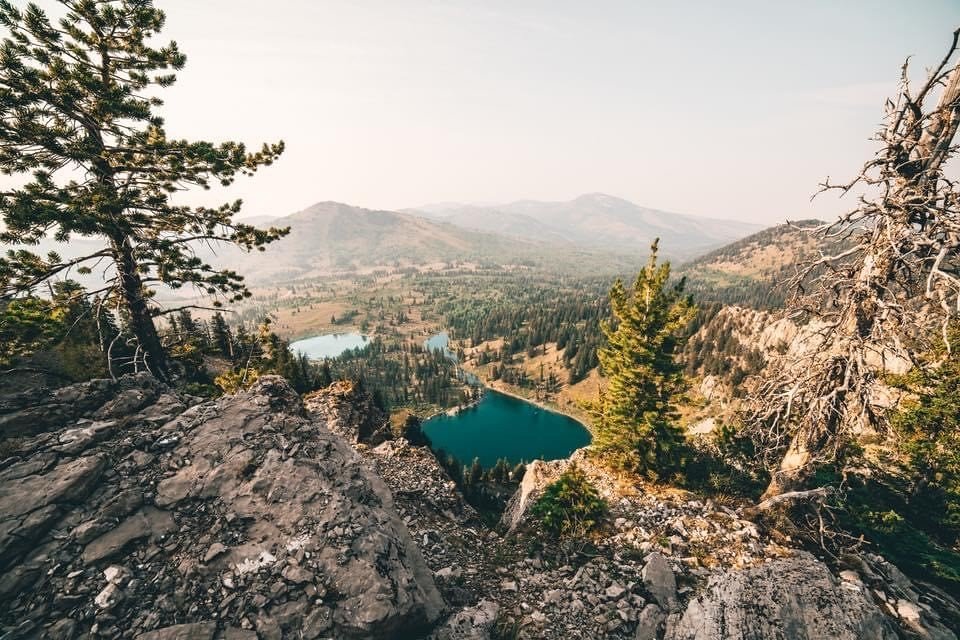
There is a growing effort to seize and privatize public lands in the Greater Yellowstone Ecosystem and beyond—through direct sale, state transfer, or budget cuts that lead to the dismantling of our national public lands. Once large pieces of our national lands are sold to the highest bidder and developed, the public will never again have access to our lands for hiking, camping, fishing, hunting, ranching, and family traditions treasured by millions of Americans. Not to mention the loss of habitat for healthy fish and wildlife populations.
Most Americans are against the selling of our public lands and there’s something we can do about it. Call or email your members of Congress and tell them you oppose any effort to privatize or transfer public lands. GYC is committed to working with elected officials to encourage their opposition any public lands sell-off.
Introducing Public Lands Conservation Legislation
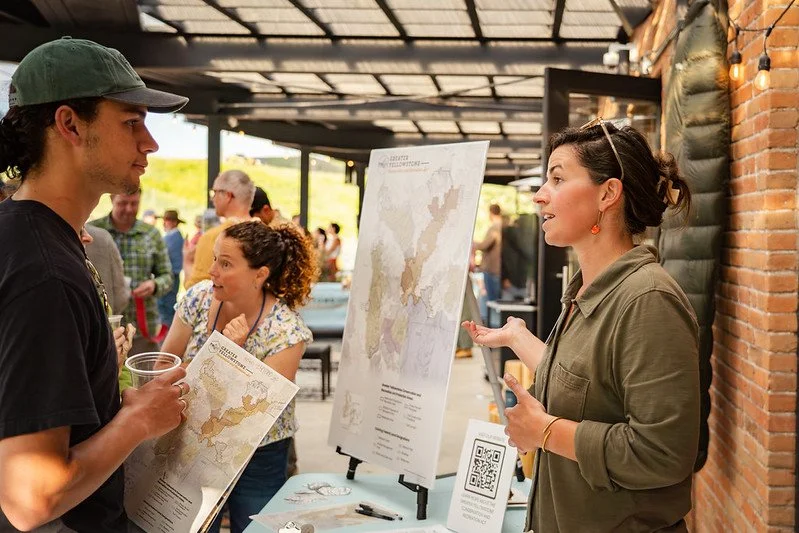
Acts of Congress provide one of the most durable and long-lasting conservation measures. When an act passes through Congress and is signed by the president to become law, it supersedes conflicting state laws, can only be challenged in court, and are difficult to repeal or amend. While the process from proposed legislation to law can take years, it’s an important tool in our conservation toolbox.
We’re currently working on supporting the introduction of the Greater Yellowstone Conservation and Recreation Act (GYCRA). GYCRA will permanently protect 250,000 acres of public lands in the Madison and Gallatin mountain ranges just north of Yellowstone National Park. The act will conserve areas for wildlife migration, protect the headwaters of the Gallatin and Yellowstone rivers, maintain existing recreation uses, and designate nearly 124,000 acres of new wilderness.
Engaging in National Forest Planning Processes
Each national forest has a comprehensive, strategic document that outlines how a forest will be managed over a specific period of time to meet environmental, economic, and social goals called a forest management plan. When the plan needs to be updated after 10-20 years, a forest plan revision takes place that relies on community input. These are incredibly important opportunities to give national forests updated management plans that ensure they remain remarkable for wildlife and people.
Over the decades, GYC has engaged in multiple forest planning processes and will continue to do so as plans need revision. Our efforts often focus on new wilderness designations, wildlife protections, better management of popular recreation areas, and climate resiliency. The Bridger-Teton National Forest is due for revision, so make sure to sign up for our emails to receive updates on when to take action.
Our Wins and Progress for Public Lands
In 2025, after intense bipartisan backlash and thousands of people taking action, Utah Senator Mike Lee withdrew his American public land sell-off plan, which would have sold and privatized millions of acres of public land across 11 western states. Thanks to our GYC advocates and people across the country, we made it clear that our public lands are not, and never will be, for sale.
In 2022, the Custer Gallatin National Forest released its new modern management plan, which included many conservation and recreation recommendations from GYC and the Gallatin Forest Partnership. More than 2,200 GYC advocates sent comments to the U.S. Forest Service in support of our recommendations for new wilderness, new Key Linkage Areas to protect wildlife movement and migration, increased river protections, and continued recreational access.
When a gold mine was proposed in Montana’s Paradise Valley, GYC and partners built up local opposition and engaged Montana’s Congressmen to help stop the mine. The opposition to the mine was so widespread and unanimous that two Secretaries of the Interior enacted mineral withdrawals to buy time for a permanent solution. In 2019, the passage of the Yellowstone Gateway Protection Act, introduced by Montana Senator Jon Tester, forever protected more than 30,000 acres of public land from mining.
When the Shoshone National Forest needed a new management plan, GYC and its supporters advocated for keeping this incredible landscape healthy and wild. In 2015, after years of hard work, the new management plan ensured more than 900,000 acres were off limits to oil and gas development and safeguarded crucial wildlife habitat and backcountry area from excessive motorized use.
Become A Defender of Public Lands! Sign Up to Receive Alerts to Take Action