Supporting Climate Science
Greater Yellowstone’s cold streams, clear lakes, and wild rivers are the lifeblood of the region, supporting fish, wildlife, and local communities. Climate change and development are altering the conditions that have sustained this ecosystem for centuries. Rising temperatures, reduced snowfall, and earlier peak streamflow threaten native fish, agricultural operations, and outdoor recreation. Extreme weather events like drought and flooding further stress water resources, impacting people and wildlife. Without action, these changes will have lasting consequences on the lands, waters, and livelihoods that define Greater Yellowstone.
The Greater Yellowstone Coalition is dedicated to supporting climate research and implementing on-the-ground conservation and restoration projects to ensure a resilient future for Greater Yellowstone.
Our Climate Science News


How the Greater Yellowstone Coalition Supports Climate Science Work
Adapting to climate change requires intentional, science-backed solutions. To develop effective strategies, we work with researchers, government agencies, and local communities to study the unique climate challenges facing Greater Yellowstone. Our efforts focus on using the best available science to inform conservation actions that protect water, wildlife, and lands across the region.
Taking a Deeper Look with the Greater Yellowstone Climate Assessment
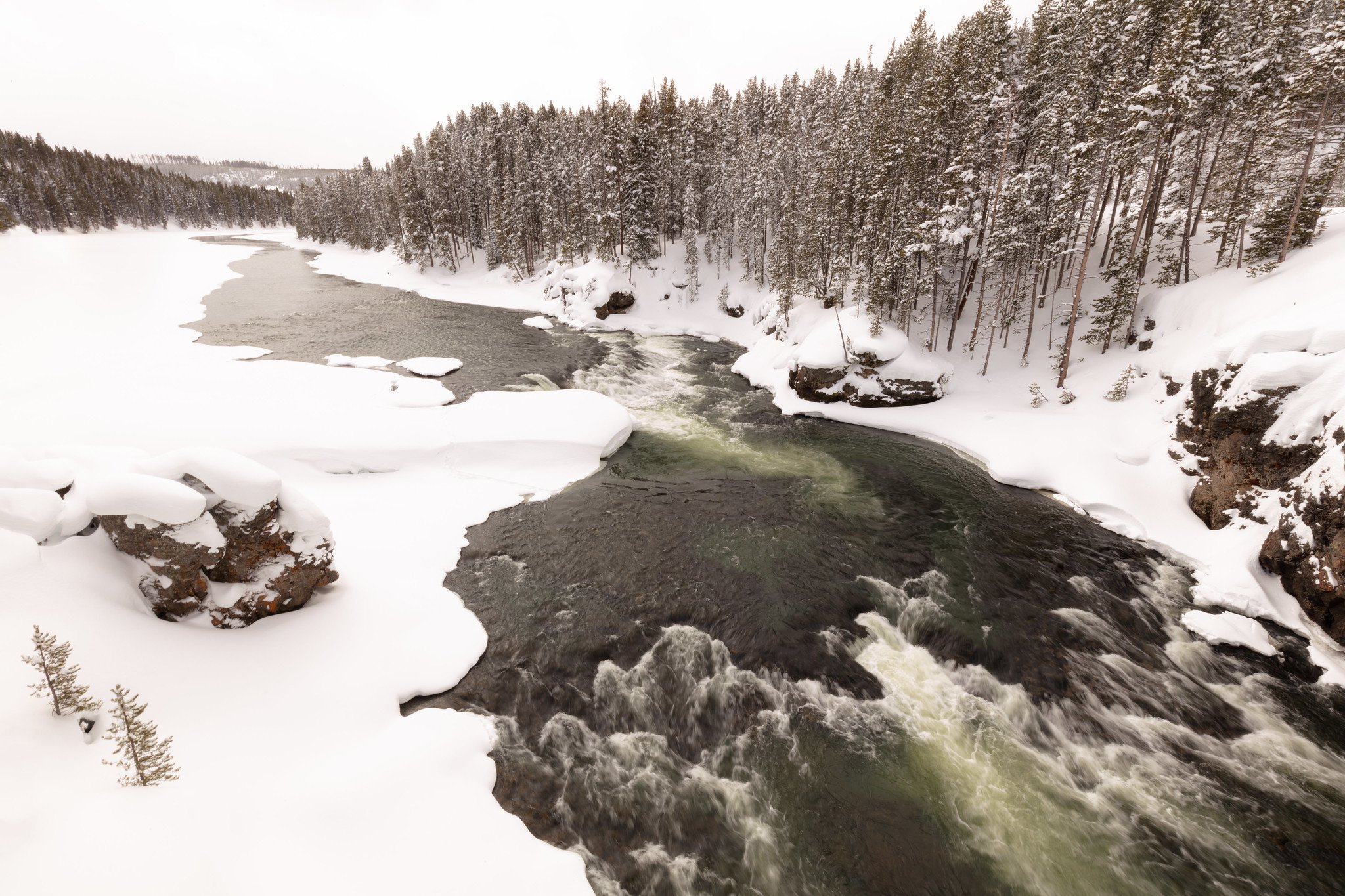
The 2021 Greater Yellowstone Climate Assessment is a comprehensive exploration of climate change across Greater Yellowstone's rivers, lakes, and streams from ancient history through the recent past to future projections completed in collaboration with the U.S. Geological Survey, Montana State University, and University of Wyoming. The assessment found that since 1950, regional temperatures have risen, lengthening the growing season, reducing snowfall, and shifting peak streamflow earlier—and that these trends are expected to intensify over the next 80 years.
We apply the findings of the assessment to protect and restore critical landscapes. This includes restoration projects that keep water cold, clean, and connected, as well as helping native fish populations adapt to changing conditions.

Restoring Beavers as Ecosystem Engineers
Beavers are a keystone species with an outsized impact on their environment — the natural behaviors of these industrious rodents benefit a wide range of plant and wildlife species across Greater Yellowstone and have proven effective for reviving wetlands. As a member of the Montana Beaver Working Group, GYC advocates for Montana to approve the relocation of beavers for the creation and maintenance of wetland habitat along the rivers, streams, and lakes. In Wyoming, where beaver relocation is already legal, GYC works to incorporate beavers into restoration projects.
Tune In and Learn About the Crucial Role of Snowpack in the Greater Yellowstone Ecosystem with Dr. Scott Hotaling
Join Our Community of Advocates