Advocating for Wolves
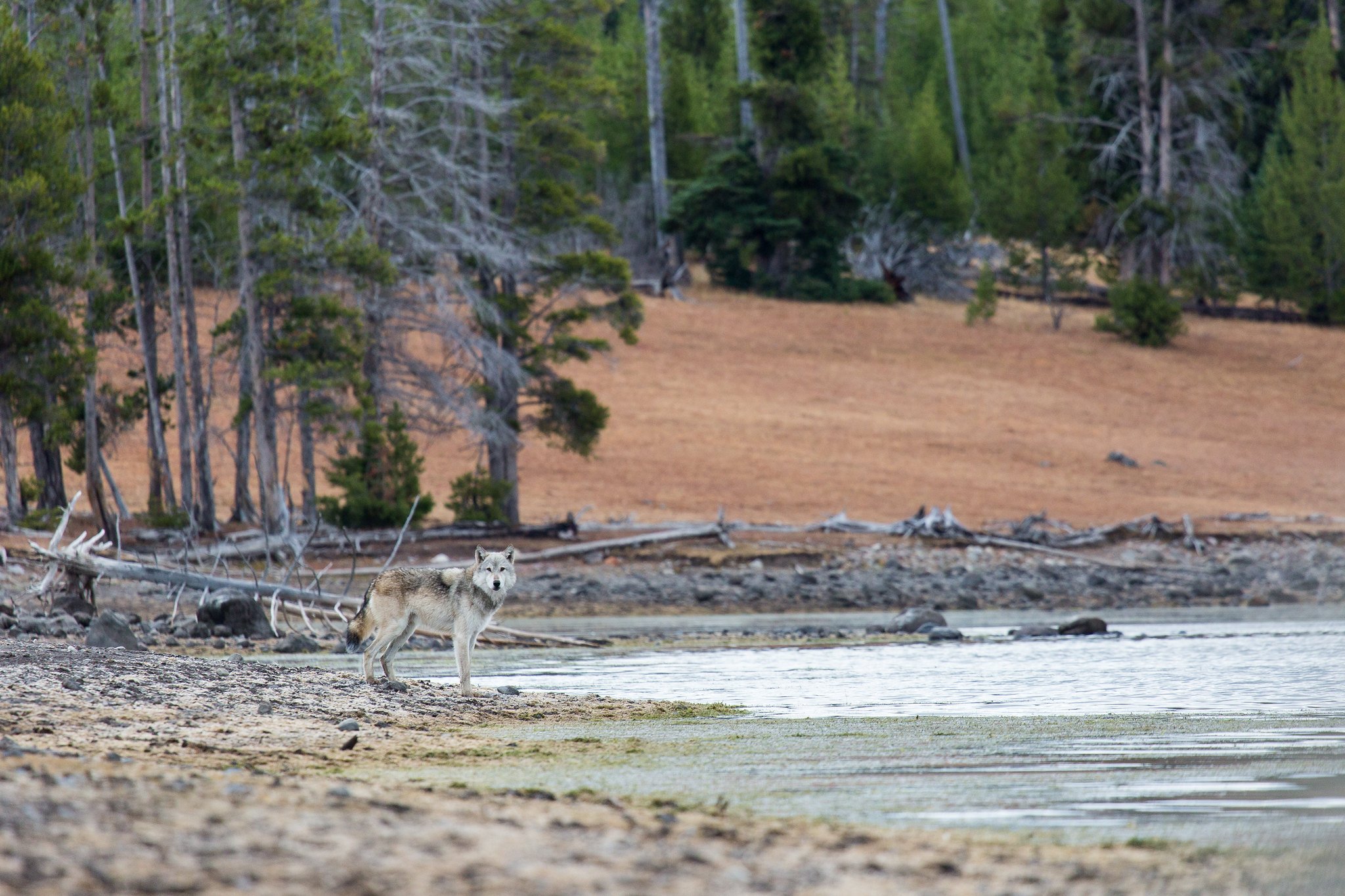
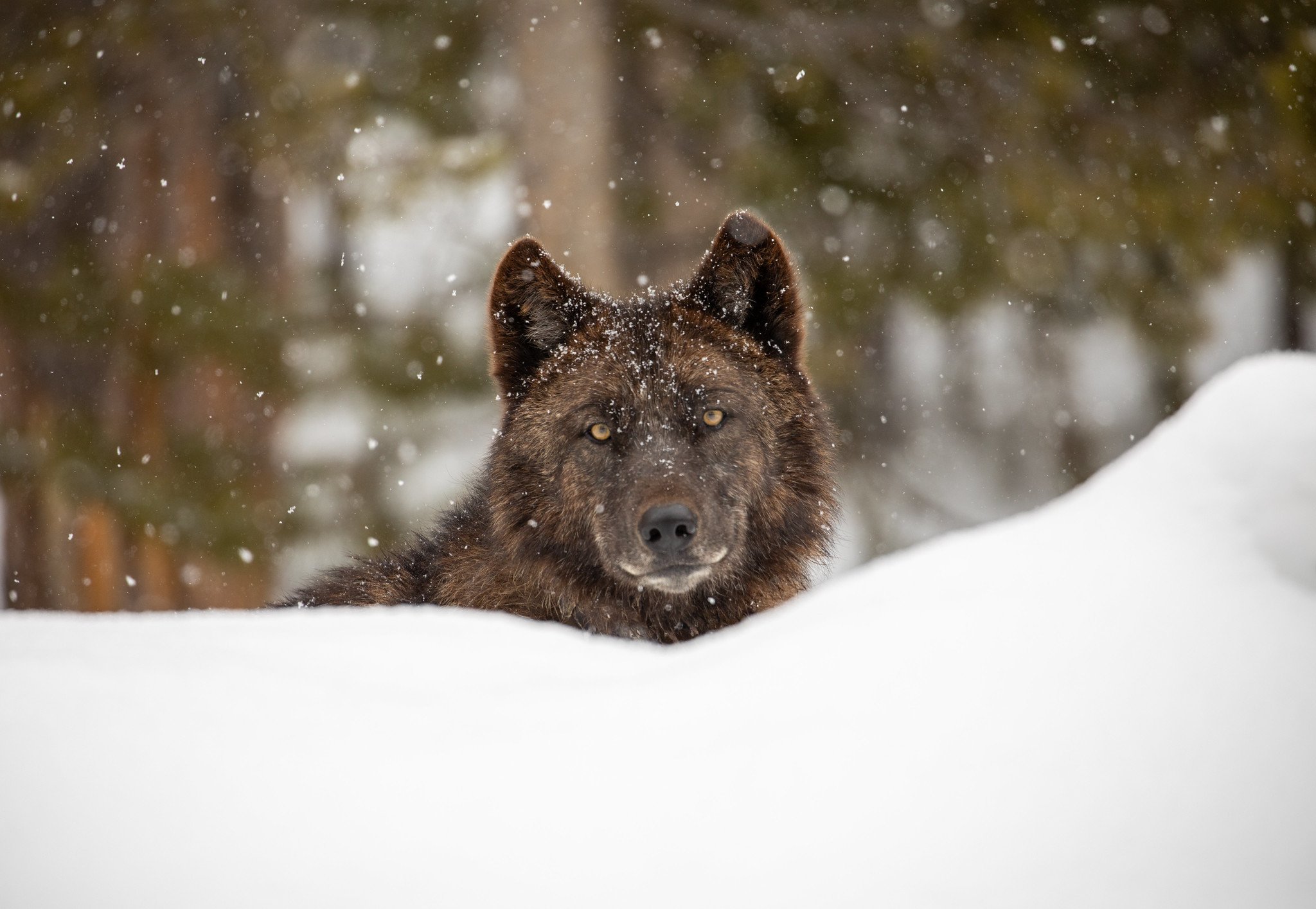
For many people, seeing a wolf in Greater Yellowstone is the pinnacle of wildlife-watching. With intense eyes and hues of fur ranging from smoky grey to inky black, these canids have captured hearts, inspired conservationists, and jump-started local tourism economies.
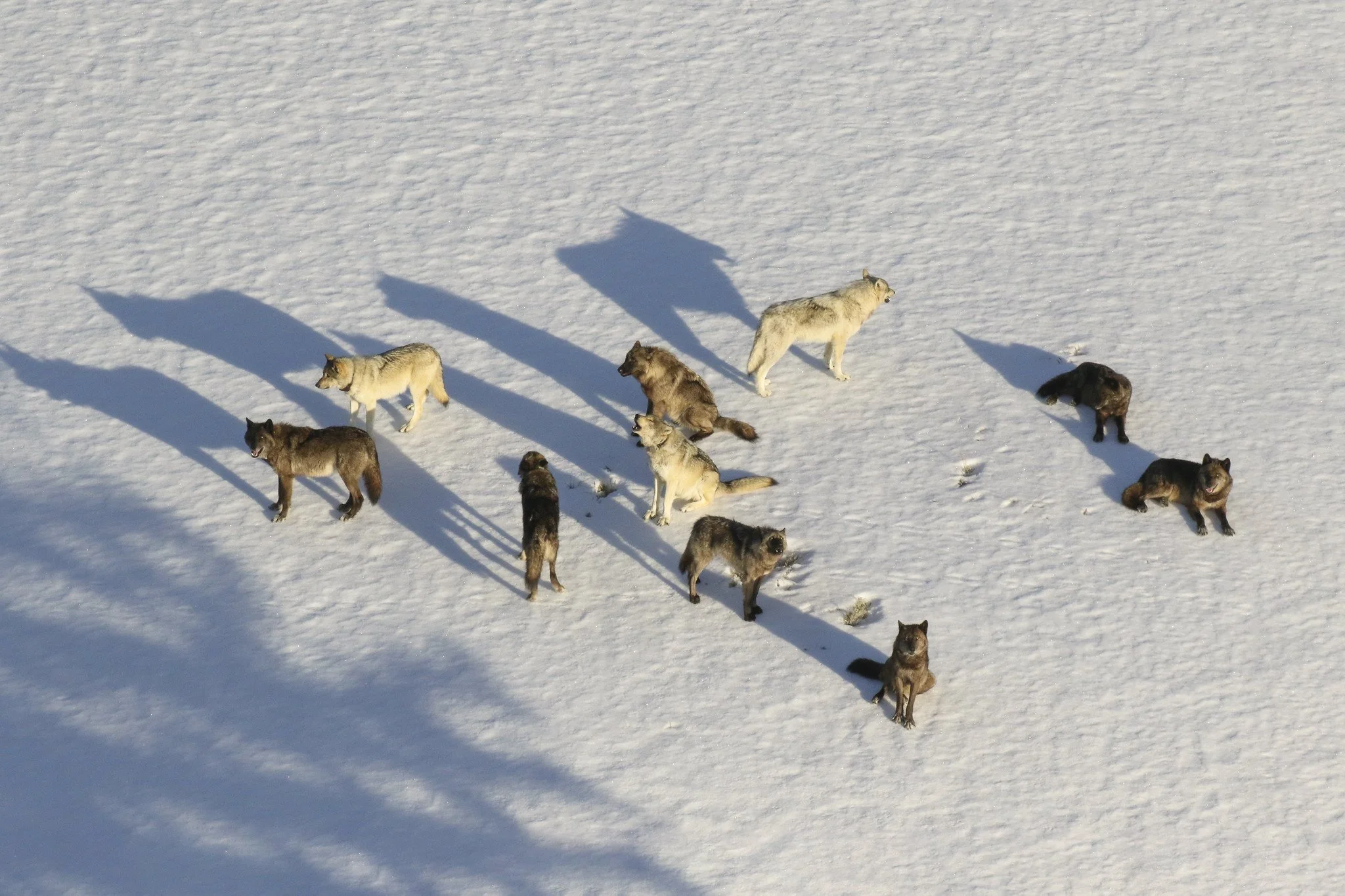
By the early 20th century, aggressive predator control had entirely eliminated wolves from the Greater Yellowstone Ecosystem. In one of the most iconic wildlife restoration success stories, Yellowstone National Park and Central Idaho wolf reintroductions brought this keystone species back to the Northern Rockies in the mid 1990s. Montana wolves were delisted from the Endangered Species Act in 2011 after significant public debate regarding adequate recovery. As wolf populations have recovered and rebounded, management of the species has been riddled with controversy and conflict.
The Greater Yellowstone Coalition is committed to working with diverse stakeholders to find innovative solutions that ensure the long-term stability of Greater Yellowstone’s wolf population.
Our Wolf News

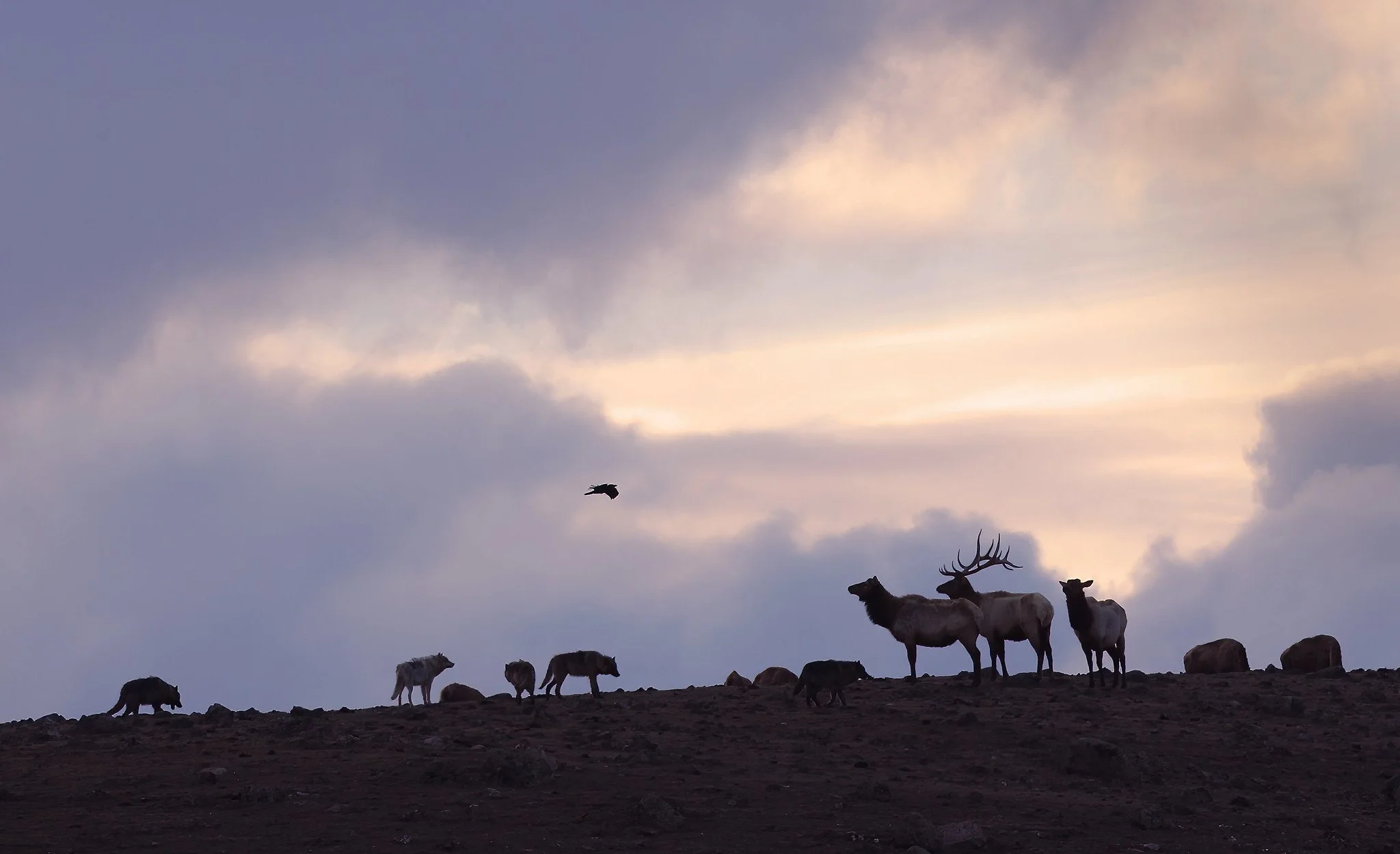
How the Greater Yellowstone Coalition Advocates for Wolves
The Greater Yellowstone Coalition supported wolf reintroduction in the mid-1990s, as well as subsequent recovery efforts. Now, we collaborate with stakeholders across the ecosystem to find solutions that ensure the long-term stability of Greater Yellowstone’s wolf population. Our team is committed to advocating for low hunting quotas north of Yellowstone, science-based, ethical wolf management driven by wildlife professionals rather than politicians and working with all people to successfully live alongside wolves and protect livelihoods.
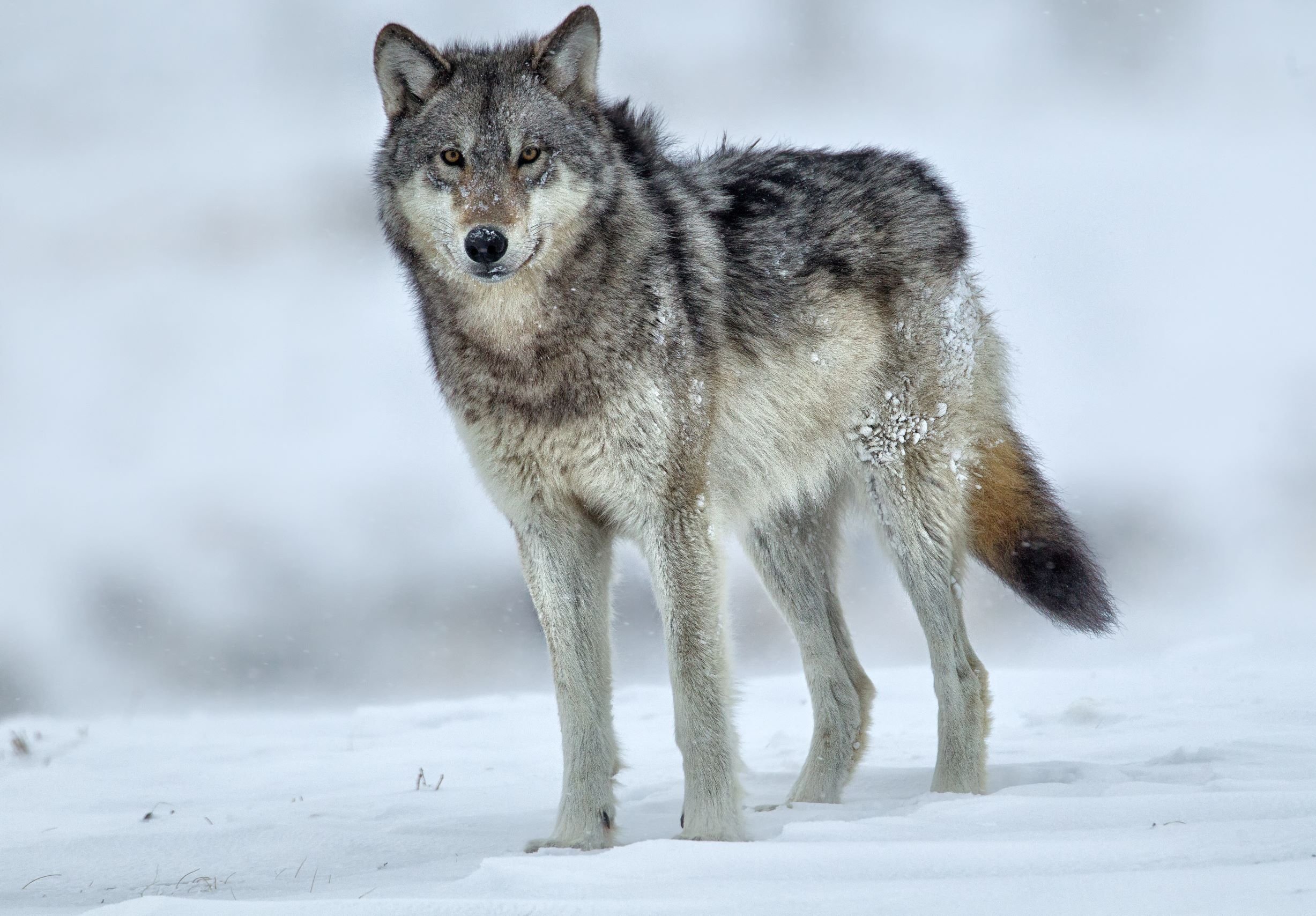
Advocating for Low Hunting Quotas on the Northern Boundary of Yellowstone
Several years ago, an unlimited hunt of wolves in the management units bordering the northern boundary of Yellowstone National Park resulted in an outsized negative impact on park wolves. We teamed up with the Wild Livelihoods Business Coalition, made up of members who rely on the income wolf-watching and other wildlife-oriented tourism brings to the region, to complete a study on the importance of wolves and other wildlife to the local economy. Our team and supporters also advocated for a reinstatement of low hunting quotas, and continue to do so on a yearly basis. More broadly, we work with partners developed through this advocacy to improve science-based and ethical wolf management practices in the region.
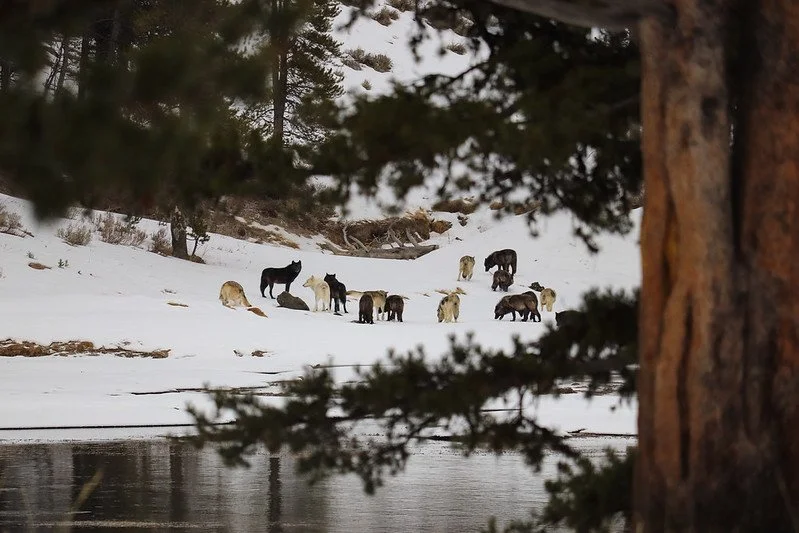
Monitoring State Legislative Sessions to Oppose Bad Wolf Bills
During state legislative sessions, our wildlife advocates keep a careful eye on bills under consideration. If a bill proposes wildlife management actions that are non-scientific, do not support the North American Model of Wildlife Conservation, or undermine protections for a viable Greater Yellowstone wolf population, we engage in tactics to try to stop the bill from becoming law. This includes providing testimony in hearings, coordinating with partners on strategies and outreach to decision-makers, and activating our Greater Yellowstone base of advocates to reach out to their representatives.

Collaborating with Ranchers to Reduce Conflicts and Promote Conflict Prevention
When we engage the wide range of people who care about this ecosystem, we can create groundbreaking solutions to conflict. Since ranching operations can be negatively impacted by wolf depredations on livestock and guard dogs, we invest in on-the-ground solutions like range riding that help reduce conflict. Strategies like these keep wolves out of trouble and strengthen the ability of people to successfully make a living on shared lands.
Our Wins and Progress for Wolves
The Greater Yellowstone Coalition supported wolf reintroduction in 1995, as well as subsequent recovery efforts.
One effective way to mitigate conflicts between Greater Yellowstone wildlife and livestock is to compensate willing ranchers for their public-land grazing allotments, or their stewardship of wildlife resources on grazing allotments. GYC and partners have participated in numerous grazing allotment sales and agreements for integration of additional conservation measures into grazing management over the decades, preserving over 1 million acres of crucial wildlife habitat for grizzly bears, wolves, and more.
In 2023, over 2,000 GYC advocates nationwide commented on the Montana Fish, Wildlife & Parks’ new draft Montana Gray Wolf Conservation and Management Plan and corresponding draft Environmental Impact Statement.
In 2025, nearly 900 Montanans spoke up for wolves during the Montana Legislative Session and helped defeat three bills that aimed to cut the state’s wolf population in half and extend the hunting season.
Learn More About Yellowstone’s Wolves with Kira Cassidy on Our Podcast