Blog and Stories
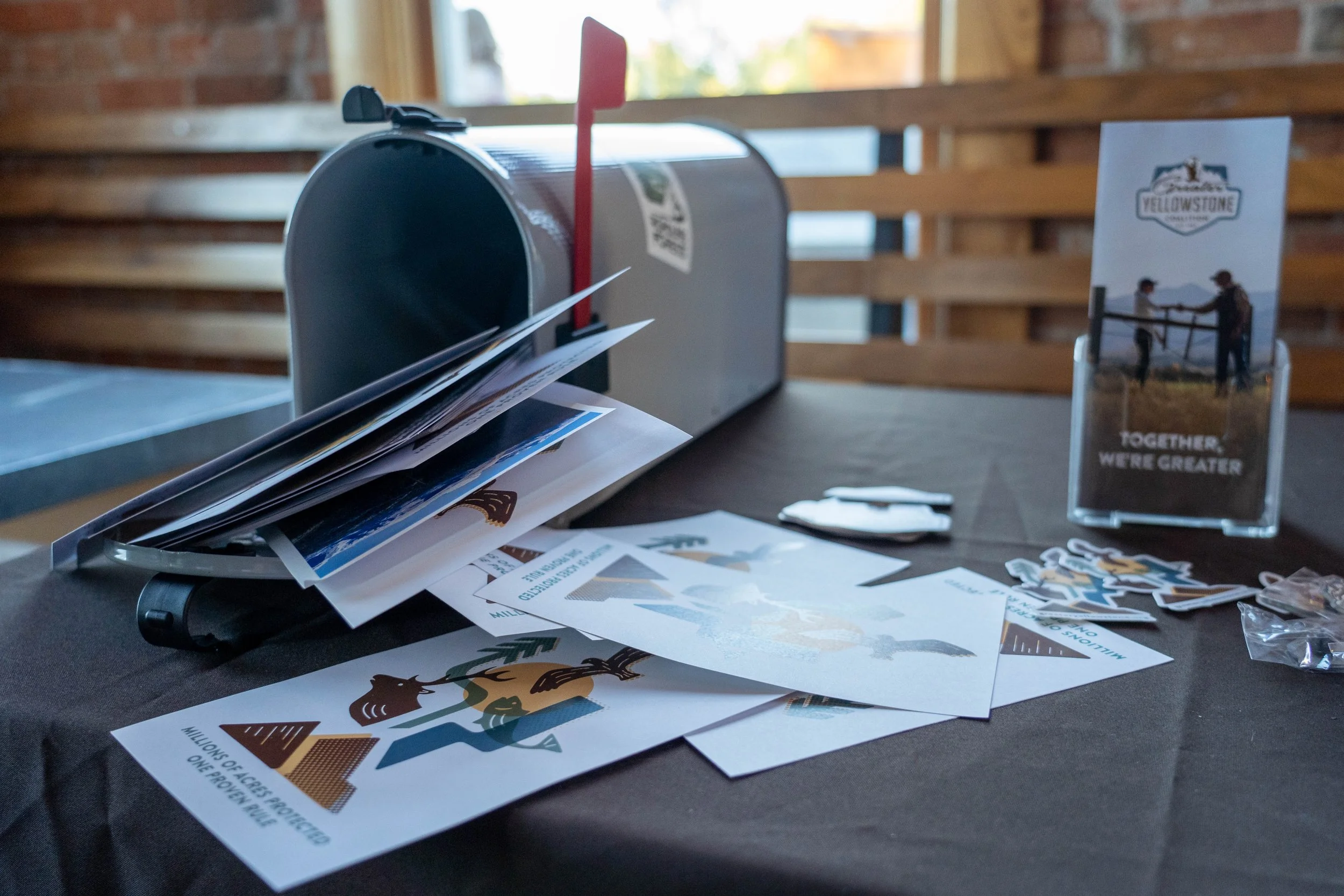
GYC Supporters Send 31,500 Comments to USDA in Support of the Roadless Rule
In just 45 days, Greater Yellowstone Coalition advocates sent 31,561 public comments from all 50 states urging the U.S. Department of Agriculture to keep the Roadless Area Conservation Rule.
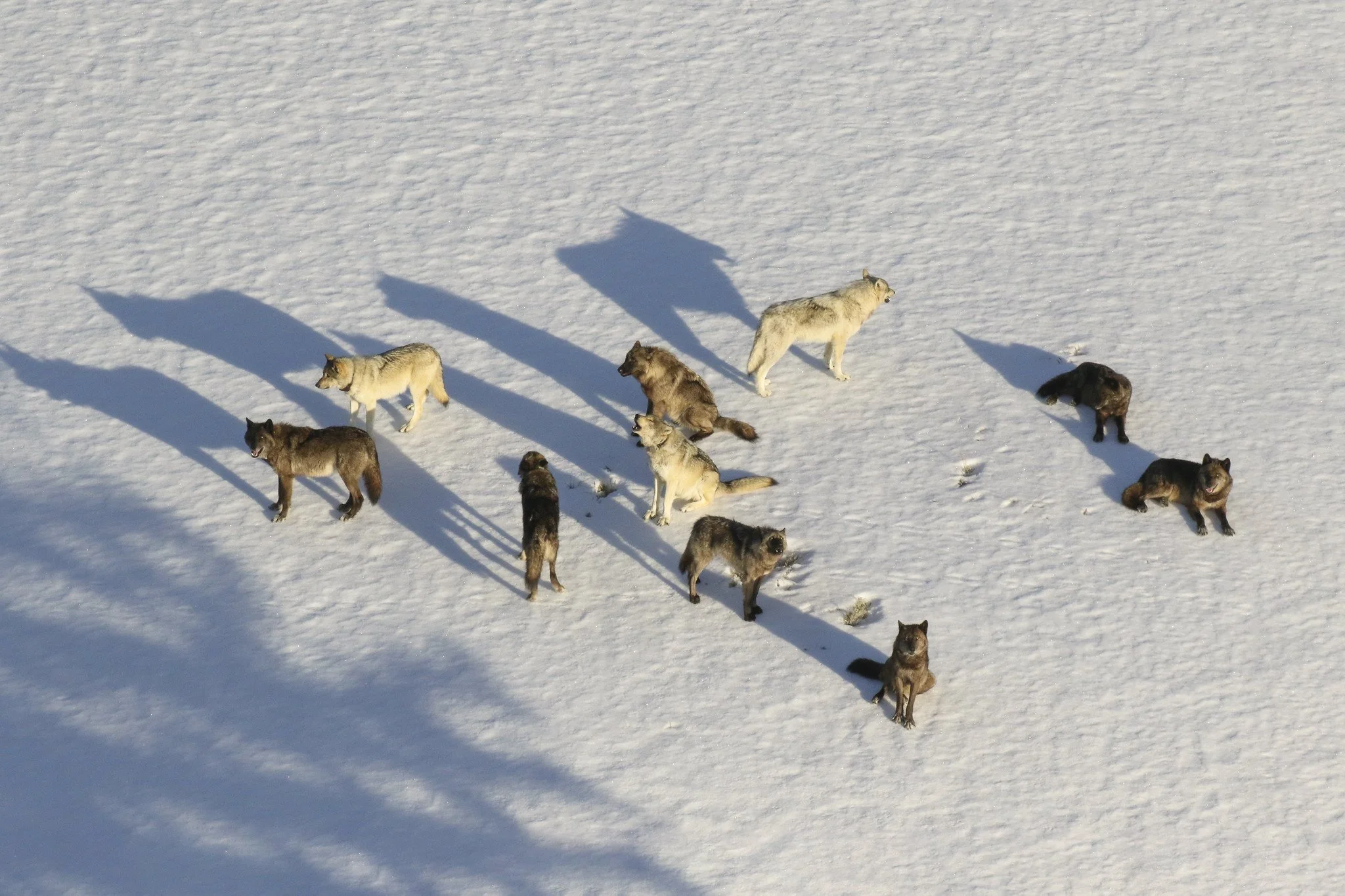
Montana Wolf Hunting and Trapping Regulations Move in the Right Direction in Response to Significant Population Decline
Last month, the Montana Fish and Wildlife Commission reduced the overall number of wolves that can be hunted and trapped in the state in response to new information indicating a significant statewide population decline. Alongside a return to regional management, lower quotas in Wolf Management Units 313 and 316, and a reduction in the number of wolves an individual hunter can take, these changes marked a step in the right direction for the 2026-2027 Montana wolf hunting and trapping season.
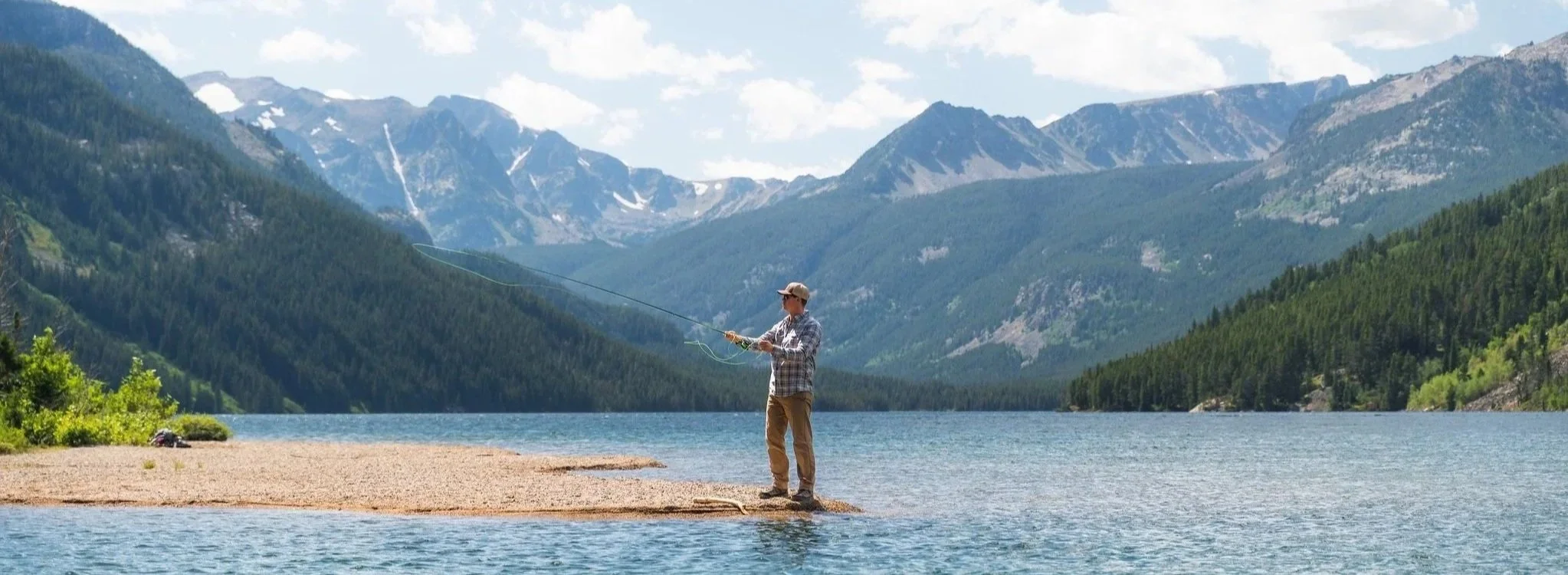
The Roadless Rule Protects More Than Wild Places
Check out GYC Executive Director Scott Christensen’s column on the USDA elimination of the Roadless Area Conservation Rule.
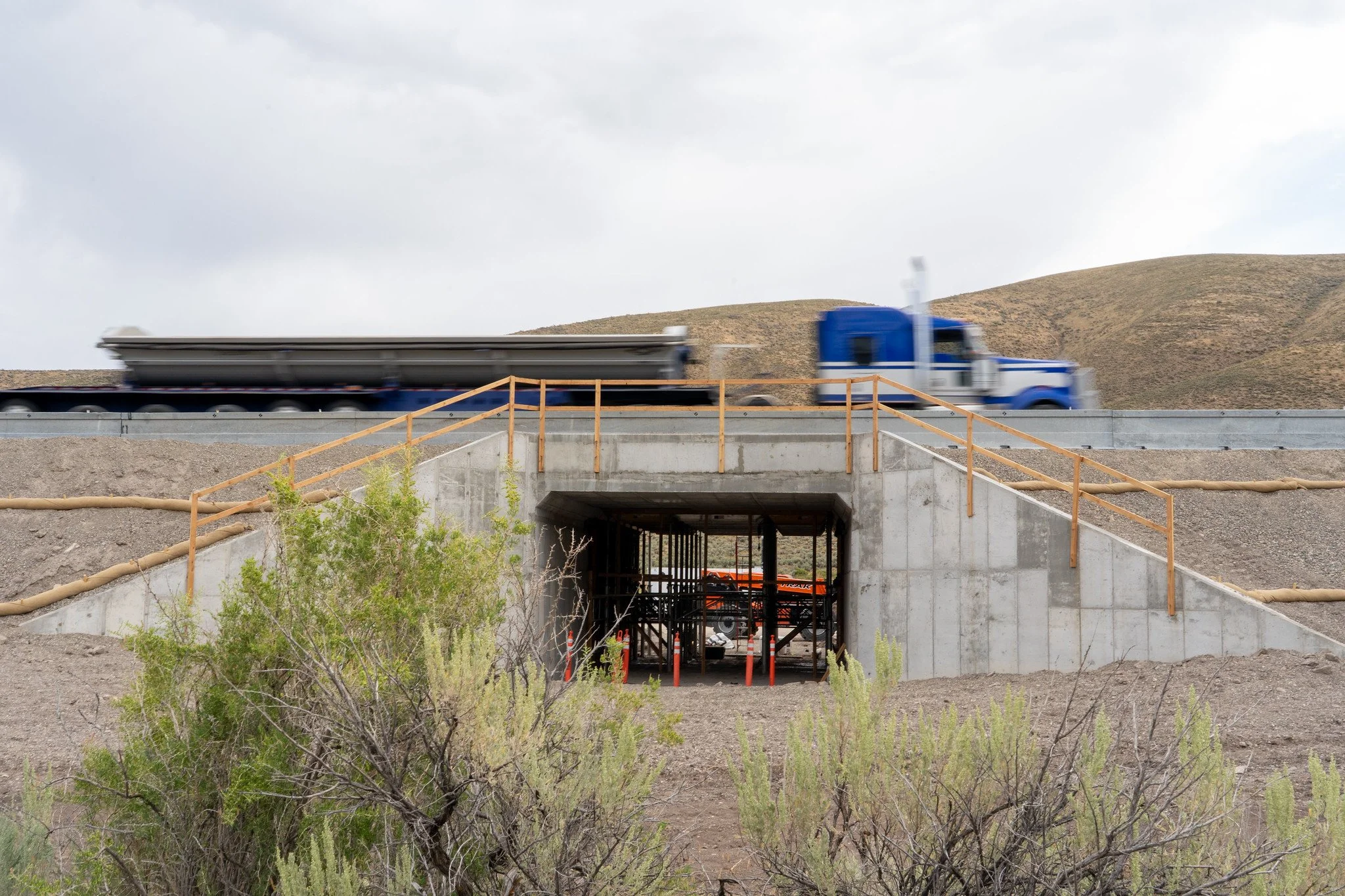
New Wildlife Crossing Nears Completion in Southeast Idaho, Keeping People and Wildlife Safe
Construction of three wildlife underpasses on U.S. Highway 30 south of Montpelier will be completed this fall, improving safety for people while protecting migrating deer and other wildlife.
Bear Lake County Commissioner Wynn Olsen, the Greater Yellowstone Coalition, the Idaho Conservation League, the Idaho Department of Fish and Game, and the Idaho Transportation Department on Tuesday hosted staff from the offices of Sen. Mike Crapo, Sen. Jim Risch, Rep. Mike Simpson, and other regional decision-makers to tour the project to demonstrate the importance of wildlife crossings to public safety and wildlife migrations on Idaho roads.
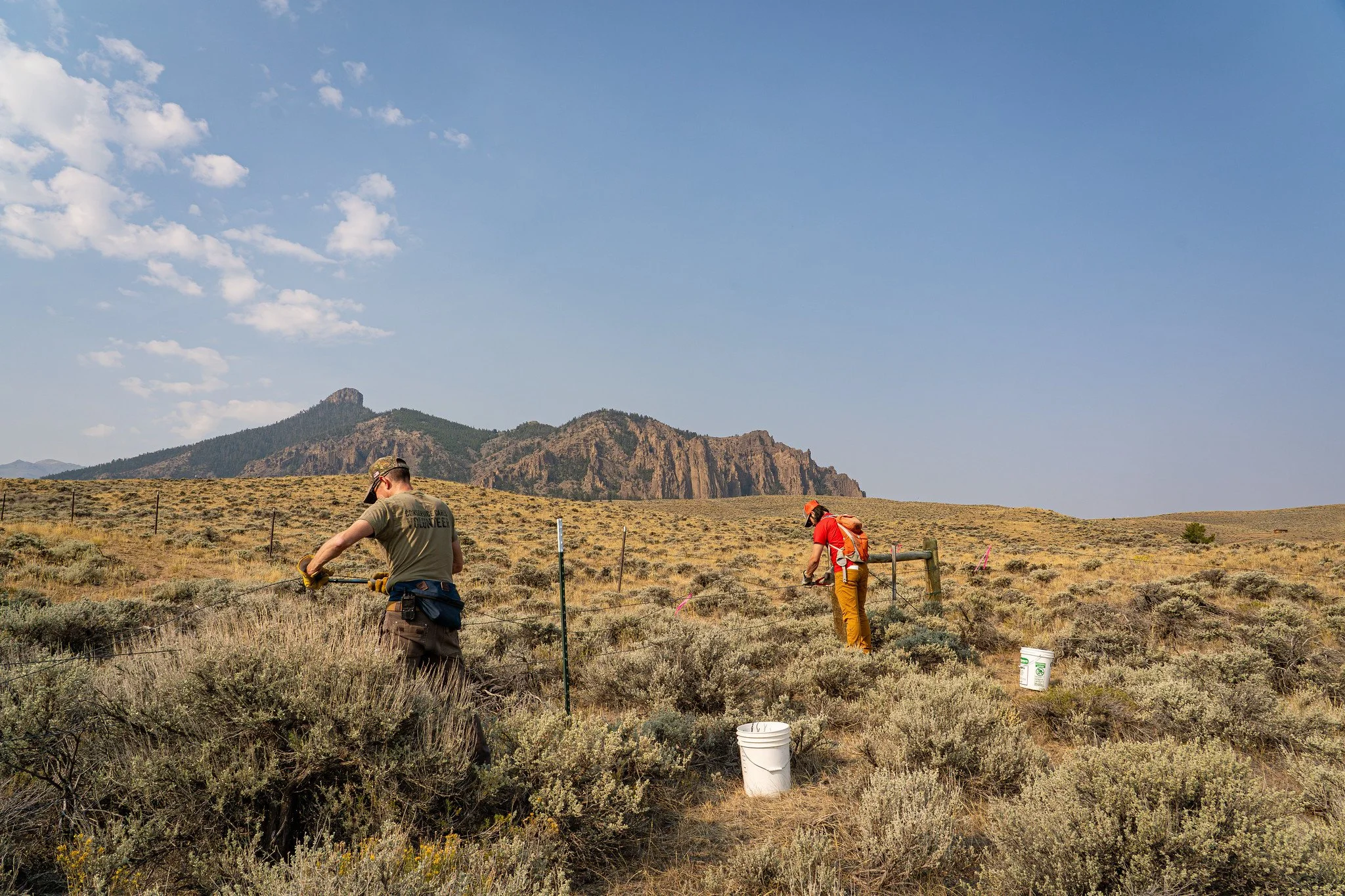
A Day in the Wyoming Field: Preserving Habitat Connectivity and Migration Routes by Removing Fences
On a smoky day in August, more than 20 volunteers removed 1.82 miles of barbed wire fencing outside of Cody, Wyoming. By removing or modifying fencing in the Greater Yellowstone Ecosystem, we’re making it easier for wildlife to move and migrate across the landscape.
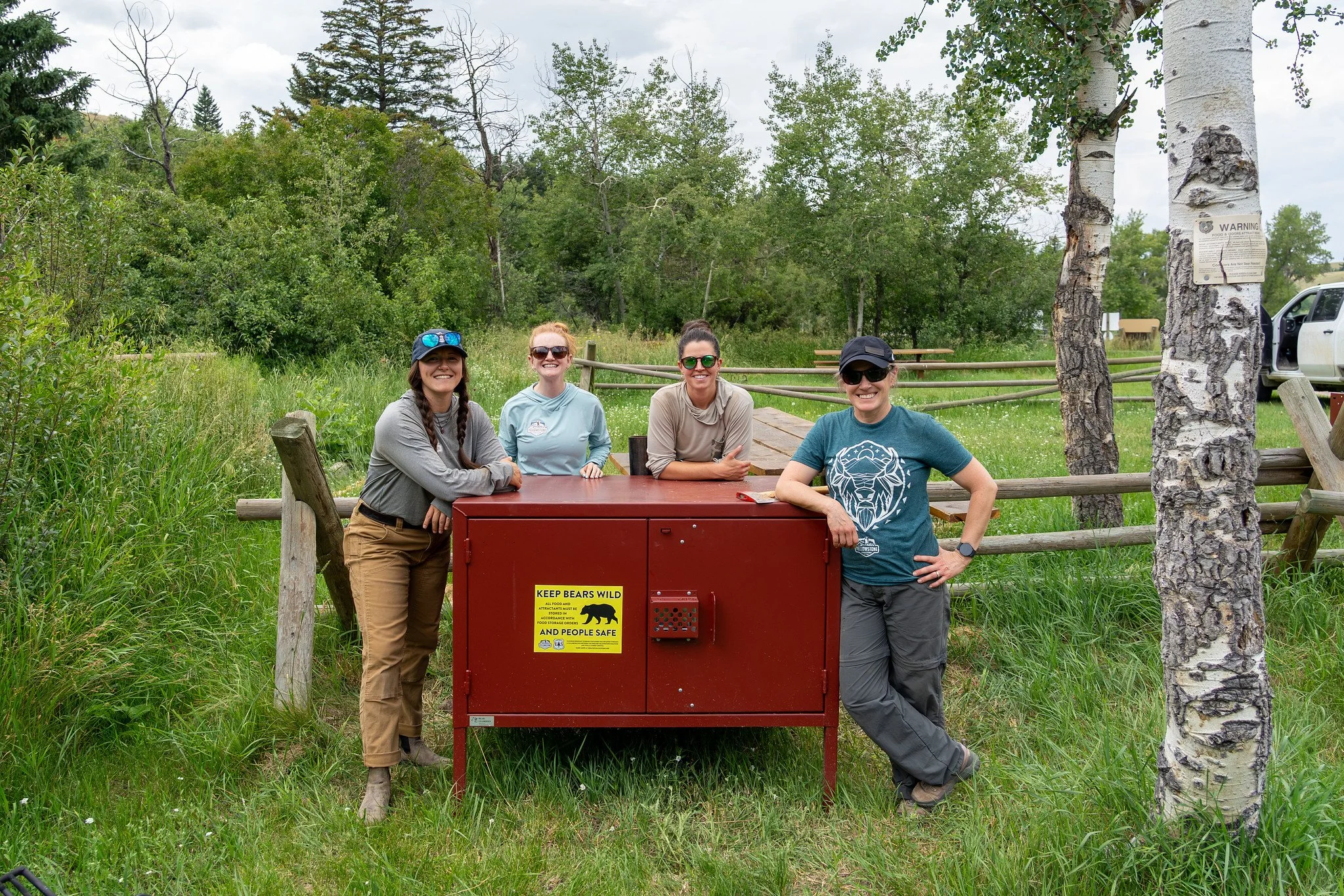
Campsite Bear Bins Keep People Safe and Bears Wild
Five metal storage containers were installed at the Bear Creek Campground in July, completing the deployment of 39 bear-proof containers that were delivered to the Beaverhead-Deerlodge National Forest in 2024 as part of a partnership between the Greater Yellowstone Coalition and the U.S. Forest Service to keep people safe and bears wild.
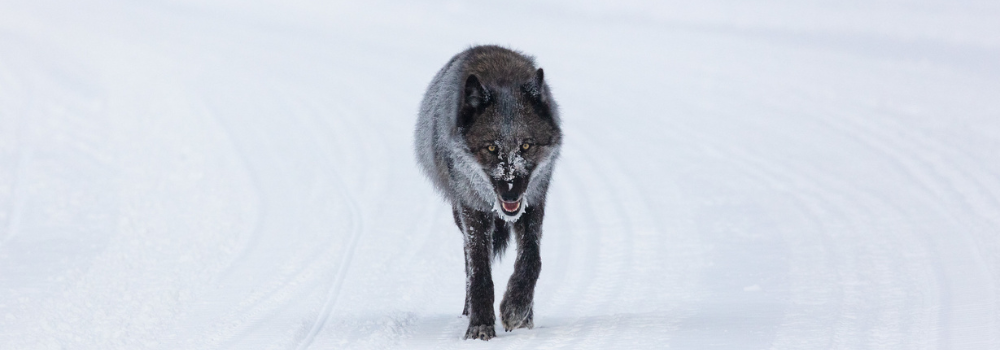
Montanans: Tell the Montana Fish and Wildlife Commission to Take a Conservative Approach to Wolf Management
Tell the Montana Fish and Wildlife Commission: set cautious, science-based wolf hunting and trapping regulations that protect Montana’s wolves for the long term.
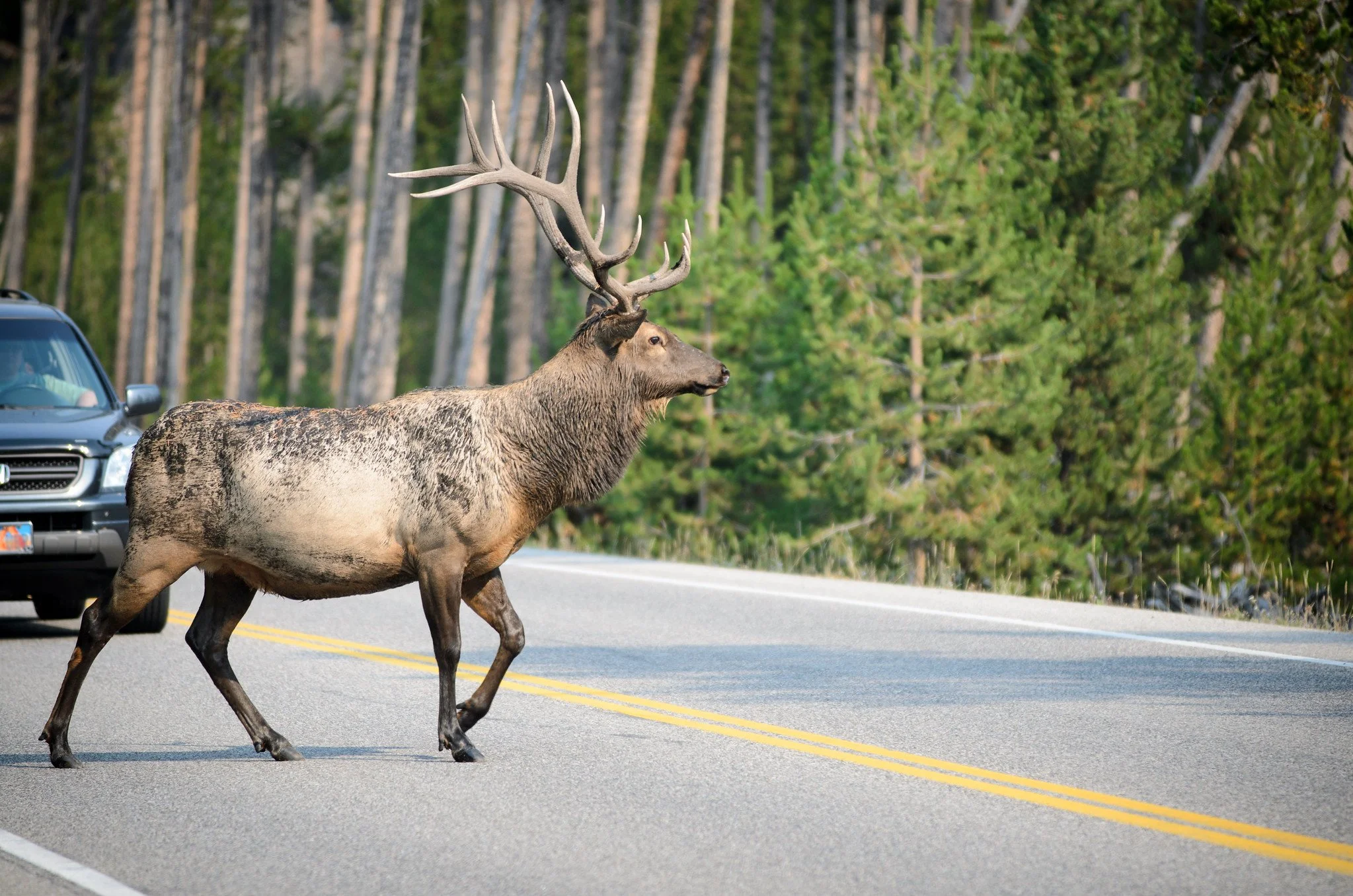
Laying the Groundwork for Wildlife Crossings in Eastern Idaho
For years, GYC has advocated for infrastructure on US 20 in Idaho to mitigate wildlife-vehicle collisions and connect fragmented habitat, and a new report highlights the importance of continuing this work. Along the 45-mile stretch from Ashton to the state line, three other sections also landed among the priorities, demonstrating the need to protect this entire corridor.
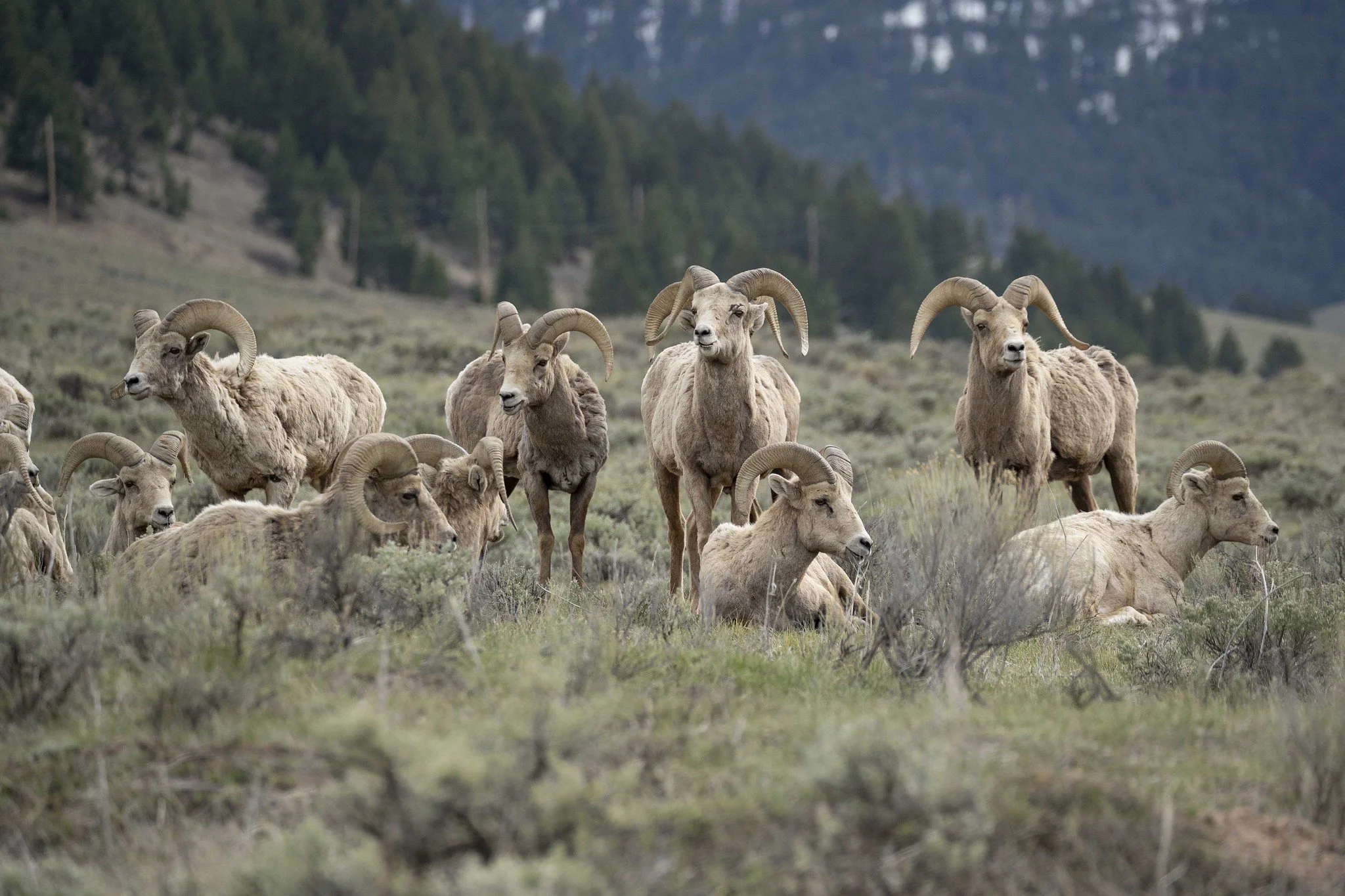
Grand Targhee Expansion Decision Will Harm Teton Wildlife
The west slope of the Tetons provide premium habitat for bighorn sheep, nesting raptors, and other wildlife — but newly approved development on public land here is likely to make their lives much more difficult. That’s a key impact of Grand Targhee Resort’s expansion plan, which the Caribou-Targhee National Forest approved in early June.

800,000 Acres and Counting: Celebrating the Success of the Migratory Big Game Initiative
The collaborative Migratory Big Game Initiative increases voluntary conservation and restoration in priority wildlife corridors. What began as a pilot effort has grown into one of the most successful public-private conservation partnerships in the West, with hundreds of thousands of acres of land enhanced to support some of Greater Yellowstone’s most crucial habitat and migration routes. Additional investments have supported wildlife-friendly fencing, habitat restoration, and other conservation practices that improve conditions for migratory wildlife.
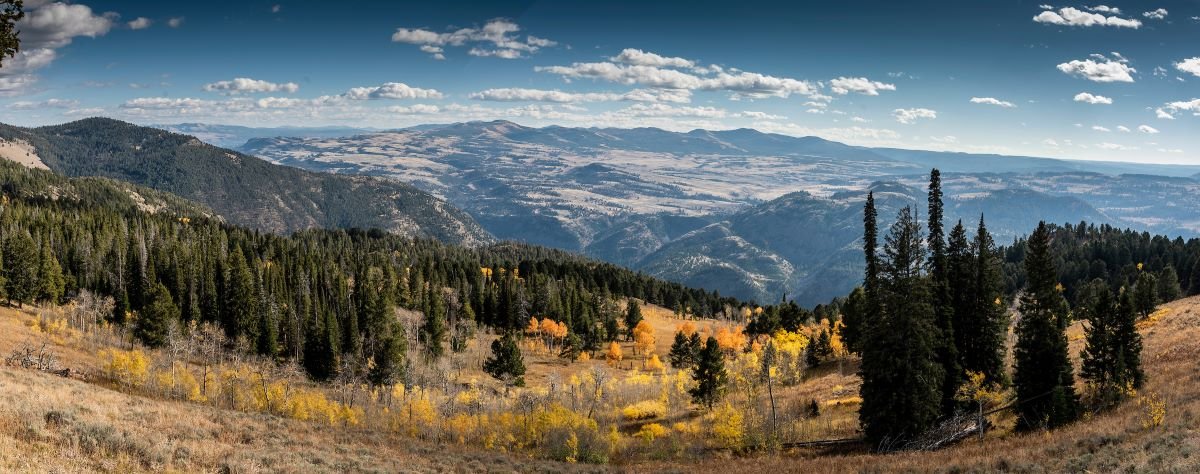
Creating New Public Land from the Scuttled Yellowstone Boundary Mine on Crevice Mountain
Over the last three years, GYC worked closely with our partners and private landowners on Crevice Mountain to ensure the successful transition of land and mineral rights from private ownership to public stewardship. Now we are celebrating 161 acres of new public land in Montana through two transfers: a 148-acre Crevice Mountain Mining Company parcel and the 13-acre Emma parcel.

Rehoming Yellowstone Bison to Tribes Makes History, Again
In February 2026, we witnessed the largest-ever rehoming of Yellowstone bison to tribes. In all, 213 healthy bison – or buffalo – made the 470-mile journey from the park to Fort Peck.