Experience the Centennial Valley with GYC
September 26-29, 2026
J Bar L Ranch - Near Lima, Montana
Join Us in the Centennial Valley in September
Experience this extraordinary landscape firsthand—and see how collaboration is keeping this incredible landscape connected, resilient, and wild.
A full itinerary will be released at a later date, but it will include shared meals, presentations, site tours, and flexible downtime. Activities at or near the Ranch may include hiking, bird watching, kayaking, fly fishing, wildlife photography, yoga, and more. All meals provided by a local chef are included.
To learn more, please reach out to GYC’s Senior Individual Giving Associate Mikey Gray at mgray@greateryellowstone.org or (406) 556-2807.
Approximate estimate per person for the trip: $1500
A Wild, Connected Landscape
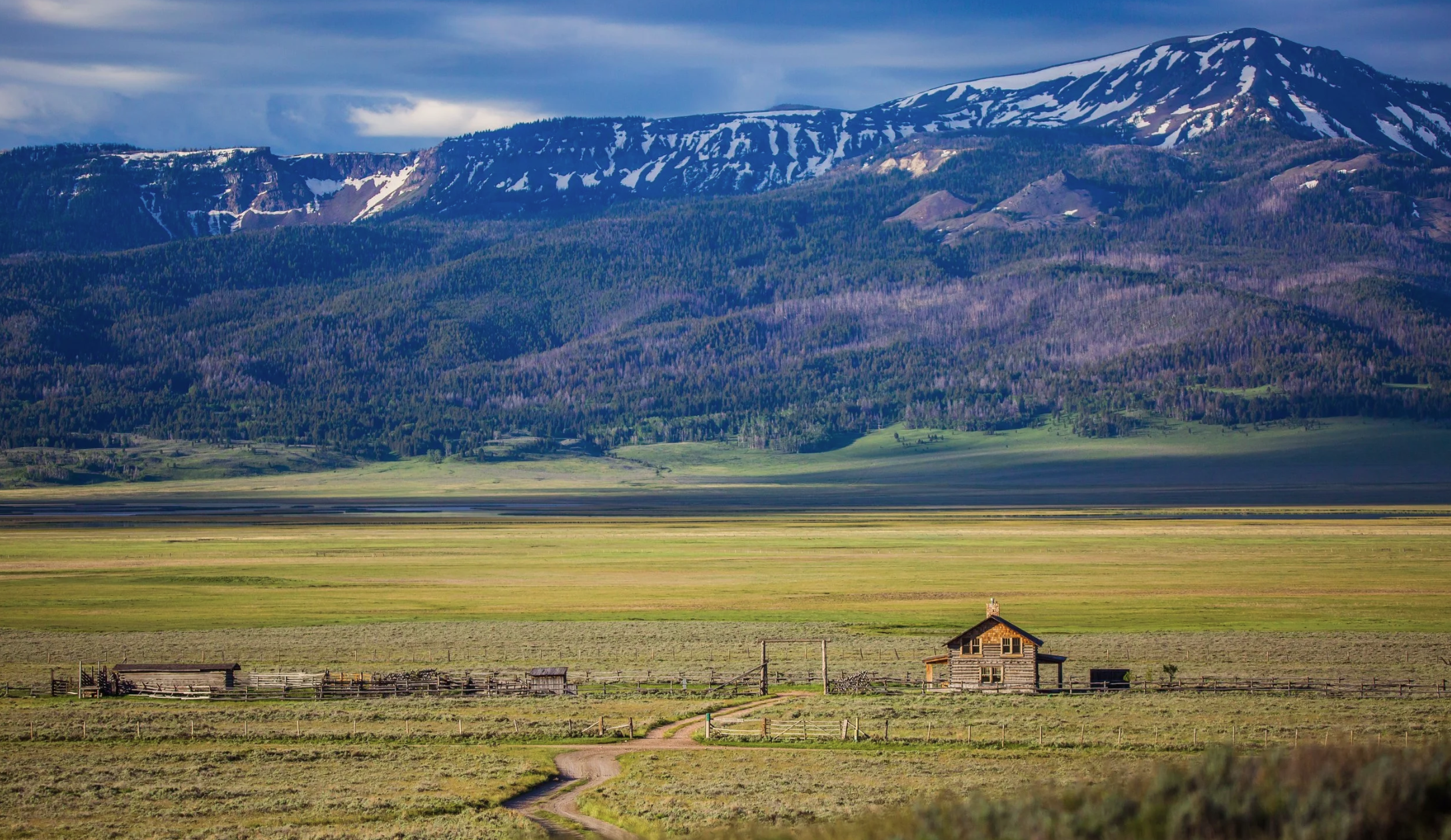
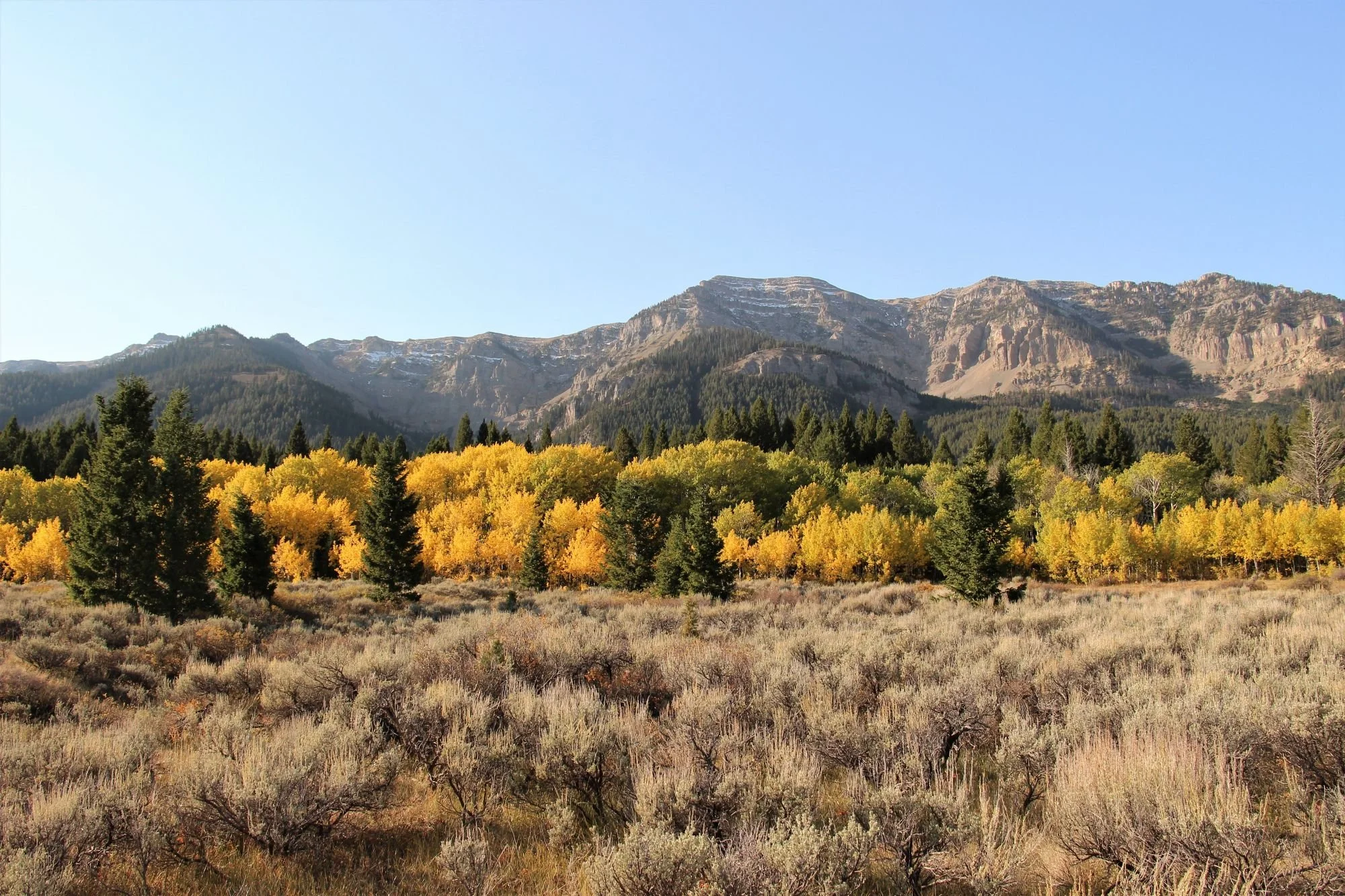
The Centennial Valley in southwest Montana is one of the most remote and intact landscapes in the Greater Yellowstone Ecosystem. At its heart, the lakes and marshes of the Red Rock Lakes National Wildlife Refuge are framed by sweeping sagebrush, grasslands, and sand dunes, with the Snowcrest, Centennial, and Gravelly ranges rising dramatically along the horizon.
Much of the private land in the valley is protected with conservation easements and nearly 100,000 acres are roadless and non-motorized—offering rare solitude for people and secure habitat for wildlife.
Critical for Wildlife
This landscape is a vital wildlife corridor, connecting Greater Yellowstone to the vast protected wilderness areas of central Idaho and the Northern Continental Divide Ecosystem of northwest Montana. As grizzly bears expand beyond Yellowstone, the Centennial Valley provides a crucial east–west pathway for linking the isolated population of the GYE to other grizzly bear populations, supporting long-term genetic health and a durable population.
Wolves, elk, moose, pronghorn, trumpeter swans, sandhill cranes, and Arctic grayling also depend on this intact and connected landscape.
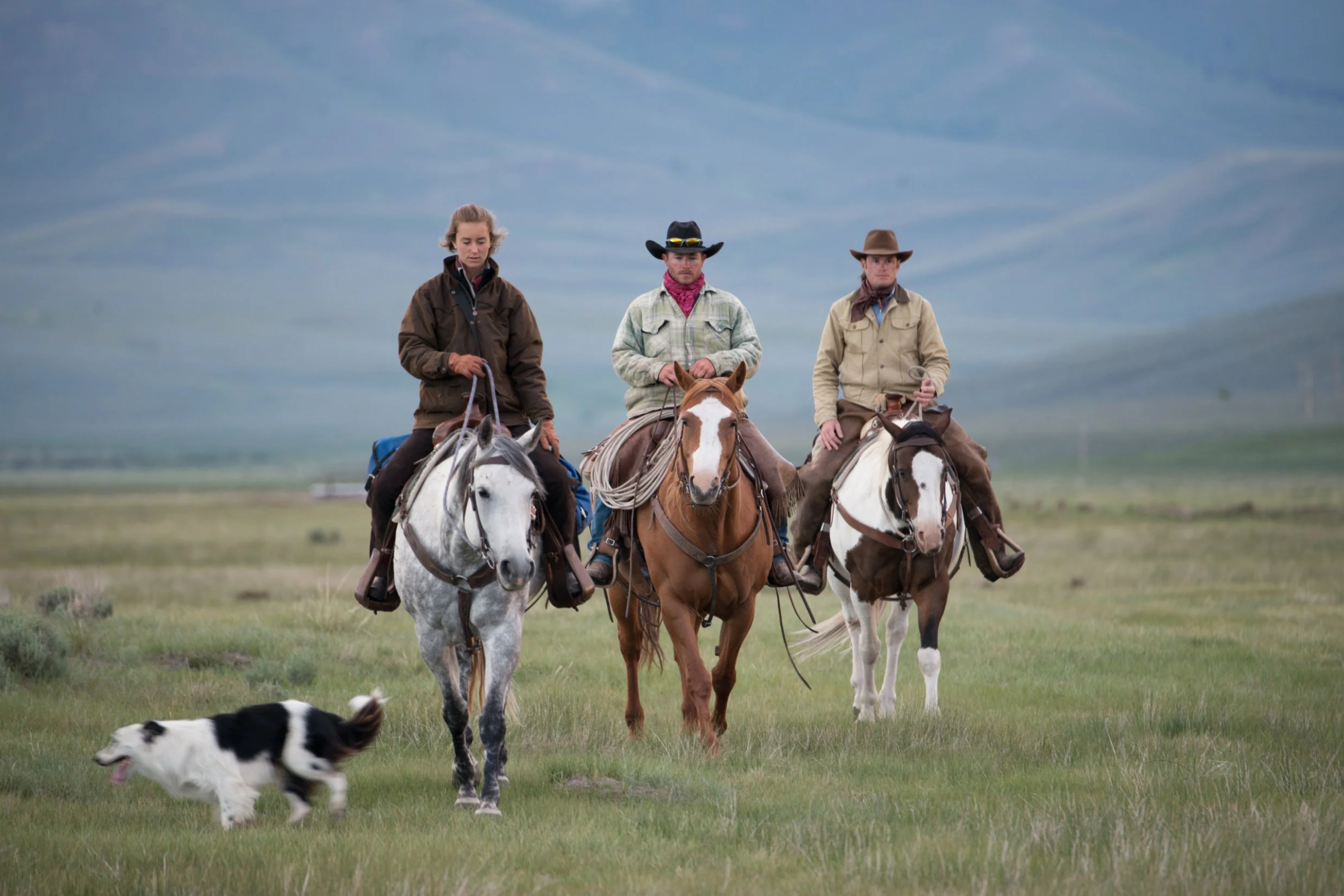
Photo J Bar L/Ami Vitale
Where Ranching and Conservation Meet
Over half of the Centennial Valley is public land; the rest is privately owned, primarily by multi-generational ranching families. These landowners play a central role in balancing the needs of wildlife with the economic viability of local ranching—using tools like range riders, wildlife-friendly fencing, and regenerative practices to coexist with wildlife while sustaining working lands.
GYC’s Work in the Centennial Valley
The Greater Yellowstone Coalition works in partnership with landowners, agencies, local organizations, and other nonprofits to keep the valley wild and working. Together, we:
Support the landowner-led Centennial Valley Association, a partnership focused on building trust to implement durable coexistence solutions
Fund range riders to reduce conflicts between wildlife and livestock
Invest in tools, like bear-resistant trash cans and storage containers, to prevent or reduce wildlife conflicts
Partner with the National Wildlife Federation and willing ranchers to retire public land grazing allotments (this reduces the potential for lethal encounters between bears and livestock in remote areas)
Oppose the proposed Kilgore gold mine (just across the border in Idaho), which threatens habitat, water, and connectivity
In 2022, GYC, the National Wildlife Federation, and Property and Environment Research Center created a unique partnership with the J Bar L Ranch to reduce conflicts in the West Fork Madison, a long-time grizzly conflict hotspot just north of the Centennial Valley in the Gravelly Range. Through a 12-year agreement, GYC and partners helped the J Bar L secure the 25,000-acre grazing allotment in exchange for an agreement to measurably reduce conflicts and eliminate lethal removal of bears and wolves.
In 2021, prior to the agreement and with the previous permittee, there were 19 confirmed grizzly-livestock predations. In the first season under the new agreement, there was only one confirmed predation. Since then, the J Bar L has tested four core grazing strategies to improve cattle performance while reducing conflicts with grizzly bears: shorter grazing periods, higher stocking rates, use of different age classes (e.g., yearling heifers), and active, on-the-ground management. Together, these approaches have consistently lowered livestock losses—resulting in just three losses in 2024—and built strong producer support for managing conflicts adaptively rather than euthanizing bears.
Accommodations
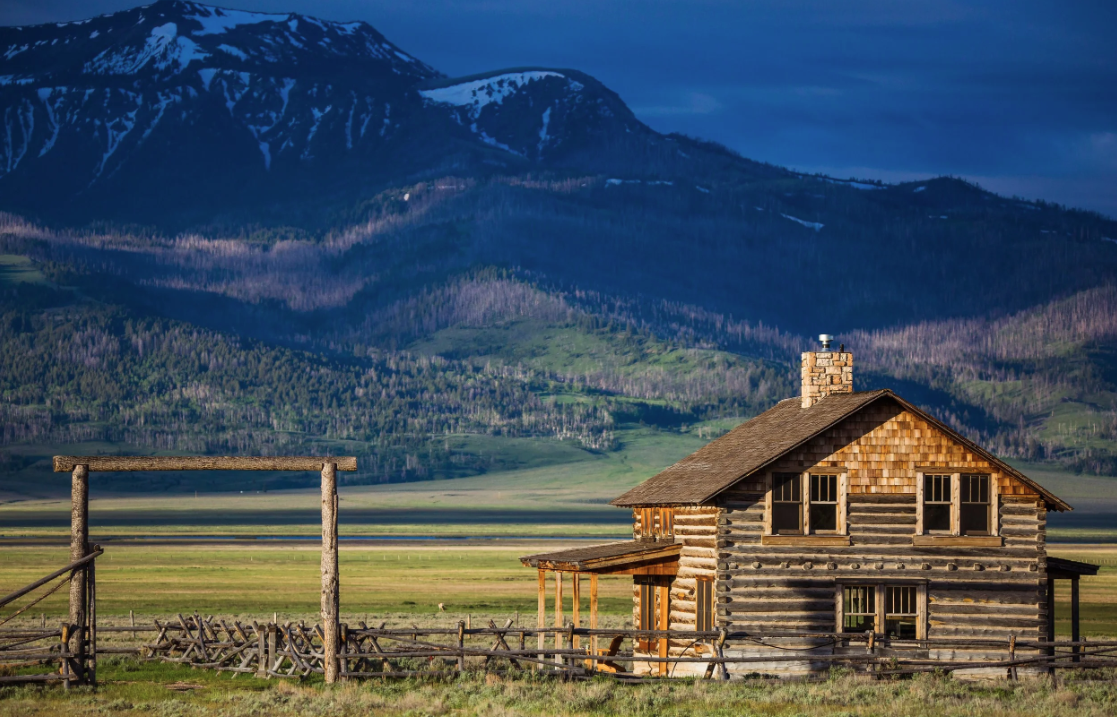
Anderson House
Accommodates up to 6 guests with 3 bedrooms (1 queen, 2 twin trundles) and 2.5 bathrooms. Also functions as a common gathering space for our group with a large dining room, private hot tub, kitchen, gas-burning wood stove, and washer and dryer.
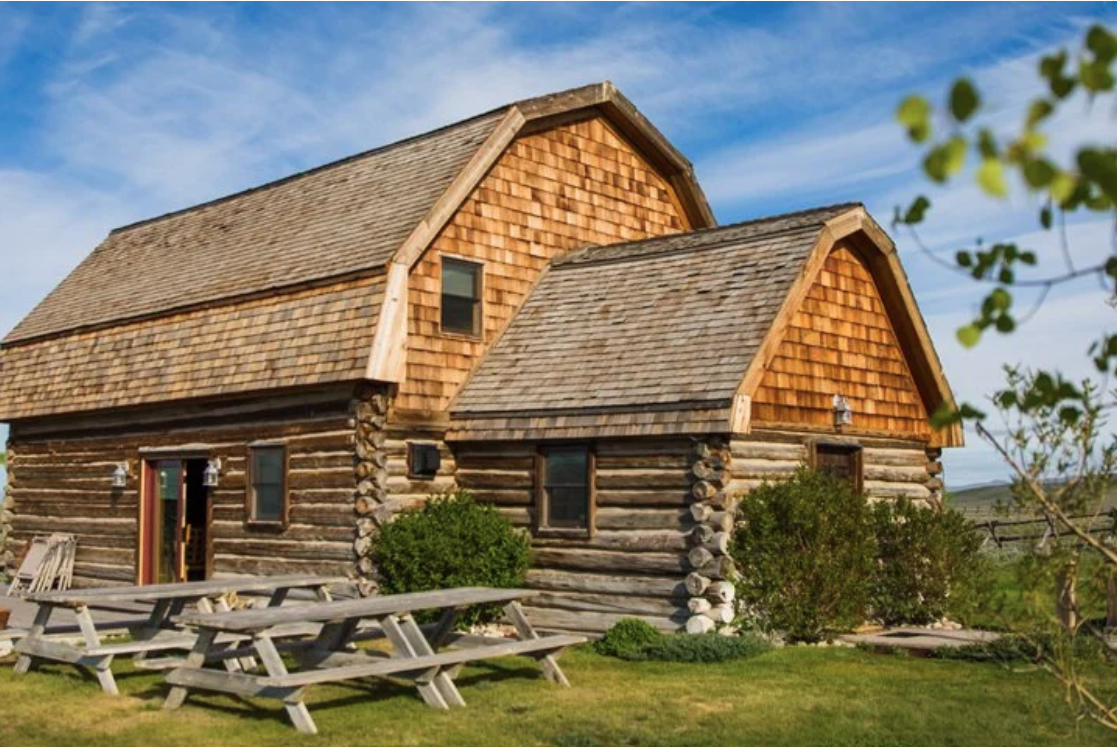
Stibal Barn
Accommodates up to 3 guests with 2 bedrooms (1 queen, 1 twin) and 1 bathroom. Also functions as a common gathering space for our group with a large dining room, kitchen, outdoor picnic tables, and communal hot tub.
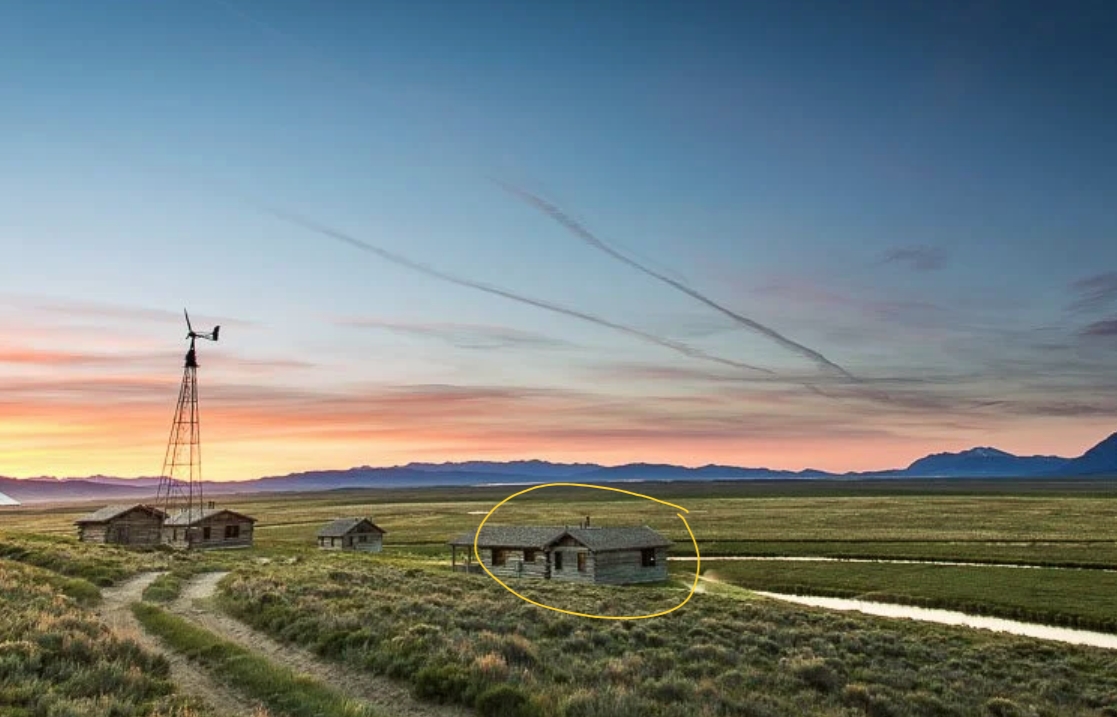
Brundage Commons Cabin
Accommodates up to 2 guests with 1 bedroom (1 king) and 1 bathroom. Also features gas-burning wood stove, kitchen, washer and dryer, and communal fire pit.
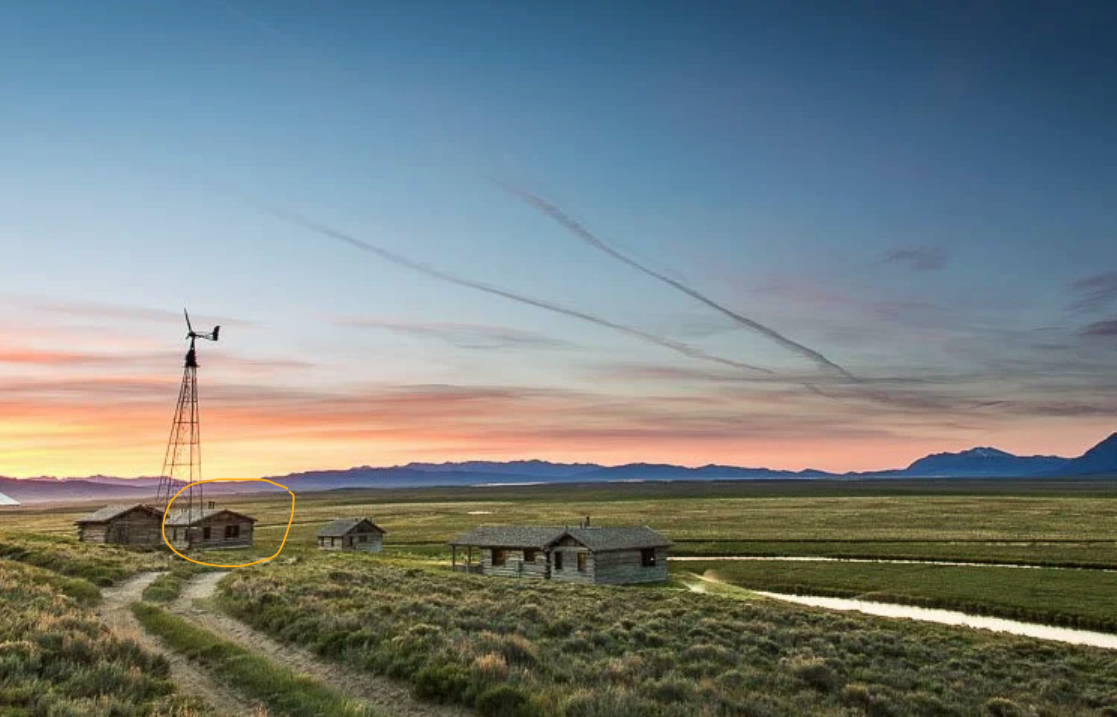
Brundage Middle Cabin
Accommodates up to 4 guests with 2 bedrooms (2 kings that can convert into 4 twins) and 1 bathroom. Also features gas-burning wood stove, communal fire pit, and access to washer and dryer.
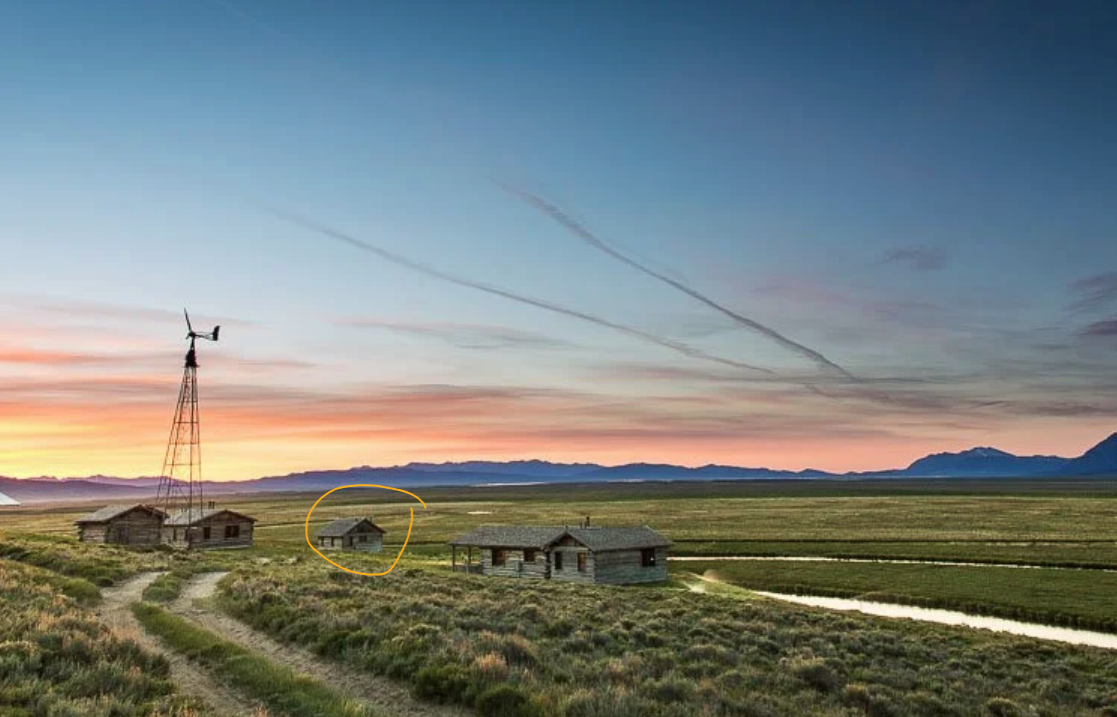
Brundage Writer’s Cabin
Accommodates up to 2 guests in a studio cabin (1 king that can convert into 2 twins) and half bath indoors with a private outdoor shower. Also features gas-burning wood stove, communal fire pit, and access to washer and dryer.
If you are interested in this unique trip and are keen to learn more, please reach out to GYC’s Senior Individual Giving Associate Mikey Gray at mgray@greateryellowstone.org or (406) 556-2807. Space is limited; early registration is highly encouraged.
Trip dates: September 26-29, 2026
Registration deadline: June 26, 2026
Cancellation deadline: July 26, 2026
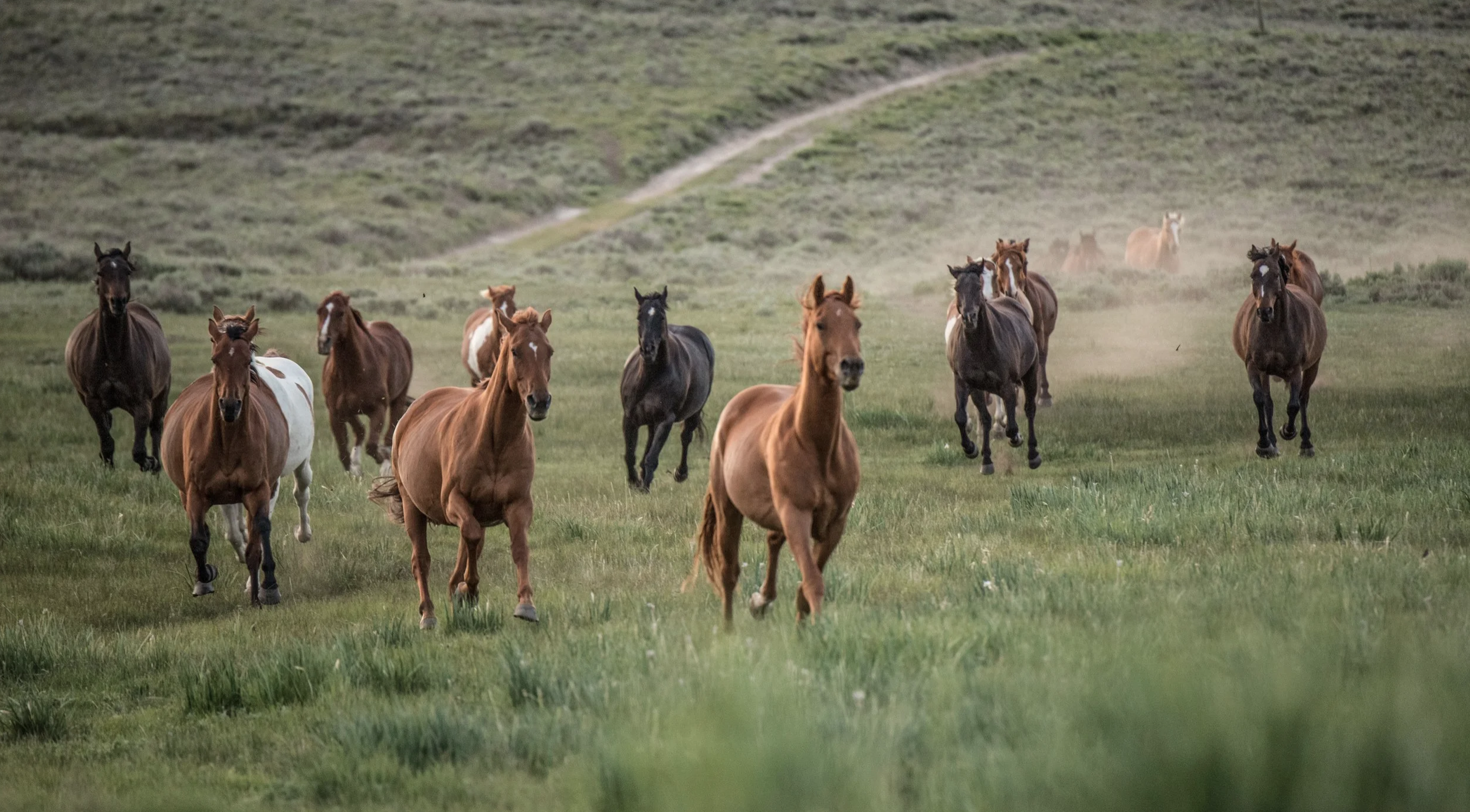
Enjoy Ranch Life in the Secluded Centennial Valley
Photos Courtesy of J Bar L Ranch
Swan and Horse Photos © Ami Vitale