2025 Annual Report
Dear Supporter,
The Greater Yellowstone Coalition’s record of conservation success is only possible when we work together. Often, that means starting small, in conversations with a neighbor. Making new connections. And eventually, those conversations and connections build into something greater. That collective power was on full display over the last year when so many of you stepped up to support our work.
You were there to advocate for and support the things you care about and confirm that we truly are greater when we all work together. In fact, over the last year, we heard from GYC supporters in all 50 states. When the foundation of the Greater Yellowstone Ecosystem—public lands—was under repeated threats, you spoke in a single unified voice and told our elected officials that our public lands are far too precious to be sold off to the highest bidder or used as a bargaining chip. When we asked for your support in advocating for science-based plans to manage and conserve the iconic wildlife in our region, you were there. Time and time again, we have counted on you to be our most valuable partner in protecting Greater Yellowstone.
Your commitment doesn’t just show up in moments of urgency—it sustains the day-to-day work that makes lasting conservation possible. Because of you, we’re able to bring people together, advocate for effective solutions, and secure tangible wins for the lands, waters, and wildlife that define this region. From safeguarding key migration corridors and organizing broad support for public lands in Wyoming to restoring bison herds with tribal partners, your support turns shared values into real outcomes on the ground.
As we look ahead, we know the challenges facing the Greater Yellowstone Ecosystem are only becoming more daunting. But our resolve remains strong. What gives me confidence is this community, people like you, who continue to show up, speak out, donate and stand firm in the belief that this place is worth protecting. You remind us that conservation is not just about landscapes or species, but about legacy. It’s about what we choose to carry forward and what we refuse to lose.
Thank you for being part of this work, for lending your voice, and for investing in a future where Greater Yellowstone remains wild, connected, and resilient.
Together, we are building something enduring—something truly greater than any one of us could achieve alone.

Scott Christensen Executive Director
Financials
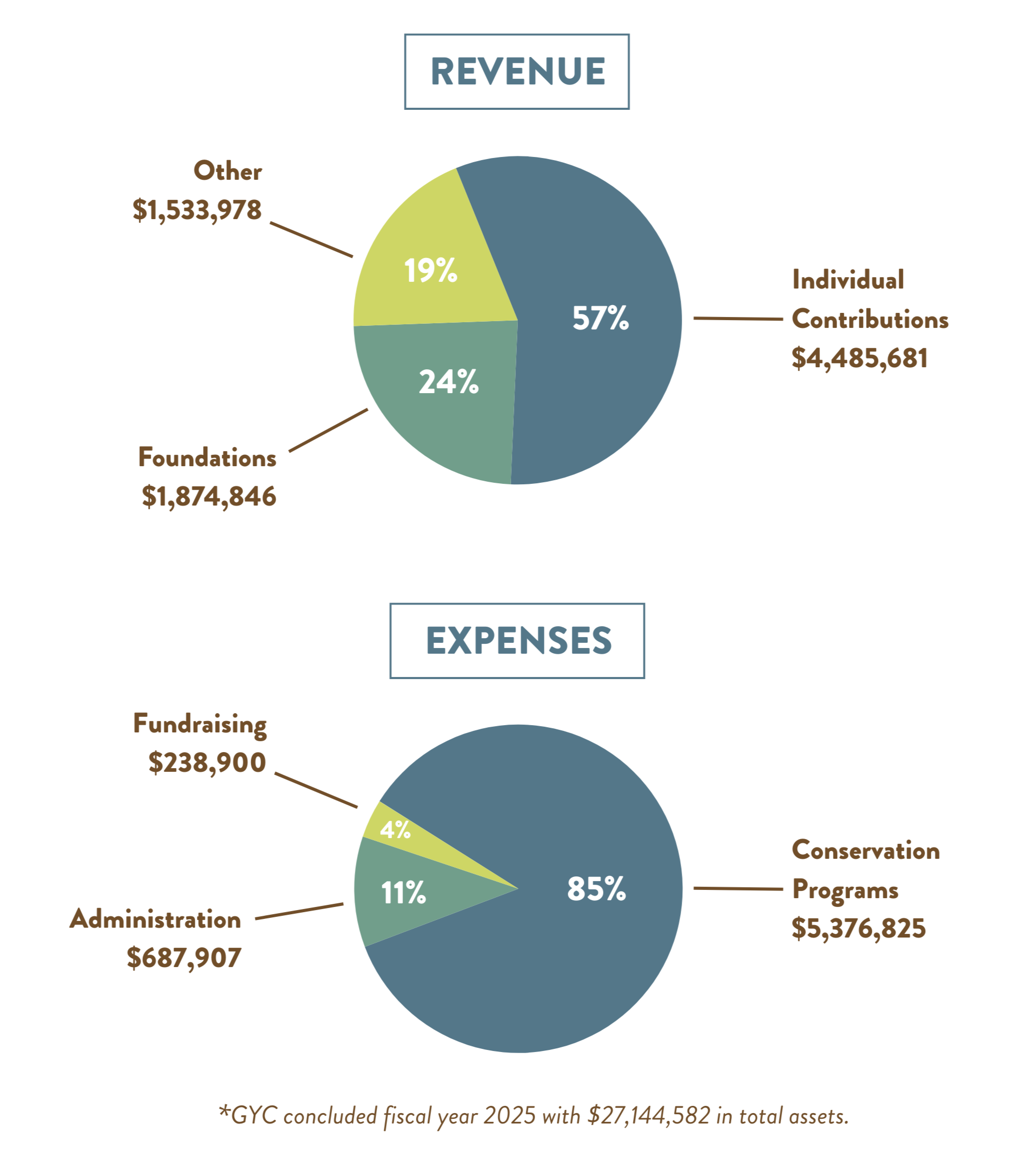
Our financial sustainability is due to generous gifts, bequests, sustaining donations, events, and grants from people like you. This generosity allows us to think bigger and make lasting investments in our work now and in the future. Thank you!
If you’d like additional information, please see our audited financial statements and 990s, please visit greateryellowstone.org/financials.
Our 2025 Wins by the Numbers

9,000+ GYC advocates made their voices heard for grizzly bears, public lands, and more
2.12 stream miles retrofitted with imitation beaver dams to increase natural water storage and improve resilience to wildfire.
213 bison transferred from Yellowstone National Park to the Fort Peck Indian Reservation, the largest cohort ever.
98.5 Gallatin and Madison river miles proposed for protection
8 new sites across the Greater Yellowstone Ecosystem adapted to be bear-resistant to help keep people safe and bears wild.
5 wildlife crossing underpasses available to Teton County wildlife with the completion of the Snake River Bridge project.
353 kids attended an Indigenous Youth Culture and Climate Camp on the Wind River Indian Reservation since 2023.
1,000+ acres in Wyoming are now supported through elk occupancy agreements that reduce conflict between elk and cattle and help ranchers live with wildlife.
Public Lands: A Uniting Force for Conservation
Your voice and the voices of thousands of people who care about the Greater Yellowstone Ecosystem proved in 2025 just how powerful it can be when we all work together for something greater. It started with a threat that struck at the core of what makes this region so special—an effort in Congress led by a Senator from Utah to sell off millions of acres of America’s public lands. But together, we pushed back. Advocates like you spoke up, reached out to decision-makers, and made it clear that these lands are not for sale today or ever.
That pressure worked. The proposal failed, marking a major victory for our public lands and the people and wildlife who depend on them.
But as one threat moved to the background, another emerged.
In late 2025, attention turned to the 2001 Roadless Area Conservation Rule, one of the most important and proven effective safeguards for our national forests. This rule protects 45 million acres of undeveloped public lands from roadbuilding and large-scale industrial activity, which includes millions of acres across Montana and Wyoming.
These roadless areas are more than just lines on a map. They are the headwaters of our rivers and streams. The areas provide clean, reliable drinking water to communities across the country. They are also some of the last intact habitats for wildlife. When proposals surfaced to roll back these protections, you showed up again. Nearly 2,000 Greater Yellowstone Coalition supporters took action, speaking out in defense of these wild places and the rule that has proven effective in their protection.
Roadless areas form the backbone of habitat for iconic species like grizzly bears. These undeveloped landscapes provide the large, connected areas that grizzlies need to roam, find food, and safely raise their young. Without these undeveloped areas, roads fragment habitat, increase conflicts with people, and threaten the long-term survival of this critical species.
Protecting roadless forests is also about something deeply personal: the water we drink. These intact landscapes filter and store water naturally, ensuring that rivers run clean and cold—from mountain headwaters all the way to downstream communities. Weakening these protections would put our communities at risk, opening the door to development and uses that can degrade water quality and increase wildfire impacts.
And yet, the public outcry in support of public lands over the last year once again showed what’s possible. From resoundingly stopping public land selloffs to mobilizing thousands of advocates to defend the Roadless Rule, you proved that people across the political spectrum value these lands and are willing to fight for them.
That’s the story of this year: not just challenges, but unity and a growing public lands movement.
It’s a reminder that conservation victories don’t happen by accident. They happen because people like you take action—writing a message, signing a petition, showing up when it matters most. And when those individual actions come together, they create something powerful enough to protect millions of acres of wild country.
In Greater Yellowstone, protecting roadless forests means protecting clean water. It means protecting wildlife like grizzly bears. And ultimately, it means protecting the wild heart of this ecosystem, today, and for generations to come. Our public lands across the ecosystem need your continued support.
Restoring America’s National Mammal
It’s hard to overstate the vastness of northeastern Montana. The upper right corner of the state is closer to Canada than Yellowstone. It’s this expansive landscape on the Fort Peck Indian Reservation where genetically pure bison—or buffalo—from Yellowstone National Park spend a year of their lives before finding their permanent homes with tribal nations across North America.
In February 2026, a team from the Greater Yellowstone Coalition witnessed the largest-ever rehoming of Yellowstone bison to tribes. In all, 213 healthy bison made the 470-mile journey from the park to Fort Peck.
It’s part of a coordinated effort developed in partnership with the National Park Service, the Fort Peck Assiniboine and Sioux Tribes, state of Montana, the Greater Yellowstone Coalition, Defenders of Wildlife, Yellowstone Forever, and the Animal and Plant Health Inspection Service to ensure more healthy bison are kept alive and transferred to tribes.
The Bison Conservation Transfer Program is a critical part of meaningful bison restoration.
The once vast herds that engineered the American West and supported tribes for millennia were nearly wiped out by the early 1900s. The roughly 5,000 bison roaming Yellowstone today are descendants of just two dozen individuals that found a haven in the park’s rugged interior while European settlers and the American military systematically exterminated millions of animals.
To date, the program has rehomed 625 Yellowstone bison to 29 tribes in 13 states and one first nation in Canada. Tribes’ access to Yellowstone bison is not only paramount for cultural reasons, but a protected treaty right. The successful rehoming effort would not have happened without the dedication and stewardship of Fort Peck’s tribal buffalo program led by Robbie Magnan.
For nearly three decades, Magnan has managed the tribes’ buffalo. Magnan grew up on the Fort Peck Indian Reservation but did not see a live buffalo until he visited the Denver Zoo when he was 10 years old.
“Buffalo had been absent for two generations, so I never really had stories to relate to until we brought buffalo back to the Fort Peck Reservation,” he said. “I’m fortunate now, I get to see what my parents and grandparents didn’t get to see, and that’s to live with the buffalo.”
GYC and its generous donors continue to support the transfer program. Together, we’ve been able to quadruple the capacity of the program which means even more healthy bison are being diverted from slaughter and restored to their ancestral range. From a policy lens, we continue to advocate for modern, science-based solutions that allow our national mammal to thrive. Yellowstone’s updated bison management plan has been a big step in the right direction by prioritizing the transfer program over slaughter and relying on the best available science to make decisions.
Plus, a 2025 study published in the journal Science confirms Yellowstone’s free-roaming herds of bison not only shape the landscape but make it healthier. Researchers found that in areas where bison graze heavily, plants regrow with 150 percent more nutrients, making forage across the landscape more nutritious for all plant-eating wildlife. Crucially, Yellowstone’s grasslands stayed healthy and resilient even with far more bison than traditional livestock standards would recommend.
The American bison’s story is a conservation success that continues to have positive ripple effects for tribal cultures, and the health of the ecosystem. And yet, the story isn’t over.
The story is a quiet, steady return of something that should never have been taken away. It’s a reminder that the restoration of a species is possible when people come together with a deep respect for partnership, patience, and hope.
Grizzlies: A Conservation Story Still Being Written
For more than 40 years, the Greater Yellowstone Coalition has worked alongside communities, agencies, and landowners to ensure grizzly bears have a secure future in the Greater Yellowstone Ecosystem and beyond. That collective commitment on the part of many has paid off: once pushed to the brink of extinction, grizzlies have rebounded and expanded into places they haven’t roamed in more than a century.
It is a once-in-a-lifetime conservation success story—and it’s not over yet.
Grizzlies now face renewed pressure from habitat loss, expanding conflicts with people, and ongoing political uncertainty, all which threaten to weaken several of the policies and systems that have been key to grizzly conservation success.
Grizzly bears will retain their Endangered Species Act protections, for now, after the U.S. Fish and Wildlife Service asked a federal judge for more time to determine whether Greater Yellowstone grizzlies and those across the lower-48 will stay listed.These challenges require thoughtful collaboration and significant funding to support on-the-ground projects, along with persistent attention and science-based advocacy for policies that protect grizzly populations. GYC strives to ensure grizzlies thrive, while balancing the livelihoods and safety of communities living alongside bears.
That’s where your support makes a difference.
The lands across the Greater Yellowstone Ecosystem are managed by a mosaic of federal, state, and local entities, tribal governments, and private landowners. GYC works to build consensus across this diverse network, supporting management frameworks that protect core habitat, reduce conflicts, and promote linkage between populations to ensure recovery remains durable.
In Wyoming, we expanded our partnership with the Wyoming Game and Fish Department to strengthen livestock carcass removal —an effective tool for preventing conflicts before they start. We also supported bear safety ambassadors on the Bridger-Teton and Shoshone national forests to educate visitors on bear safety, and bolstered research testing innovative technologies aimed at reducing livestock depredations.
In Idaho, we partnered with Teton County to support implementation of the county’s bear-conflict reduction ordinance—an effort that includes public education, expanding access to bear-proof trash container options, and developing stronger planning tools. We also helped fund Idaho Department of Fish and Game’s grizzly monitoring and outreach programs to assess conflict areas, build community tolerance, and advance research on Idaho’s grizzly populations.
In Montana, we invested in community-level infrastructure and partnerships—upgrading trash sites and campgrounds with bear-resistant infrastructure, supporting range-rider programs, and partnering with Colorado State University researchers to study grizzly-cattle interactions in the Gravelly Mountain Range.
Additional efforts included habitat improvements with the Forest Service, electric fence and green box enhancements in Paradise Valley, Montana, and ongoing Bear Aware infrastructure and programming near Yellowstone’s North Entrance.
Across all five national forests of the Greater Yellowstone Ecosystem, we installed bear-resistant food storage containers and supported road rehabilitation projects—each mile of which restores roughly 400 acres of secure grizzly habitat.
Your donations, along with the commitment of communities, agencies, and landowners, proves that our conservation efforts are greater when we work together. The path forward is clear: conflict prevention, habitat protection, science-based management, and collaborative leadership. Thank you for helping ensure that grizzlies and the communities that live with them can thrive together—not just today, but for generations to come.
We Thank Our Donors and the Foundations Who Make Our Conflict Prevention Work Possible
Donald J. Slavik Family Foundation
Harder Foundation
Richard King Mellon Foundation
Shipley Foundation
The Volgenau Foundation
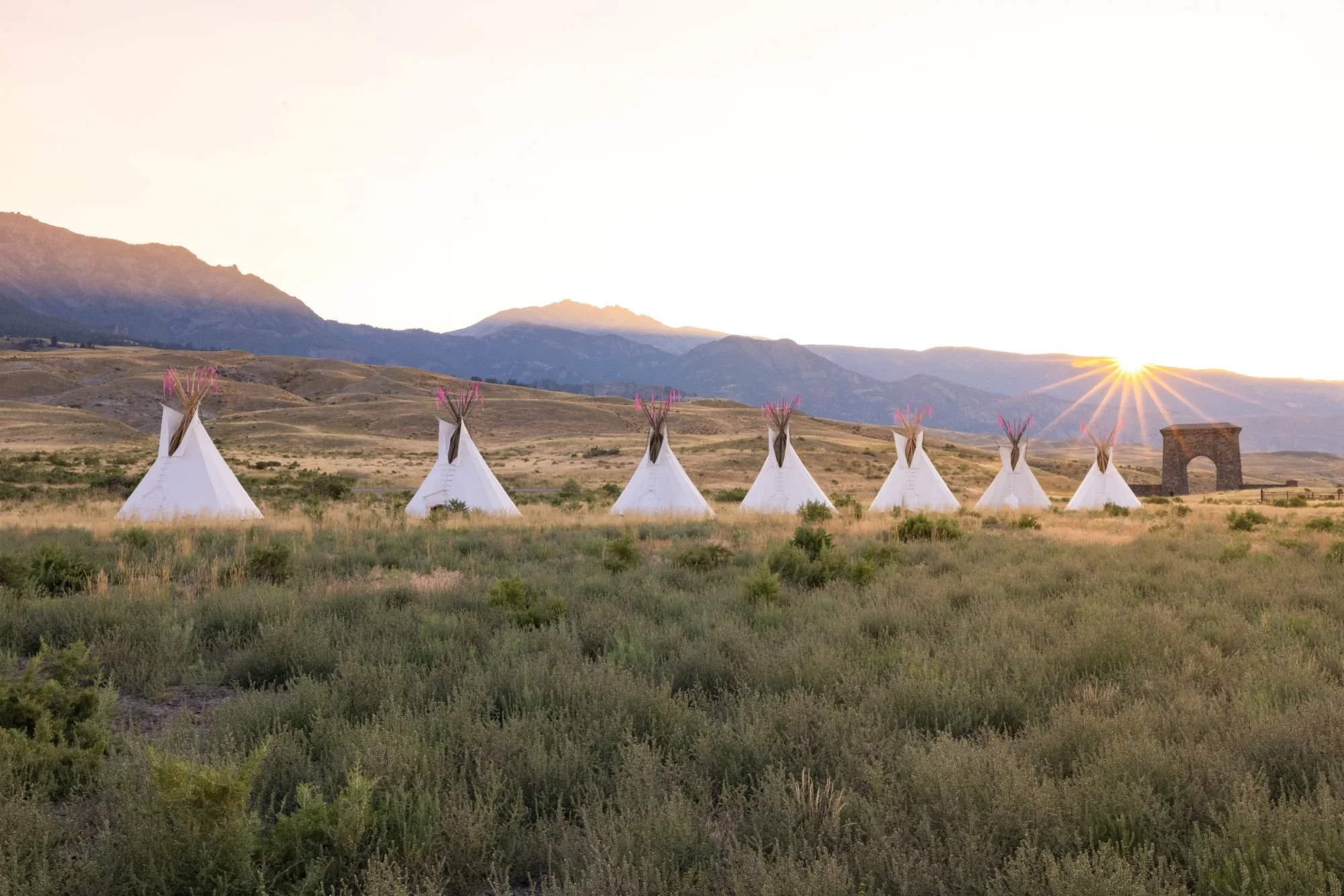
Telling the Full Story of Greater Yellowstone
The Greater Yellowstone Coalition opposes the federal executive order and resulting actions that have removed or altered historical signage and interpretive content at national parks and historic sites across the country, including within the Greater Yellowstone Ecosystem.
Indigenous peoples have stewarded the lands, waters, and wildlife of Greater Yellowstone since time immemorial.
Their histories, cultures, and living connections to this landscape are inseparable from the story of this place. Interpretive materials in our national parks and public lands should reflect the full and honest history of these landscapes. That includes the experiences and perspectives of tribal nations whose ancestors lived here long before these lands were designated as parks or battlefields.
Excluding or minimizing Indigenous voices risks repeating harms of the past and undermines ongoing efforts to build meaningful partnerships among tribal nations, federal agencies, conservation organizations, and state governments.
Conservation is strongest when it includes many voices and ways of knowing.
Indigenous knowledge and experience offer insights into wildlife migration, wildfire, water use, and landscape resilience that are essential to long-term ecosystem health. Equally important, Indigenous histories and cultural connections to these lands deserve recognition and respect.
We believe that telling a complete and inclusive history strengthens public understanding, deepens stewardship, and honors the many peoples who have shaped and continue to shape Greater Yellowstone and our nation.
The full story of Greater Yellowstone—past and present—is incomplete without it.
The Greater Yellowstone Coalition works in collaboration with tribal partners to elevate Indigenous knowledge and advance tribal conservation priorities that benefit nature and communities. We remain committed to working alongside tribal nations to ensure Indigenous perspectives and true histories are respected and shared.
Defending Montana’s Wild Rivers, Now and Forever
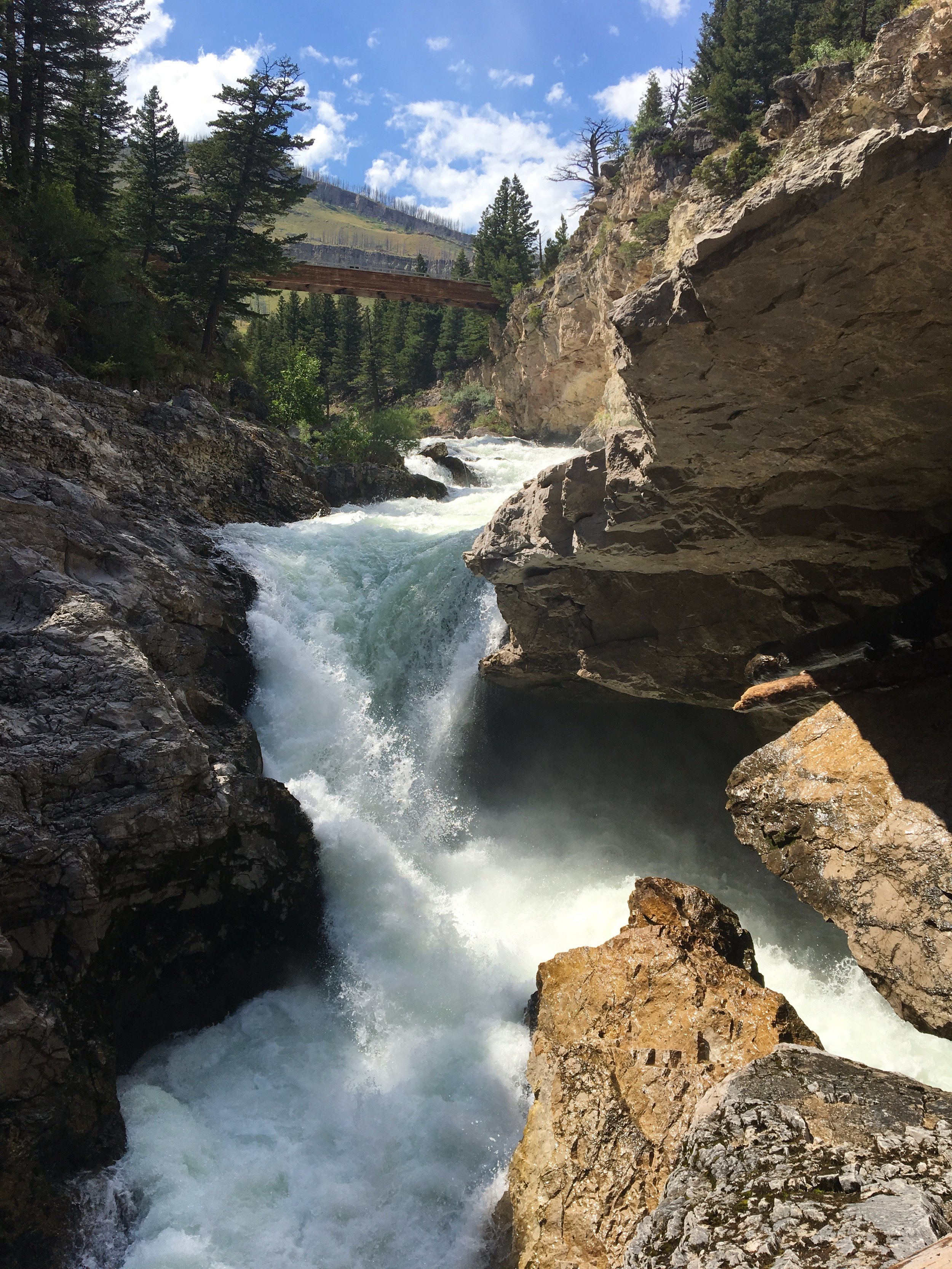
The Greater Yellowstone Ecosystem is the headwaters of the West—its many rivers are the lifeblood of this extraordinary region. Montana’s storied rivers are fundamental to the economy, ecology, and identity of the state. The clean, cold waters of the Madison and Gallatin rivers offer world-class recreation, fuel a robust tourism economy, provide drinking water, support family farms and ranches, and sustain fish and wildlife.
But Montana is changing, and these treasured waterways face growing threats. Population growth, development in river valleys, climate change, and pressure on water resources threaten the rivers that Montanans—and millions downstream—depend on.
That’s why the Greater Yellowstone Recreation Enhancement and Tourism Act (GYREAT), introduced by U.S. Congressman Ryan Zinke of Montana, represents an important opportunity. The legislation would protect nearly 100 miles of the Madison and Gallatin rivers, along with key tributaries, through designation under the Wild and Scenic Rivers Act.
Signed into law in 1968, the Wild and Scenic Rivers Act provides a proven framework to safeguard rivers with “outstanding natural, cultural, and recreational values in a free-flowing condition for the enjoyment of present and future generations.” Wild and Scenic designations protect water quality, maintain natural river flow, and preserve the many benefits these rivers provide.
That means sustaining outdoor recreation economies built on fishing and floating, securing clean and reliable water for communities and agriculture, protecting wildlife habitat along rivers, and preserving the character of Montana’s landscapes and communities.
Congressman Zinke has the crucial opportunity to secure lasting protections for two of Montana’s most iconic waterways by advancing the GYREAT Act, cementing a conservation legacy that will benefit Montanans and the Greater Yellowstone region for generations to come.
This vision for long-term river protection builds on years of community conversations, scientific study, and broad coalition input led by GYC and our partners.
Now is the time for Congressman Zinke to take this important legislation through the finish line.
Advocating for Wyoming’s Big Wind River
Video Emma Carlson
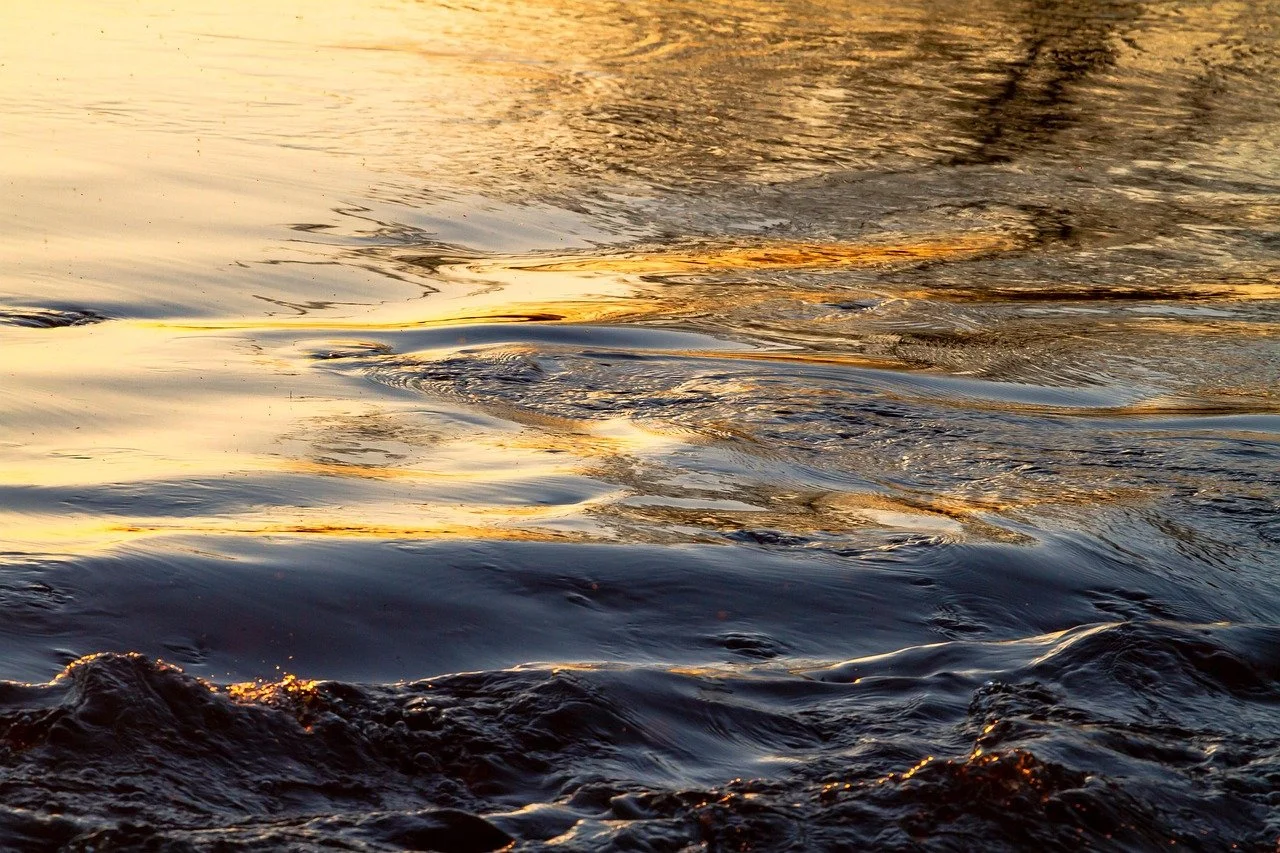
From its headwaters in the snowcapped mountains of the Wind River Range in Wyoming, the Wind River flows southeast before it crosses the western boundary of the reservation that also carries its name.
The Big Wind River is central to the economic, cultural, and spiritual well-being of the people of the Wind River Indian Reservation.
For the Eastern Shoshone and Northern Arapaho Tribes, the river gives energy, brings healing, and sustains a way of life.
Over the past century, systemic injustices have degraded the river. Today, much of the Big Wind’s water is diverted away from the tribes at Diversion Dam to provide non-tribal irrigators with access to water at the expense of Indigenous communities. Not only does Diversion Dam represent a profound and continuing injustice to the tribes, but an ecological catastrophe as well; there are times when the Big Wind below Diversion Dam is completely dry, leaving no flow for the tribes, let alone for the fish, wildlife, and riparian habitats downstream.
To better understand current conditions of the Big Wind River, the Greater Yellowstone Coalition is facilitating connections among researchers, tribal partners, and tribal members to explore the development of a plant and hydrology study grounded in Traditional Ecological Knowledge.
In September 2025, nearly 30 participants joined a two-day tour of the Wind River corridor to strengthen relationships, explore ecological conditions, and refine collaborative research priorities that honor and align with tribal interests.
Discussions also addressed the lack of enforceable state water quality codes, tribal sovereignty challenges, and the idea of convening a tribal-led water symposium. Tribal knowledge holders, local experts, researchers, and conservation partners shared perspectives on how dams and diversions have altered hydrology, impacted native vegetation, and reshaped community connections to water. The gathering created a shared understanding of the river’s challenges and opportunities, fostered new partnerships, and laid the foundation for potential research that is scientifically rigorous and culturally grounded.
Thank You to the Robert and Dee Leggett Foundation for Supporting This Work!
Bison Bake Sale!
What started as a school research project on bison turned into a heartfelt effort that raised nearly $400 to support their conservation. Idaho sixth grader Olivia Nance organized a Saturday bake sale last spring with a simple goal: share delicious treats, spark conversations about bison, and raise money to support the Greater Yellowstone Coalition’s work to ensure these iconic animals can thrive for generations to come.
The community loved them. By the end of the day, Olivia had sold an impressive $383.47 worth of aptly named “bison bars” and other goodies. She gathered the proceeds and sent them directly to the Greater Yellowstone Coalition.
“I learned what they could do with the money—build fences, buy trailers—and that just seemed like a good idea,” Olivia remarked.
From a single idea to real impact on the ground, Olivia’s story is a beautiful reminder that anyone, at any age, can take a seemingly small idea and turn it into something greater to help protect wildlife and Greater Yellowstone.
Watch Olivia’s Interview
Did You Know That More Than 100 People Have Made Planned Gifts to GYC Through:
Bequests,
Annuities,
Charitable Trusts?
It’s the Best Way to Cement Your Legacy as a Defender of Greater Yellowstone! To Learn More, Contact Director of Development Faye Nelson at fnelson@greateryellowstone.org or (406) 556-2810.

The Greater Yellowstone Coalition has a platinum transparency rating with Candid and Guidestar, the world’s largest source of information on nonprofit organizations. The platinum transparency is the highest level a charity can achieve, showing GYC is committed to sound financial management.

Attaining a 4-star “exceptional” rating from Charity Navigator verifies the Greater Yellowstone Coalition exceeds non-profit industry standards. Only 16 percent of charities evaluated have received at least seven consecutive 4-star ratings, which means the Greater Yellowstone Coalition outperforms most other charities in America.