Yellowstone bison represent one of America’s greatest conservation success stories, but their long-term recovery and restoration depend on more than protecting bison within Yellowstone National Park. Meaningful restoration also requires allowing bison to move across the broader landscape and access important seasonal habitats outside the park, including lower-elevation winter range and spring calving grounds. These seasonal movements are a natural and essential part of bison ecology and have shaped the Greater Yellowstone Ecosystem for thousands of years.
Sometimes, bison take their role as ecosystem engineers a bit too seriously and end up trampling school fields, gardens, playgrounds, landscaping, and more. While these conflicts can create real challenges for neighboring communities and landowners, they can also undermine public support for restoring bison to more of their historic range. Helping people and bison coexist is therefore essential to expanding the areas where bison can safely roam and thrive.
The Greater Yellowstone Coalition and partners are helping landowners near Yellowstone prevent and reduce conflicts with bison moving outside the park and building the community support necessary for their long-term restoration. Through the Yellowstone Bison Coexistence Project, launched in 2011, landowners may receive reimbursement for part of the cost of bison-resistant fencing to protect property and reduce potential conflicts while allowing bison to continue accessing important habitat.
Now, 15 years after it began, the Yellowstone Bison Coexistence Project has reached an exciting milestone: 60 completed projects supported through the reimbursement program. This achievement reflects GYC’s and our partners’ ongoing commitment to restoring bison to more of their historic range while supporting the landowners and communities who share the landscape with them. By reducing conflicts and fostering coexistence, we are helping create a future where people and bison can thrive in the Greater Yellowstone Ecosystem.
Here are a couple of projects we’ve seen implemented in recent years:
Fencing at a home outside of West Yellowstone, completed in 2026
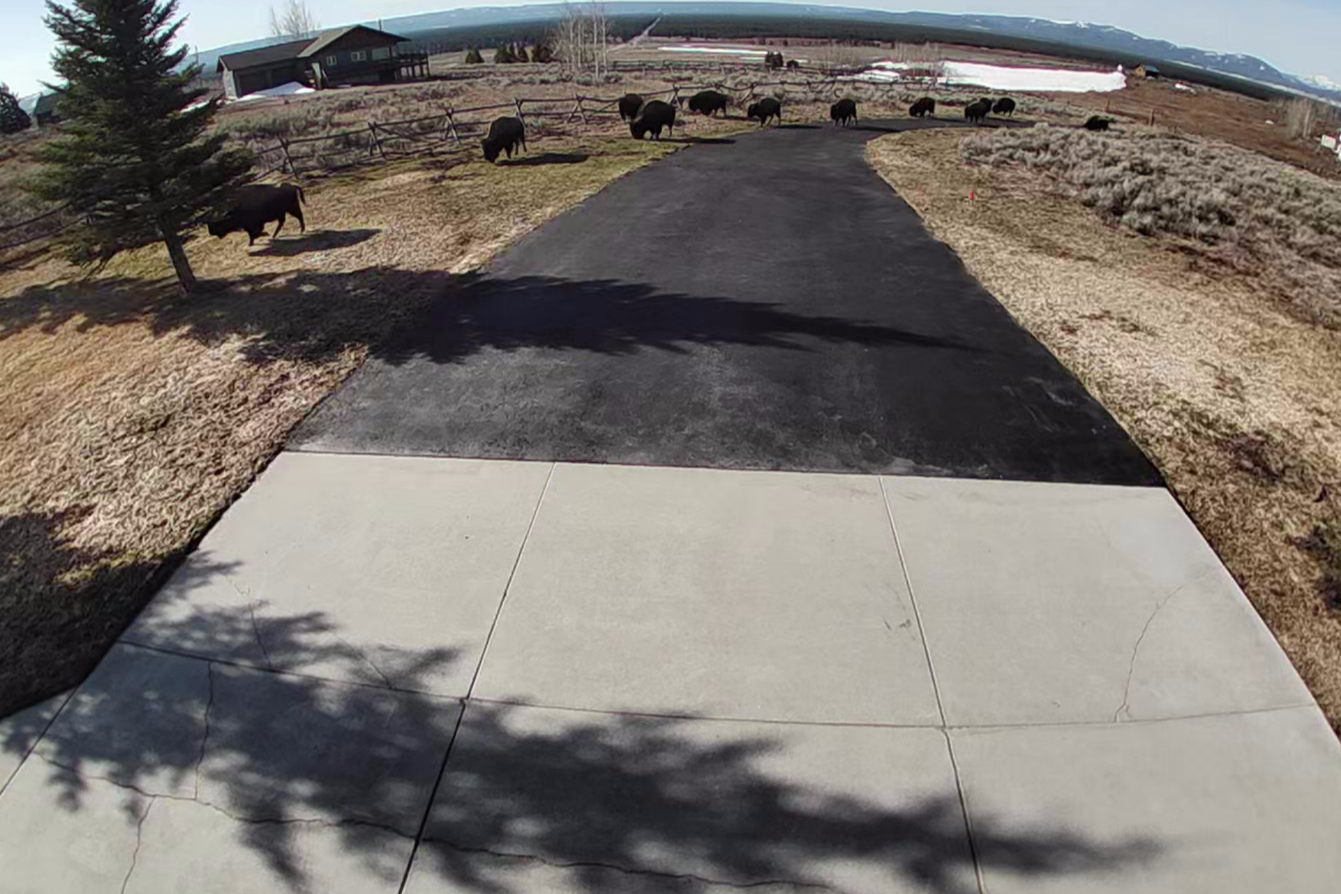
Before: Bison enter the yard near the road that runs by the home.
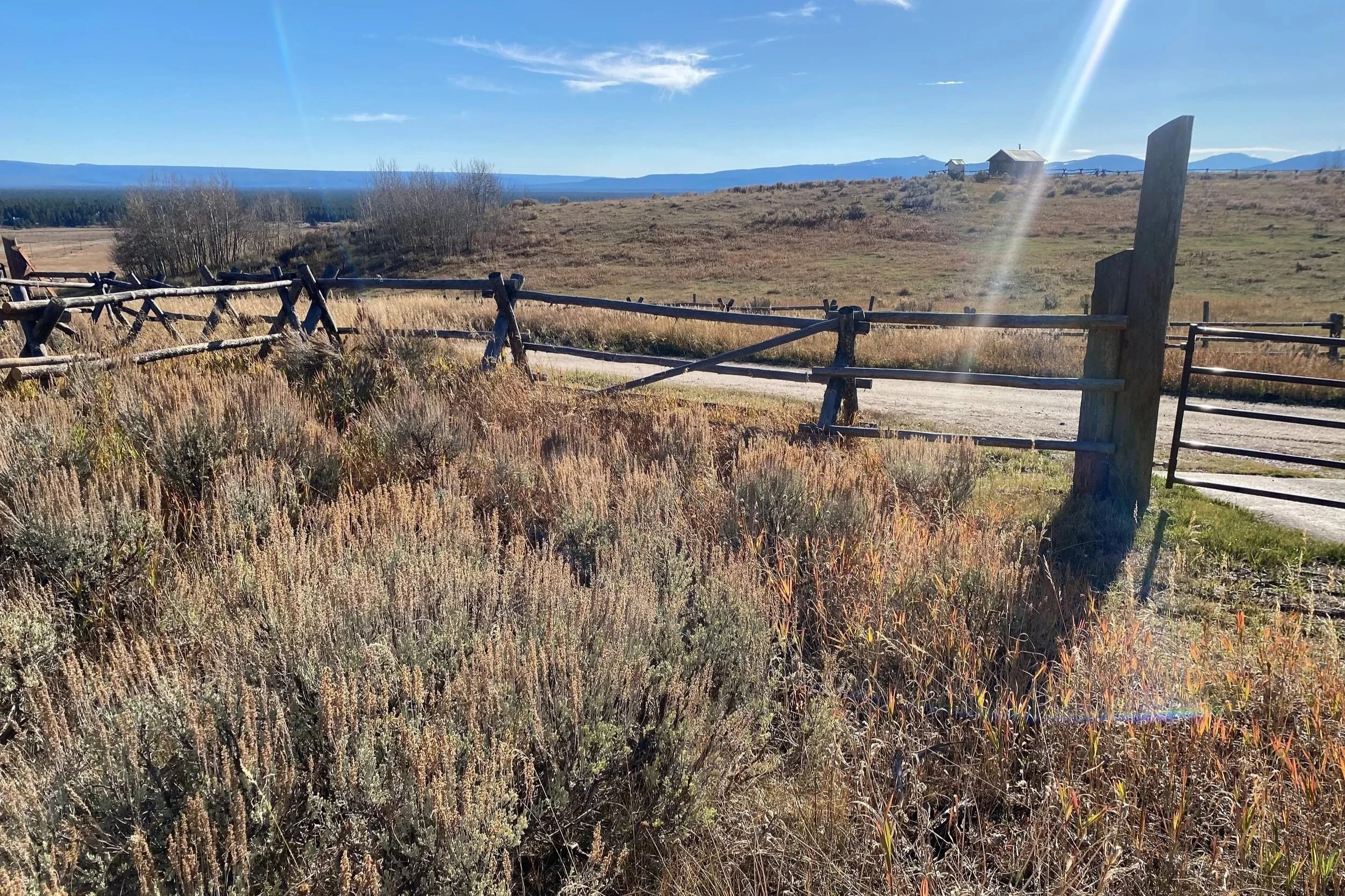
After: An added fence and gate keep bison off the property.
Fencing at the Gardiner School sports fields, completed in 2025
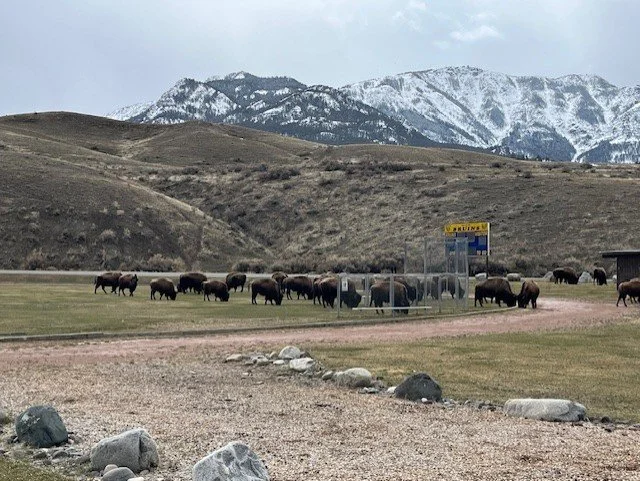
Before: Bison herds dine on grass found on the sports field.
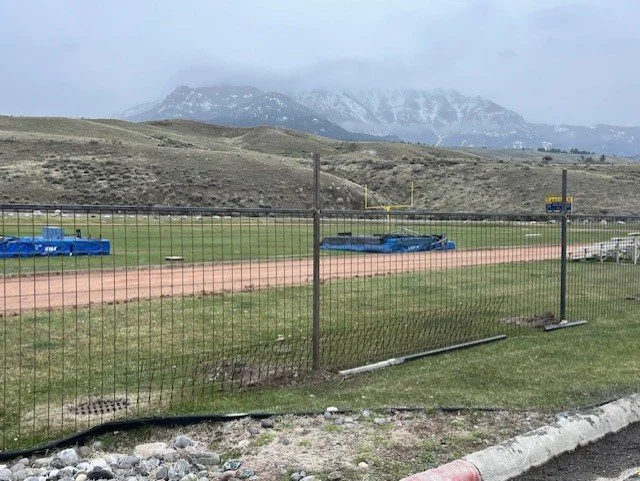
After: A new fence keeps bison from trying out for football.
Fencing at a home outside of West Yellowstone, completed in 2025
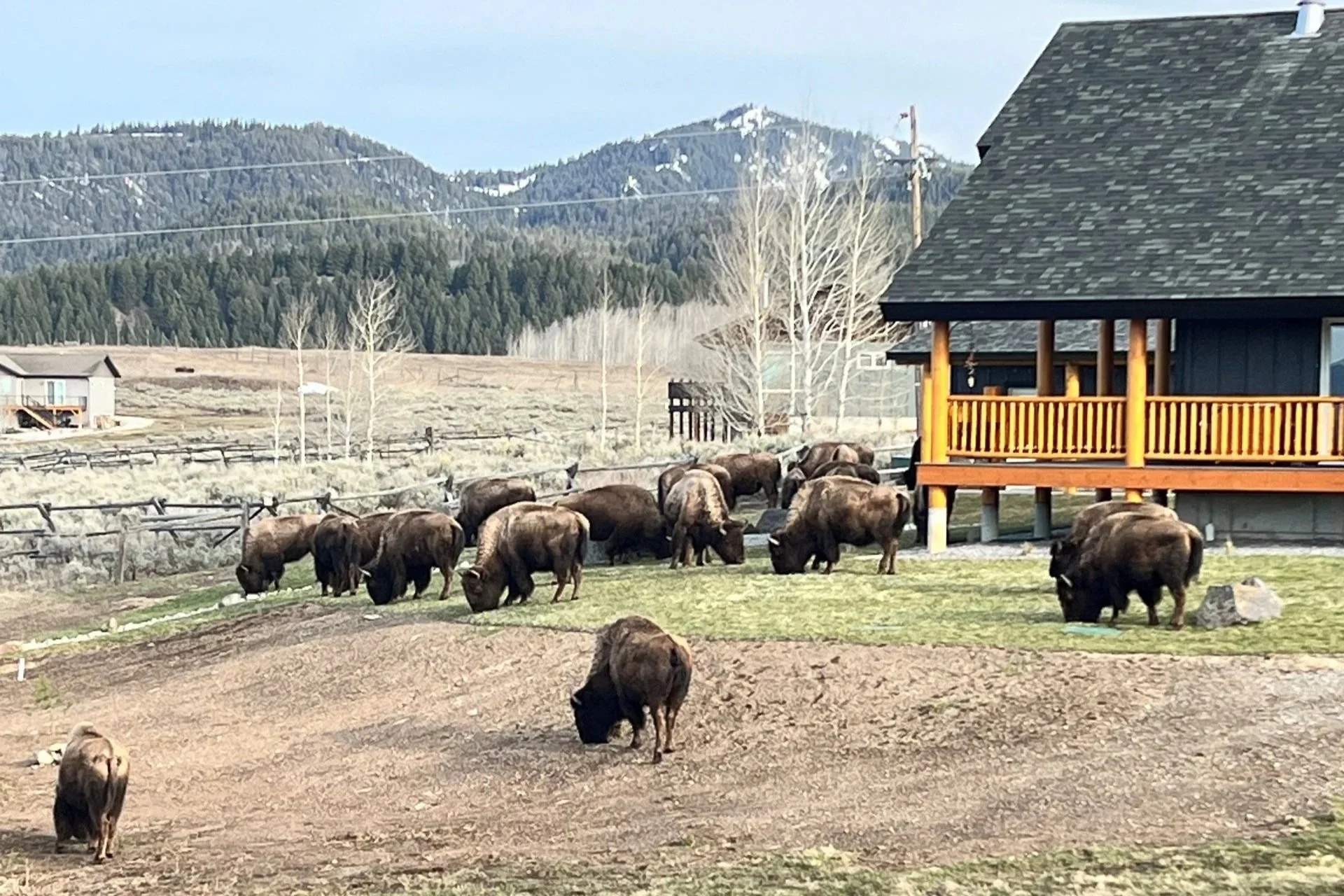
Before: Bison foraging on grass in the yard.
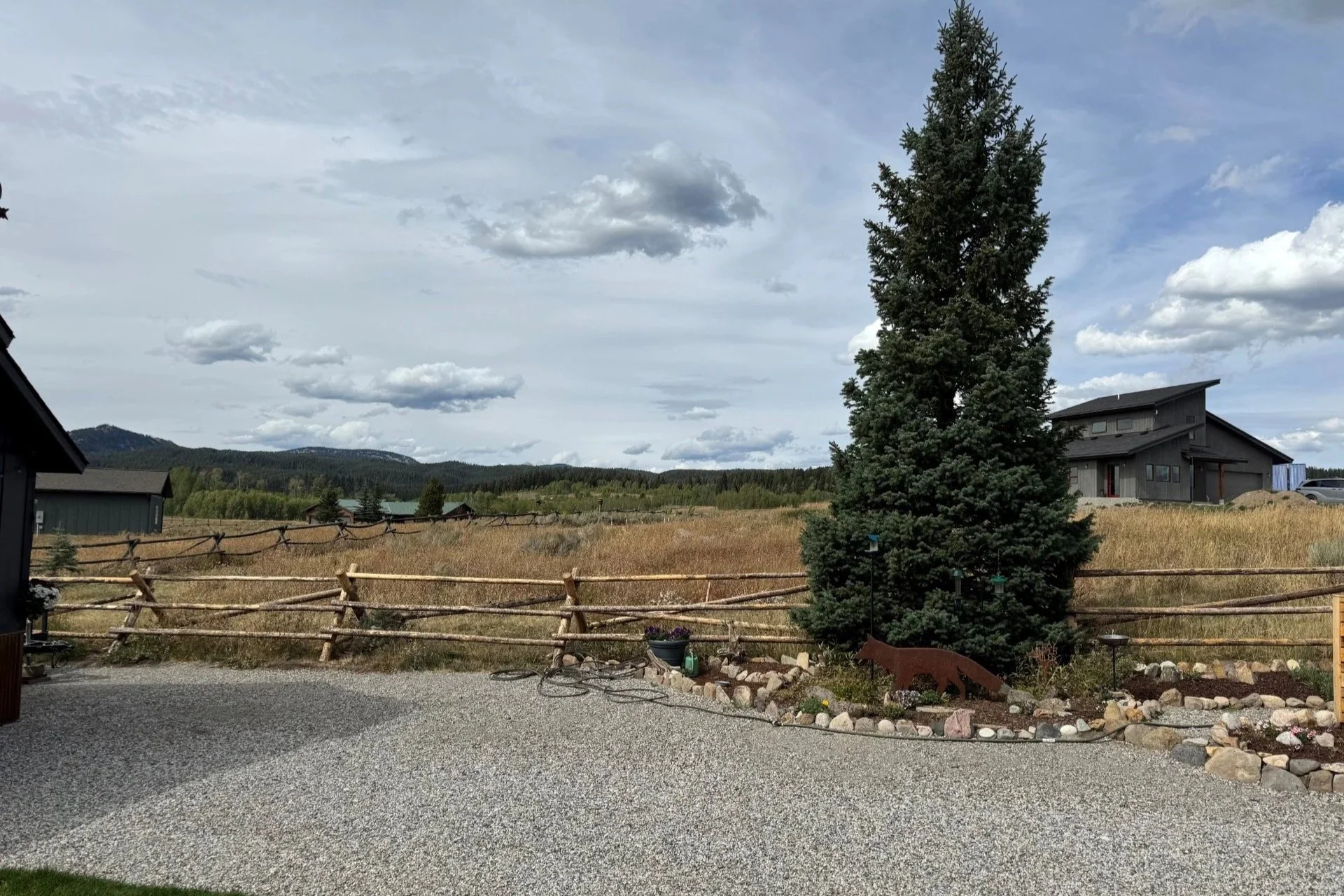
After: The fence around the property now helps keep bison out.
It’s exciting to see these on-the-ground projects helping prevent property damage and reduce conflicts between people and bison, while supporting the broader goal of restoring bison to more of their historic range. Every successful coexistence project helps demonstrate that bison restoration doesn't have to come at the expense of the people and communities who share the landscape with them. These projects make a tangible difference for landowners while helping build the tolerance needed for bison to thrive beyond Yellowstone's boundaries.
An enormous thank you to all the landowners who have participated in the Yellowstone Bison Coexistence Project and helped make coexistence possible for this remarkable species. We also thank our partners at Defenders of Wildlife for their long-standing commitment to supporting this important work and making these projects possible.

—Shana Drimal, Wildlife Program Manager
Thank you to the landowners for sharing their photos above!