Why Snow is Our Most Valuable Water Resource
If you live in the Greater Yellowstone Ecosystem or have visited this winter, you’ve probably noticed that something is missing: snow. It’s been a notably warm, low-snow season, and while a single winter doesn’t tell the whole story, it reflects a broader trend unfolding across Greater Yellowstone and the American West.
Cold, clean water is the lifeblood of this ecosystem, supporting iconic fish and wildlife, thriving communities, and robust recreation and agricultural economies. Historically, 70-80 percent of the West’s water supply has come from mountain snowpack. Increasingly, that natural system is under strain.
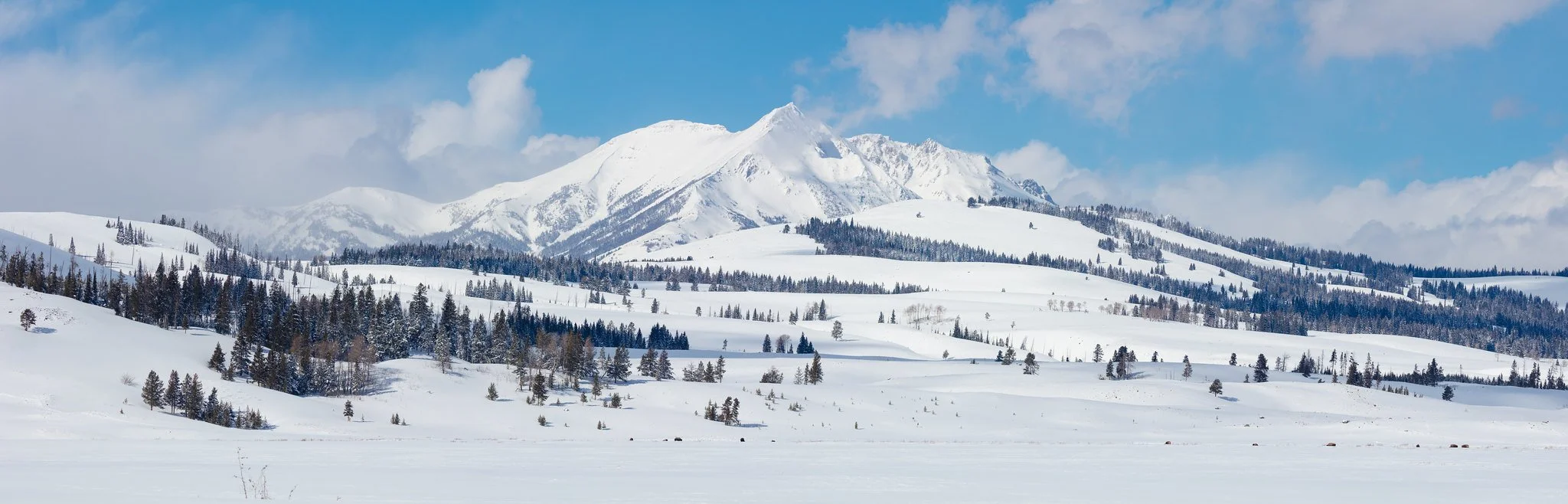
Snow covers Swan Lake Flat and Electric Peak. Photo NPS/Jacob W. Frank
Across Greater Yellowstone, a growing share of winter precipitation is falling as rain instead of snow—a shift scientists widely attribute to a warming climate. That distinction matters. Snow that accumulates in the mountains acts as a slow-release reservoir, melting gradually through spring and summer to sustain rivers, wetlands, and groundwater when water is needed most. Scientists track the amount of water contained in the snowpack using a metric called snow water equivalent.
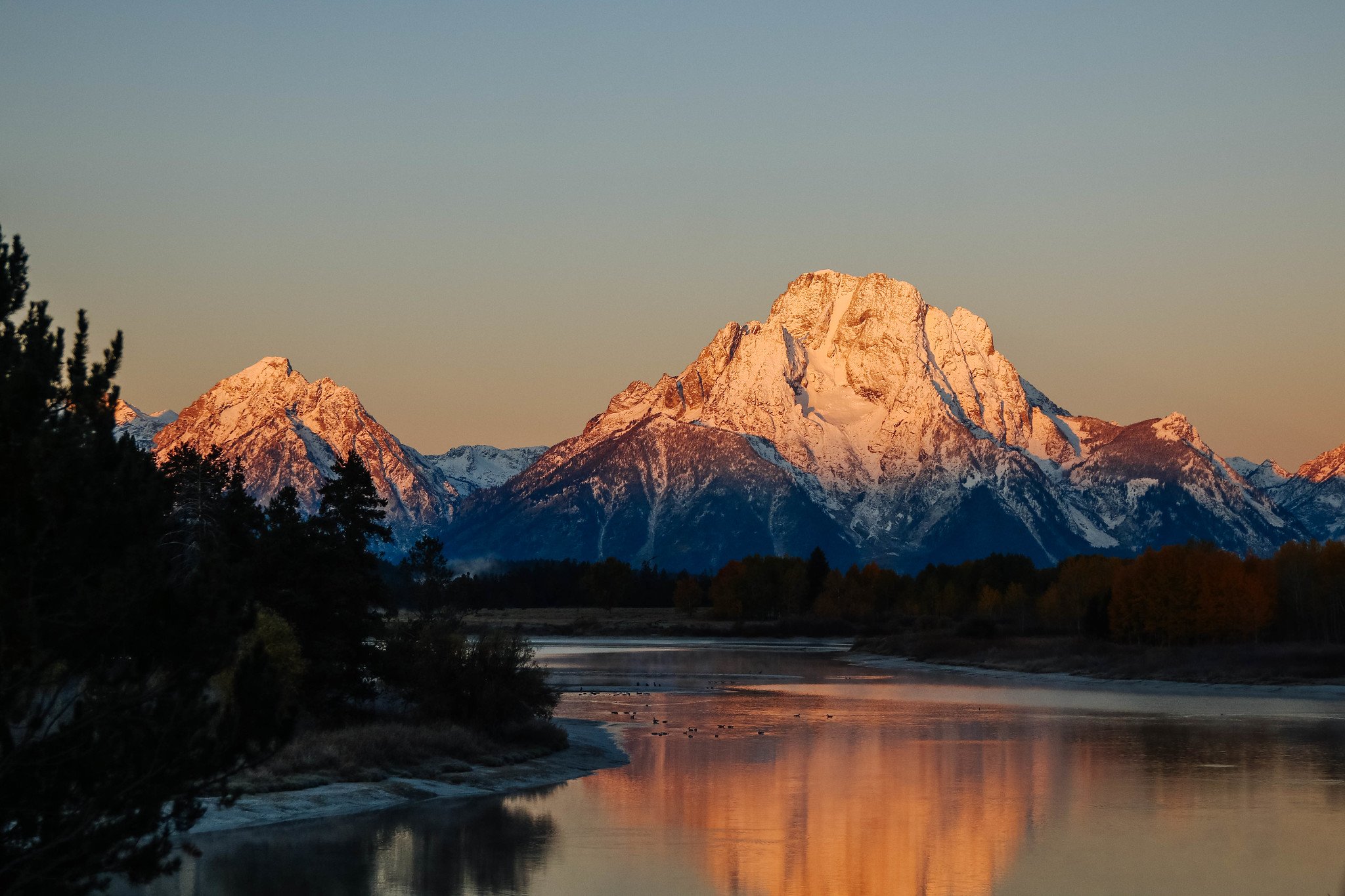
The Snake River runs below snowy peaks in the Teton Range. Photo NPS/Bonney
Rain behaves differently than snow. It moves quickly through the landscape rather than storing up for later use. Warmer storms can also accelerate snowmelt, depleting the snowpack earlier in the year. The result is less cold water available during the hottest, driest months—when ecosystems, agriculture, and communities are under the greatest stress. Streams warm, habitat for native fish shrinks, and in extreme cases, waterways may stop flowing altogether during the driest parts of the year.
The Greater Yellowstone Ecosystem is the headwaters of the West, meaning reduced snowpack here affects water availability far downstream for drinking water, irrigation, wildlife habitat, and recreation.
Unfortunately, we can’t just make it snow more. But we can take action to prepare for a warmer, drier future by protecting and restoring the lands and waters that help buffer these changes. This work—often called climate resiliency—focuses not on reversing climate change, but on helping ecosystems adapt so they can continue to function despite ongoing impacts.
Across Greater Yellowstone, this includes
Working to restore the ecological and cultural integrity of the Big Wind River on the Wind River Indian Reservation
Advocating for durable river protections with new Wild and Scenic River protections on iconic streams in Montana
Implementing a climate adaptation and restoration project at Crowheart Warm Springs on the Wind River Indian Reservation
Working with federal agency partners to identify priority areas for habitat restoration projects on public lands in the GYE
Collaborating with strategic partners to craft a comprehensive conservation and restoration plan for the Upper Yellowstone Watershed
Partnering with state agencies and conservation partners to identify, protect, and re-establish critical habitat for Yellowstone cutthroat trout
Working on policy to reintroduce beavers on appropriate lands for habitat restoration along rivers, creeks, and wetlands
Collaborating with regional federal land management agencies to finalize, fund, and implement a ten-year, regionwide climate adaptation action plan
Not all frozen water responds to warming in the same way. Snowpack is highly sensitive to temperature and can disappear quickly during warm winters and springs, while glaciers and rock glaciers release cold water more slowly and consistently. We explore these differences and what they mean for Greater Yellowstone in a recent episode of the Voices of Greater Yellowstone podcast featuring Dr. Scott Hotaling, a leading expert in mountain ecology and hydrology at Utah State University.

– Sierra Harris, Climate and Water Conservation Manager [Bozeman, MT]