Millions of Acres Protected.
One Proven Rule.
Protect clean water, wild places, and Greater Yellowstone’s wildlife.
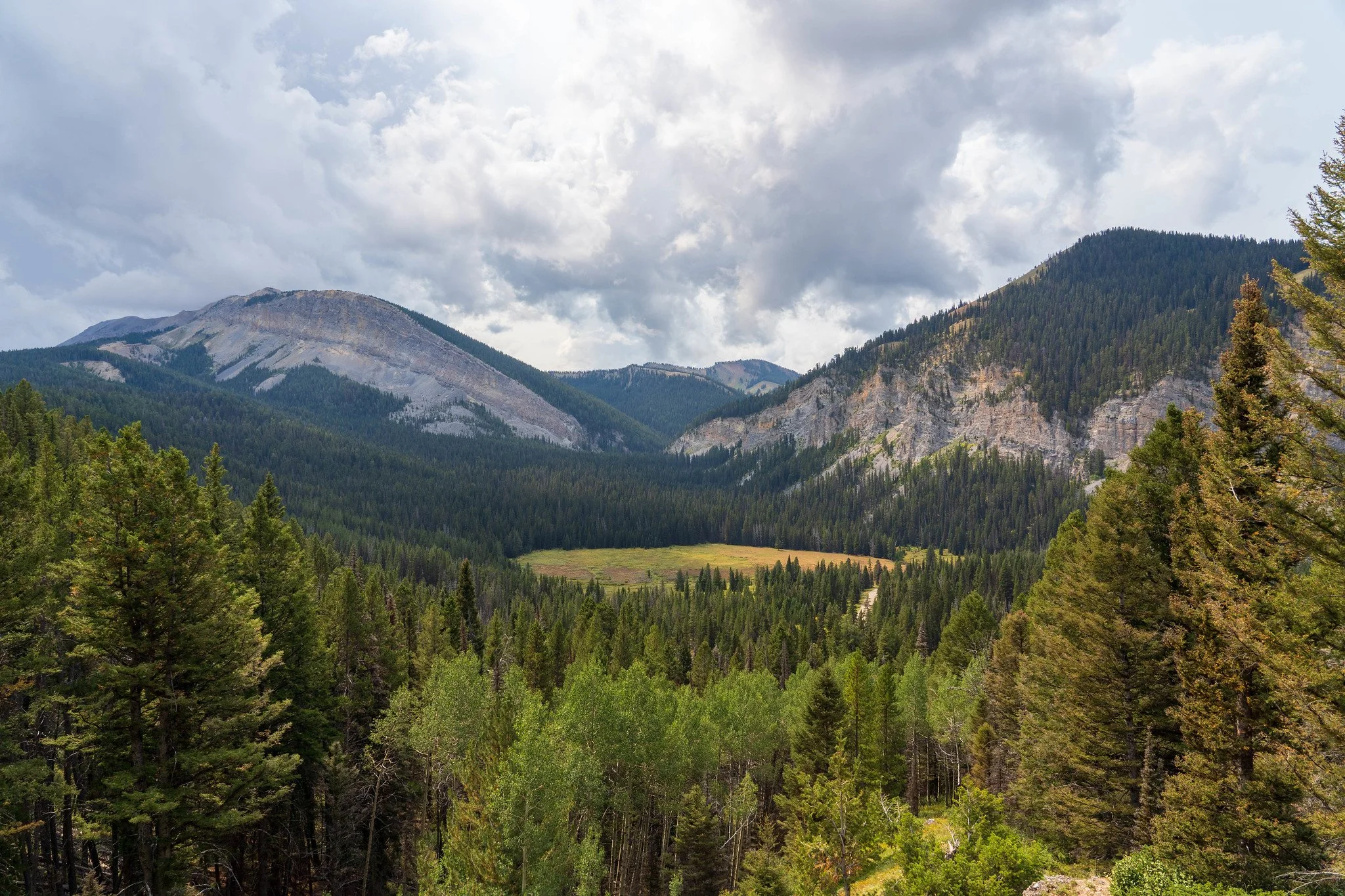
For a quarter century the Roadless Area Conservation Rule, or the Roadless Rule, has proven an effective tool in protecting some of the wildest and most pristine public lands in the Greater Yellowstone Ecosystem and in National Forests across the West.
Now, these forest lands are under threat by the proposed rollback of the Roadless Rule. Millions of acres of spectacular, undeveloped places are at risk of development. These lands are the source of our drinking water, home to iconic wildlife, and the heart of our outdoor recreation heritage.
Together, we can be champions for the bipartisan and broadly supported rule that protects the very lands that make the Greater Yellowstone Ecosystem a global icon.
The comment period for the Roadless Area Conservation Rule is now closed.
Please join our online community for more opportunities to take action for Greater Yellowstone.
The proposed rule rollback puts at risk 10 million acres of undeveloped backcountry forest lands in Wyoming and Montana. Nationwide, 45 million acres are at risk. The current proposal to rollback the rule excludes Idaho and Colorado, which have their own Roadless Rules.
These forests are the source of drinking water for millions of Americans, they protect our communities from wildfires, and they offer critical habitat for elk, birds, fish, grizzly bears, and wolves.
Drinking Water
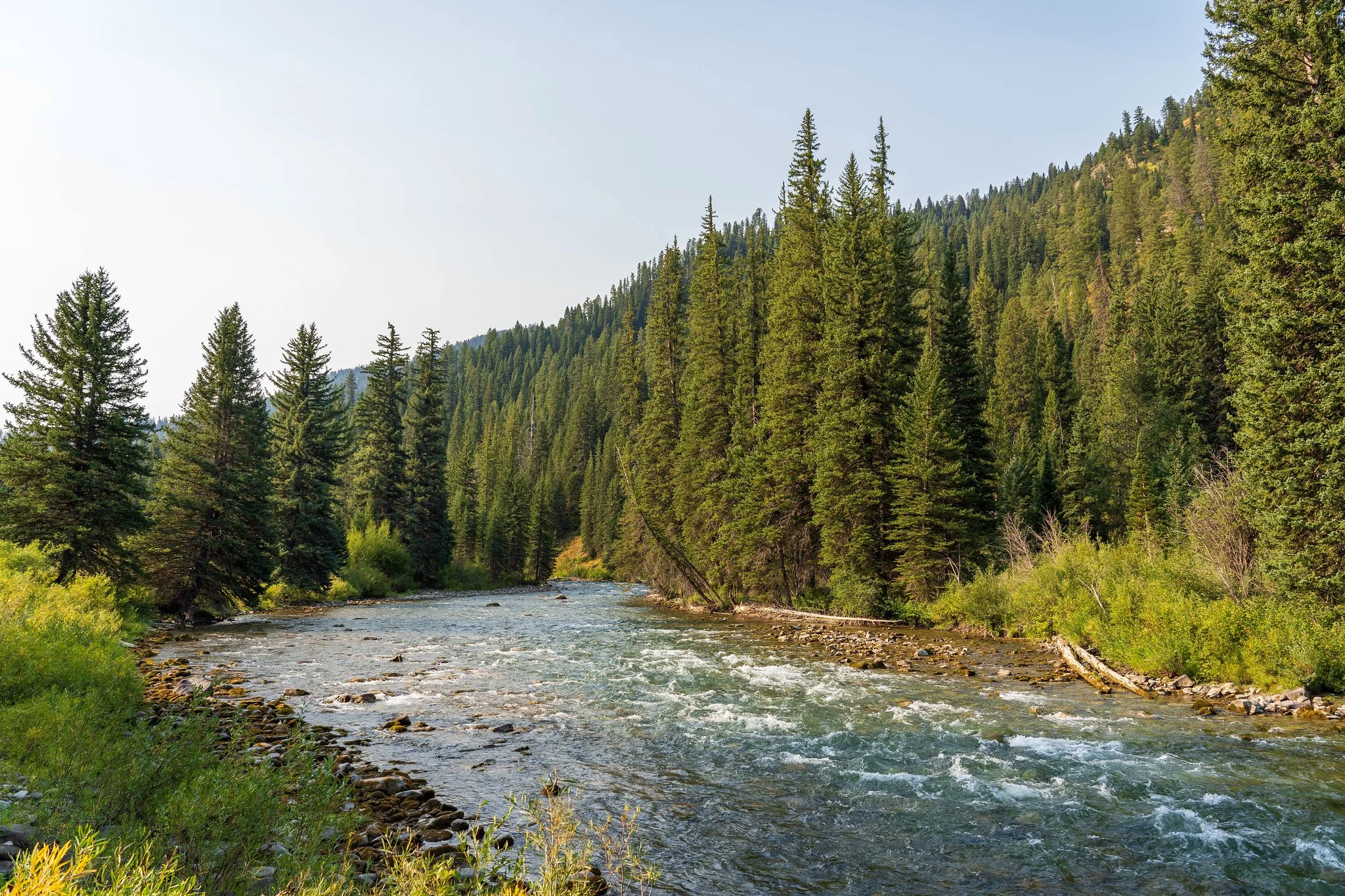
What happens to our public lands happens to our drinking water. Our great rivers and tap water begin as rain and snow on National Forests. These forests naturally filter water and are the largest source of municipal water supply in the nation, serving more than 60 million people in 3,400 communities in 33 states. Roads are not only a major cause of water pollution—they disrupt the healthy forests that supply our water. The Roadless Rule is vital for maintaining clean drinking water for communities across the country.
Wildfire Prevention
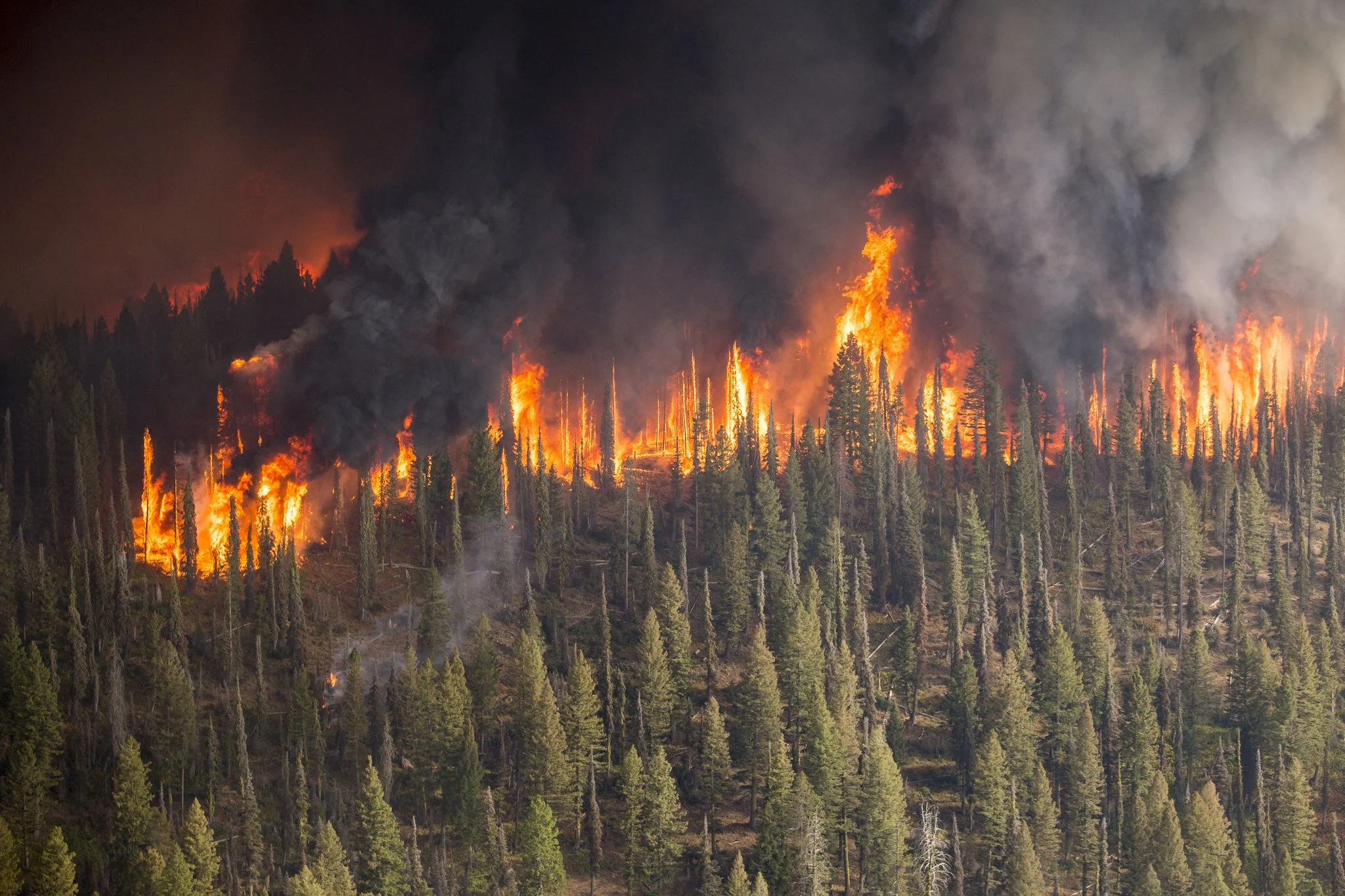
More roads mean more risk of wildfires. Rolling back the Roadless Rule will lead to more wildfires. New research shows that from 1992 to 2024, wildfires were four times as likely to start in areas with roads than in roadless forest tracts. Another study showed that more than 90 percent of all wildfires nationwide occurred within half a mile of a road.
Wildlife Habitat
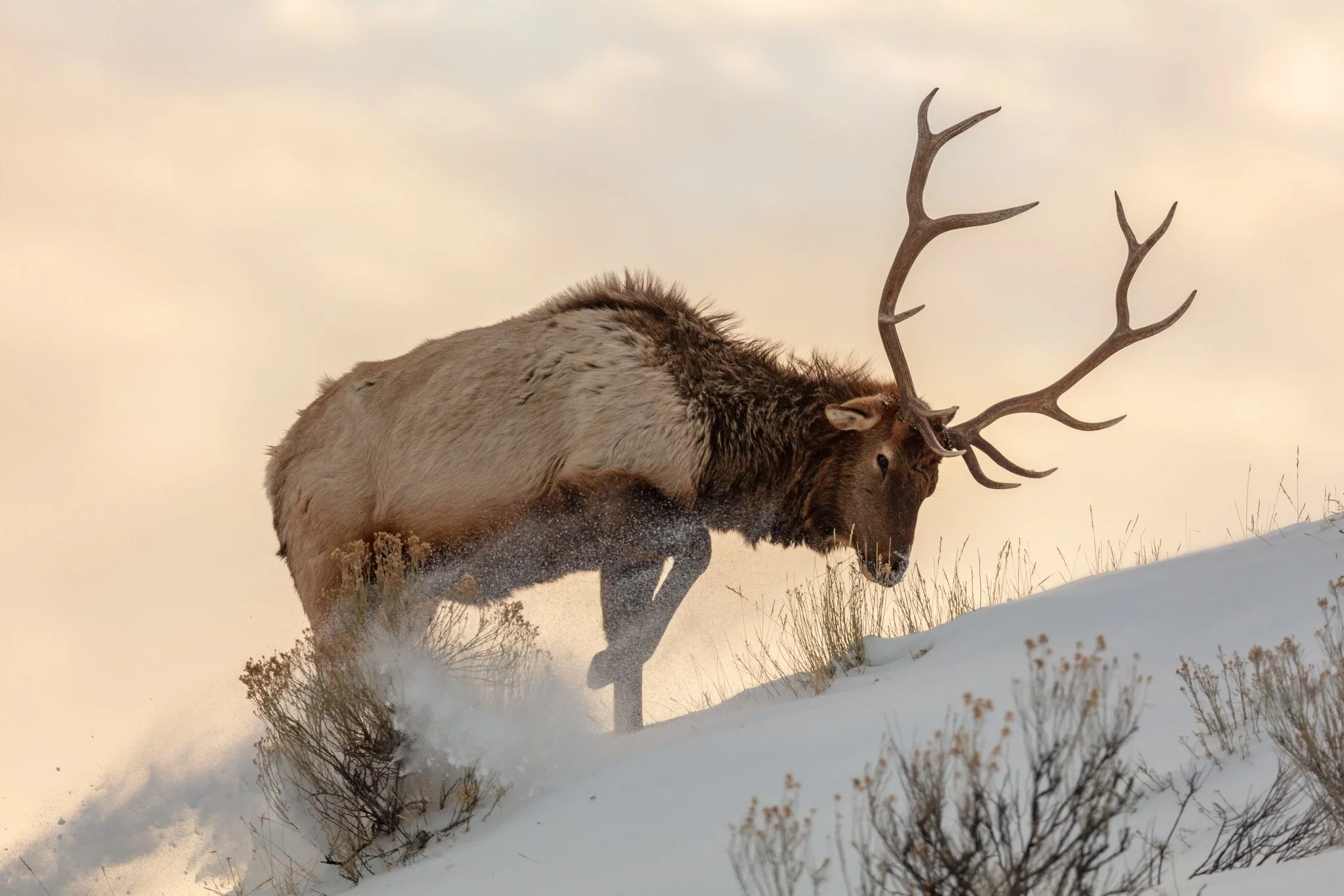
These public lands are large, connected, and wild, providing critical habitat for elk, birds, fish, grizzly bears, and wolves. Because they are not fragmented by roads, these areas provide much needed habitat for many species that are vital to the health of our ecosystem. In Montana, 93 percent of roadless areas provide summer range for elk. In Wyoming, 70 percent of roadless areas are elk range three-quarters of the year.
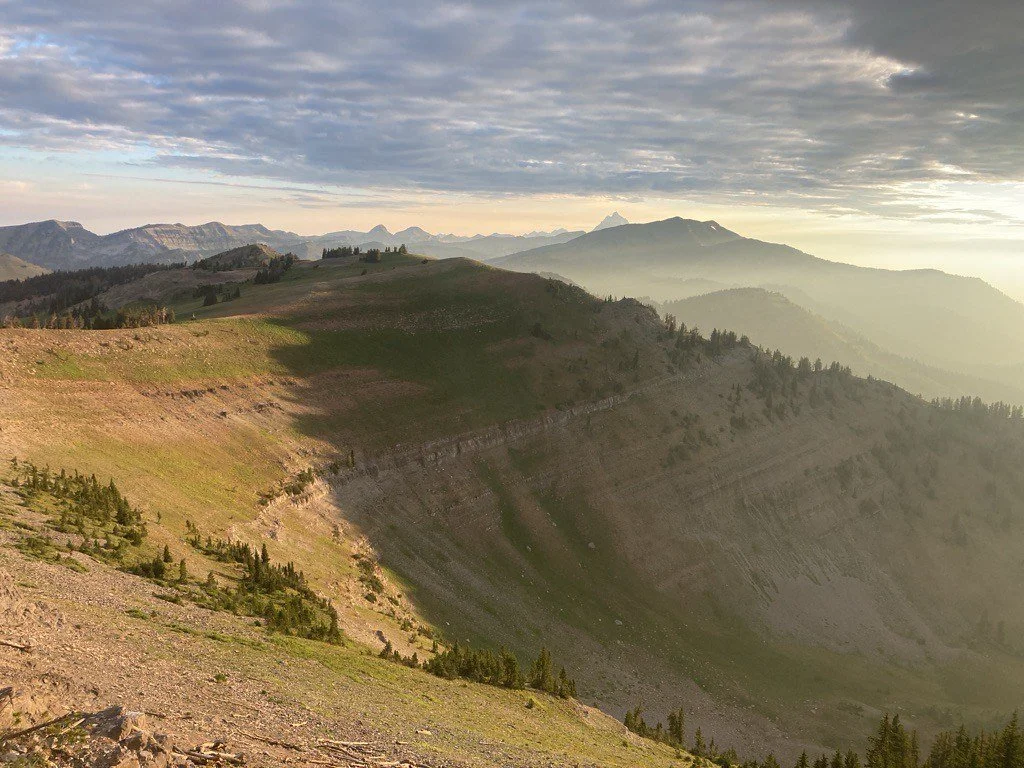
What’s the difference between thriving wildlife and losing big game?
45 million acres. Keep the rule.
The U.S. Forest Service already has a 380,000-mile road system, that’s twice as long as the nation’s highway system. This forest road infrastructure is already so big that the Forest Service can’t afford to properly maintain it, triggering a maintenance backlog that has ballooned to billions in needed repairs. Taxpayers have subsidized this already unwieldy road network and would be stuck footing the bill for any new roads built in backcountry forest areas.
Forest roads already have a $10.8 billion maintenance backlog.
Find Your Roadless Area
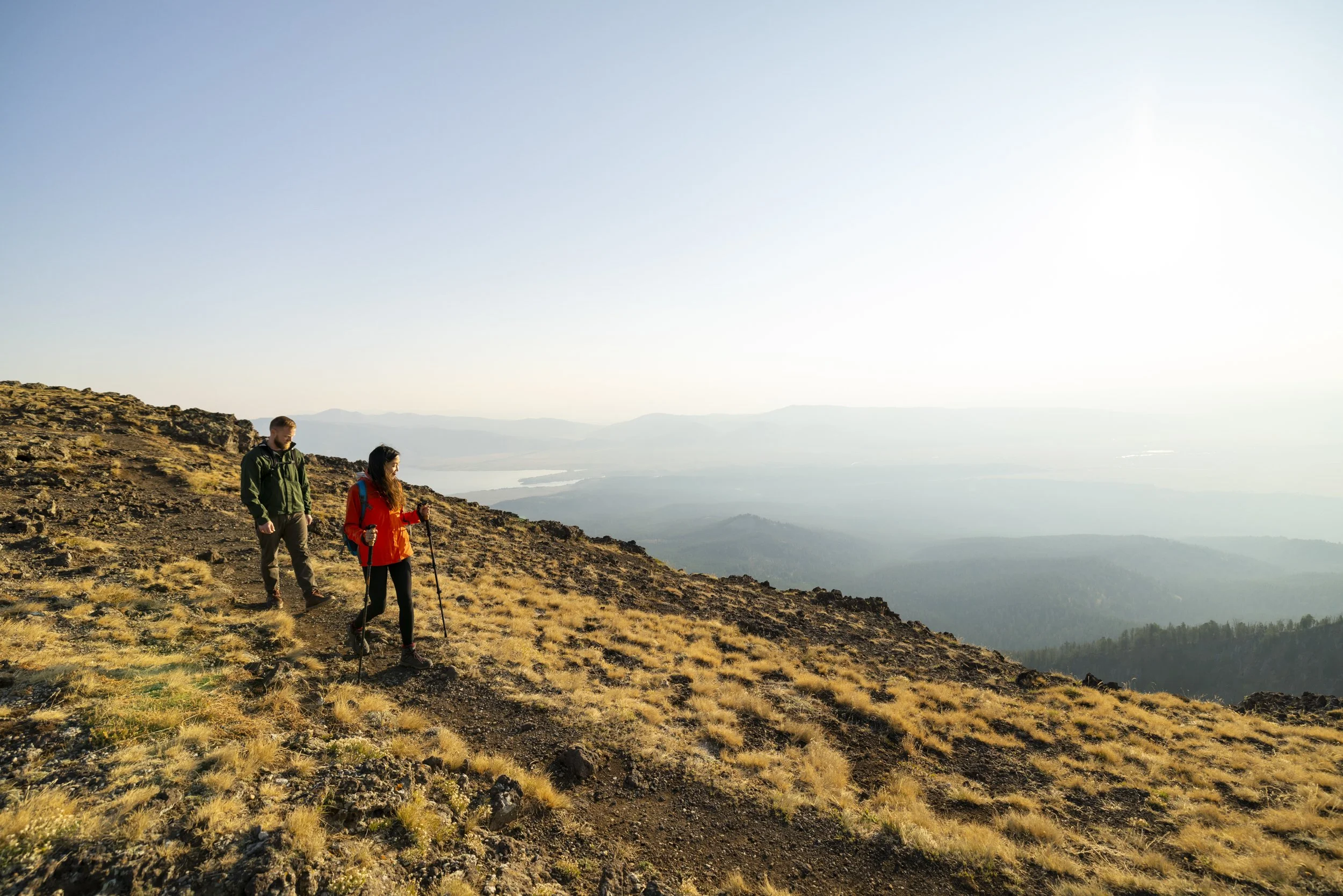
Roadless areas on public lands belong to all Americans. These lands belong to everyone. They connect us to the outdoors, to each other, and to what it means to be an American. Since 2001, protected roadless areas have offered world-class outdoor recreation opportunities like hunting, fishing, and camping. They offer solitude and a deep connection to nature.
Every year, millions of Americans access these public lands. The outdoor recreation economy pumps $1.3 trillion into our communities, responsible for 5.2 million U.S. jobs.

Montana
$3.8 billion impact
32,094 jobs
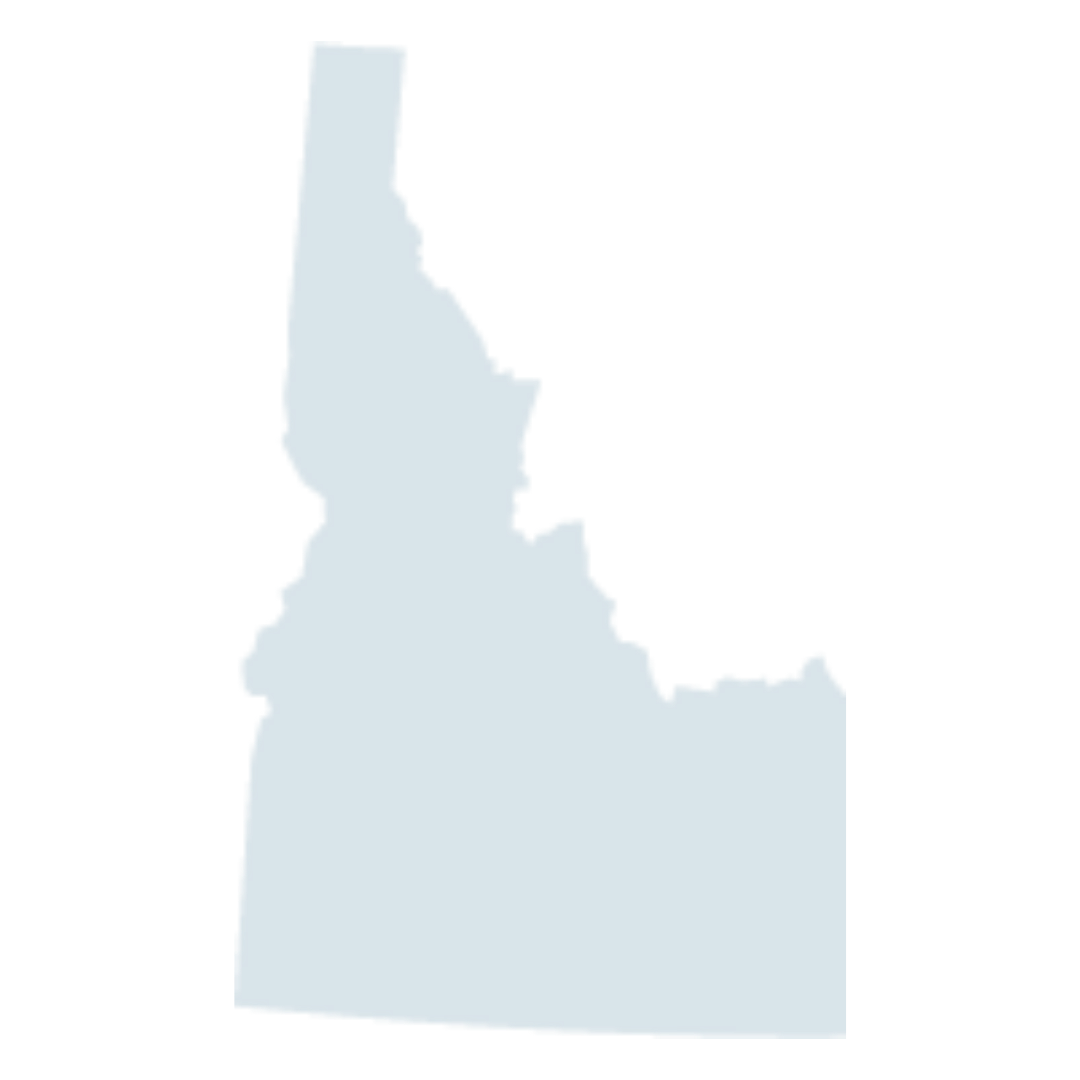
Idaho
$4.5 billion impact
39,228 jobs

Wyoming
$2.3 billion impact
16,545 jobs
One reason the rule has proven to be an effective tool is that it’s flexible. It allows for locally made forest management decisions, and the construction of roads needed to address things like fires, floods, or other disasters.
It’s also widely supported. More than 1.6 million Americans weighed in on the rule when it was implemented back in 2001, largely in support of it. Timber producers have also spoken in support of the rule. The industry already has access to more than 100 million acres of forest lands for logging nationwide.
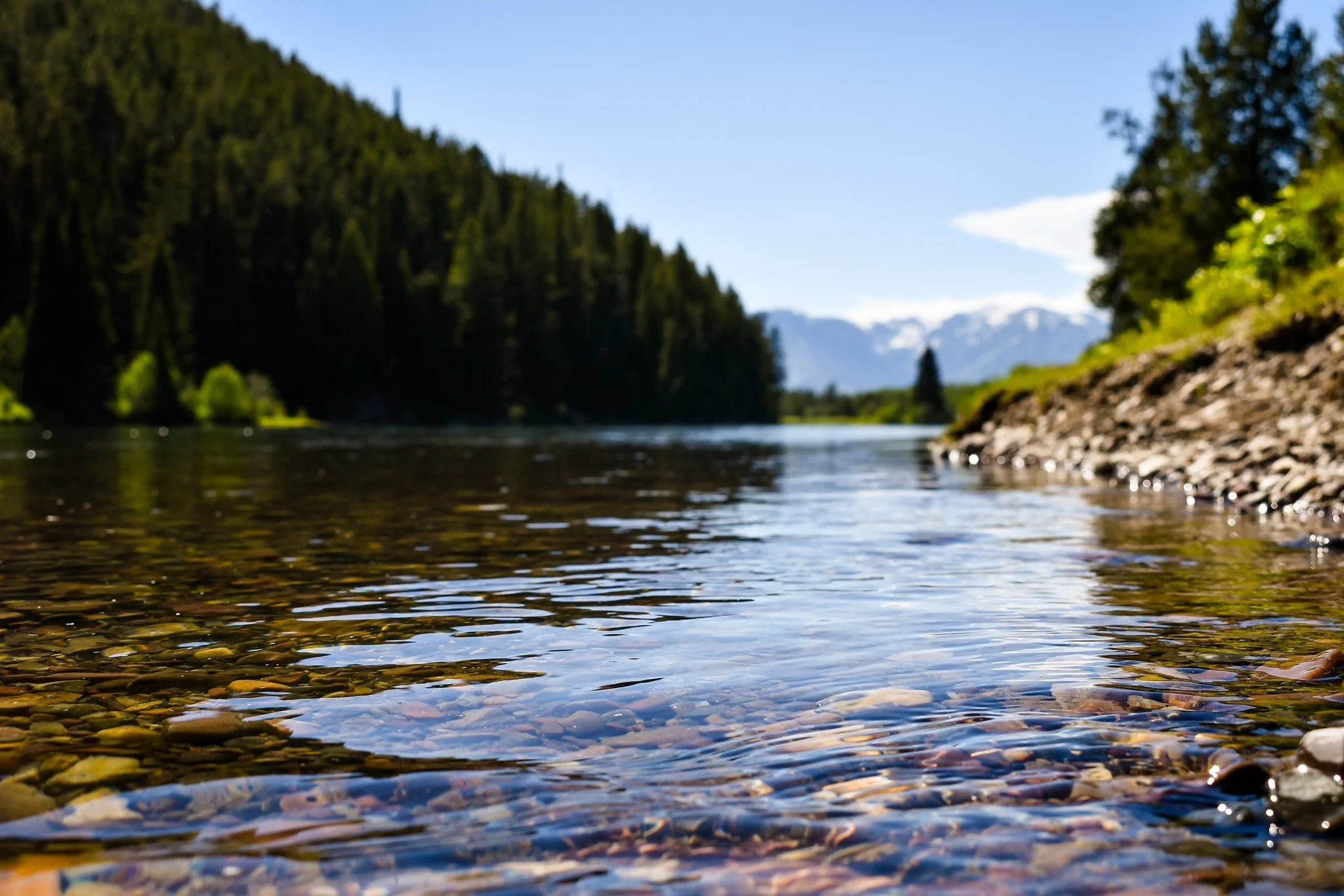
What’s the difference between water you can drink and a dry tap?
45 million acres. Keep the rule.
Roadless Rule Stories
The Fight for Our Public Lands