Grand Targhee Expansion Decision Will Harm Teton Wildlife
In the heart of the Greater Yellowstone Ecosystem, the west slope of the Tetons is characterized by the forested hillsides and remote terrain that provide premium habitat for bighorn sheep, nesting raptors, and other wildlife — but newly approved development on public land here is likely to make their lives much more difficult.
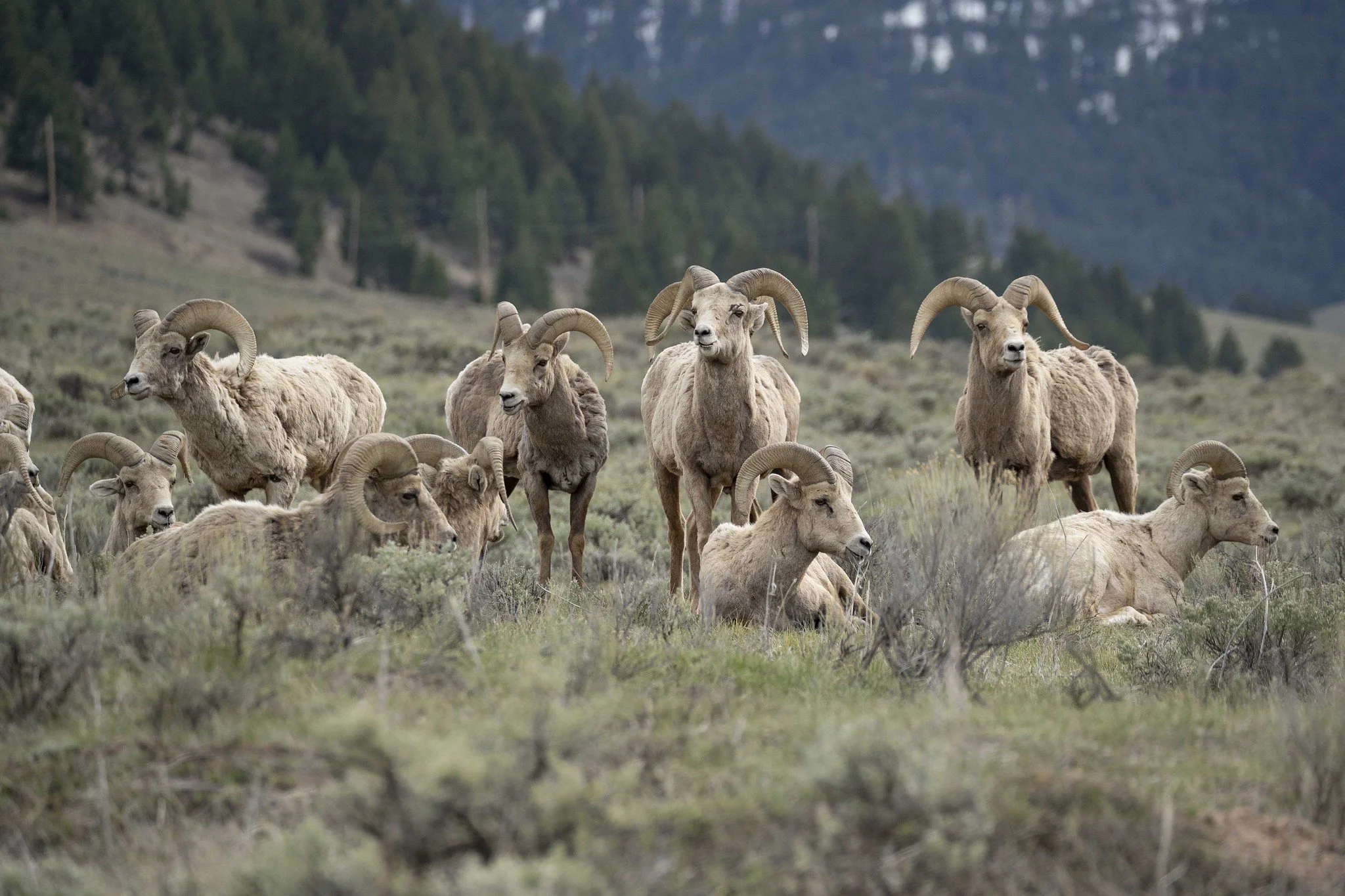
A herd of bighorn sheep in Grand Teton National Park. Photo NPS/M. Nall
That’s a key impact of Grand Targhee Resort’s expansion plan, which the Caribou-Targhee National Forest approved in early June. In its draft decision, the forest granted the resort most of the improvements it asked for, including expanding onto 694 acres of public land not currently included in its special-use boundary. Among other developments, the decision includes:
235 acres of new ski terrain in the South Bowl expansion
459 acres of new ski terrain in the Mono Trees expansion
160 acres of cutting and thinning of trees for new ski runs and glades in the expanded terrain
A mountaintop restaurant that will be visible from Grand Teton National Park
Several new guest facilities across the mountain
29 miles of new summer mountain biking and multiuse trails
Expanded snowmaking
Lights for night skiing
GYC, our partners and advocates, and multiple local governments asked the Forest Service to deny the expansion while allowing improvements within the existing ski area boundary. Instead, the forest approved the expansion with small changes it says will mitigate the wildlife concerns raised. Those changes included paring down the expansion areas by 172 acres and mandating a double-rope line to keep skiers from leaving the ski area.
However, industrial ski resort development will displace iconic wildlife including grizzly bears, wolverines, and bighorn sheep from high-quality habitat within the expansion areas. In the Mono Trees expansion, the forest will need to amend its own standards for protecting nesting pairs of boreal owls, flammulated owls, and American goshawks to allow Grand Targhee to cut down trees for new ski runs.
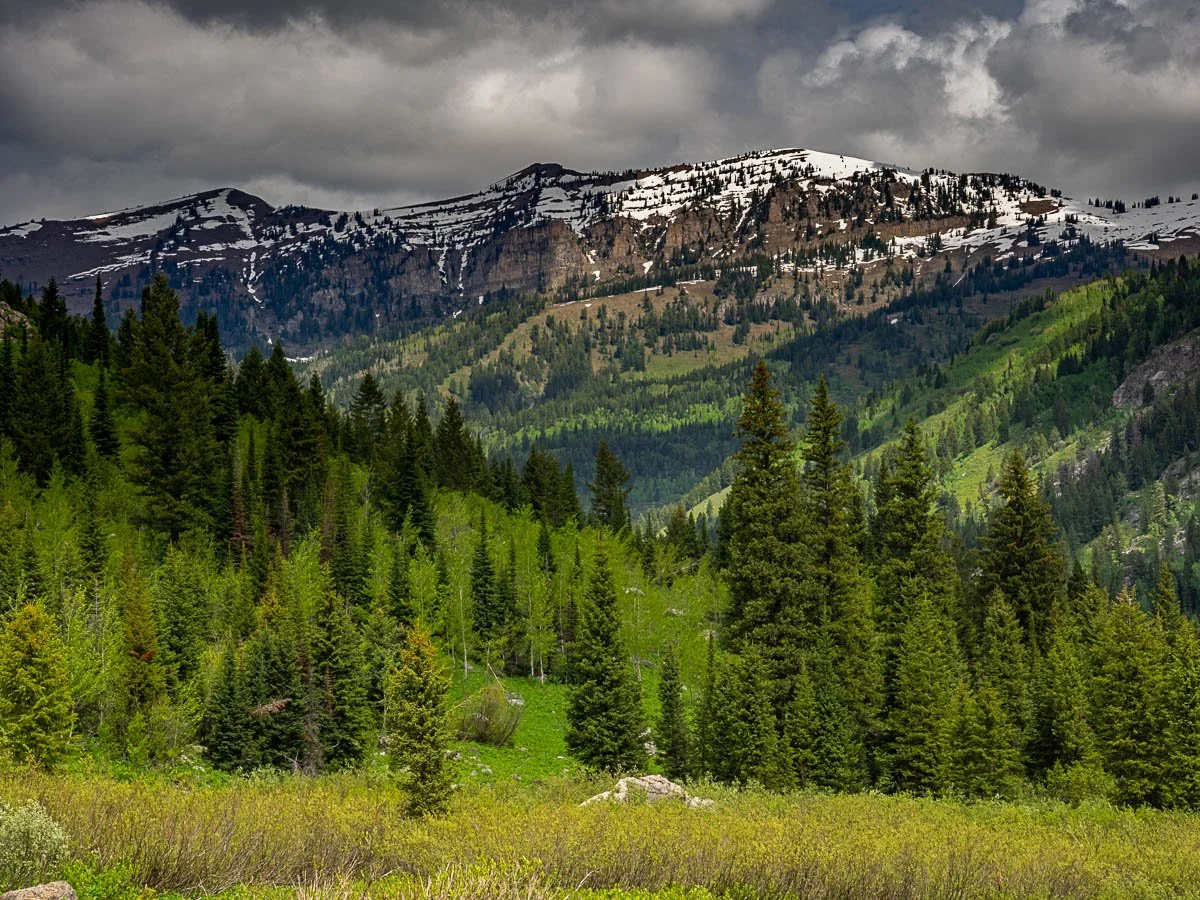
A summer view of South Bowl, part of the undisturbed public land included in Grand Targhee Resort’s expansion proposal. Photo Howie Garber
In South Bowl, according to the forest’s own findings, the expansion is likely to irreparably harm the Teton Range Bighorn Sheep Herd. The Wyoming Department of Game and Fish categorizes the Teton sheep as one of its four core, native herds, which it prioritizes for conservation.
South Bowl is high-quality summer and fall habitat for Teton bighorns, and they use it year-round to access the Apostle Cliffs Mineral Lick lower in Teton Canyon. Collar data show about one-third of the herd uses this mineral lick for critical nutrients not found in the scraggly alpine plants they eat. Expansion into South Bowl will likely cut off access to the mineral lick and harm the viability of the herd, but the forest allowed expansion anyway.
Many who commented on the Draft Environmental Impact Statement in 2025, GYC included, hoped the forest would choose a middle ground that balanced public land and wildlife with the resort’s need to improve existing infrastructure. Now that the Forest Service has released the draft decision, only those who commented on earlier stages of the project have standing to file a formal objection, including those who did so through our call to action in June 2025.
Objections to the decision and project-specific forest plan amendments that circumvent the standards for protecting nesting raptors are due July 13. A second objection period, ending July 28, covers a programmatic forest plan that changes management principles for the expansion areas to allow industrial ski area development.
GYC, partners, and local governments are currently drafting and weighing objections. Those who file formal objections may be able to negotiate with the Forest Service and the resort in hopes of mitigating the wildlife impacts expansion would cause. Without objections being filed, Grand Targhee could begin construction this summer.
We hope objections lead to substantive changes that provide better outcomes for critical wildlife in the western Tetons. No matter what happens during this next phase, we will continue to stand up for a balanced approach that protects wildlife and our beloved public lands.
If you commented on the proposal last year, you may file a formal objection here.
– Tom Hallberg, Idaho Conservation Associate [Driggs, ID]