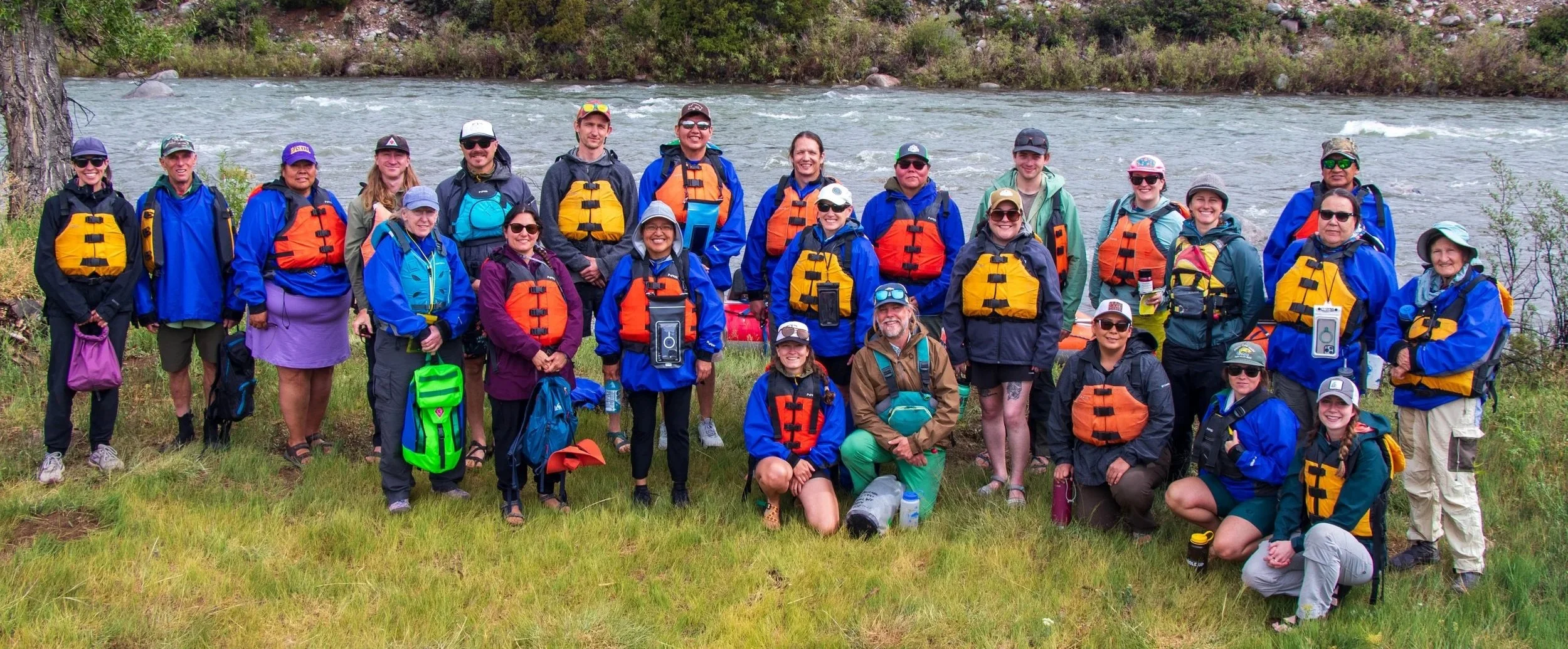
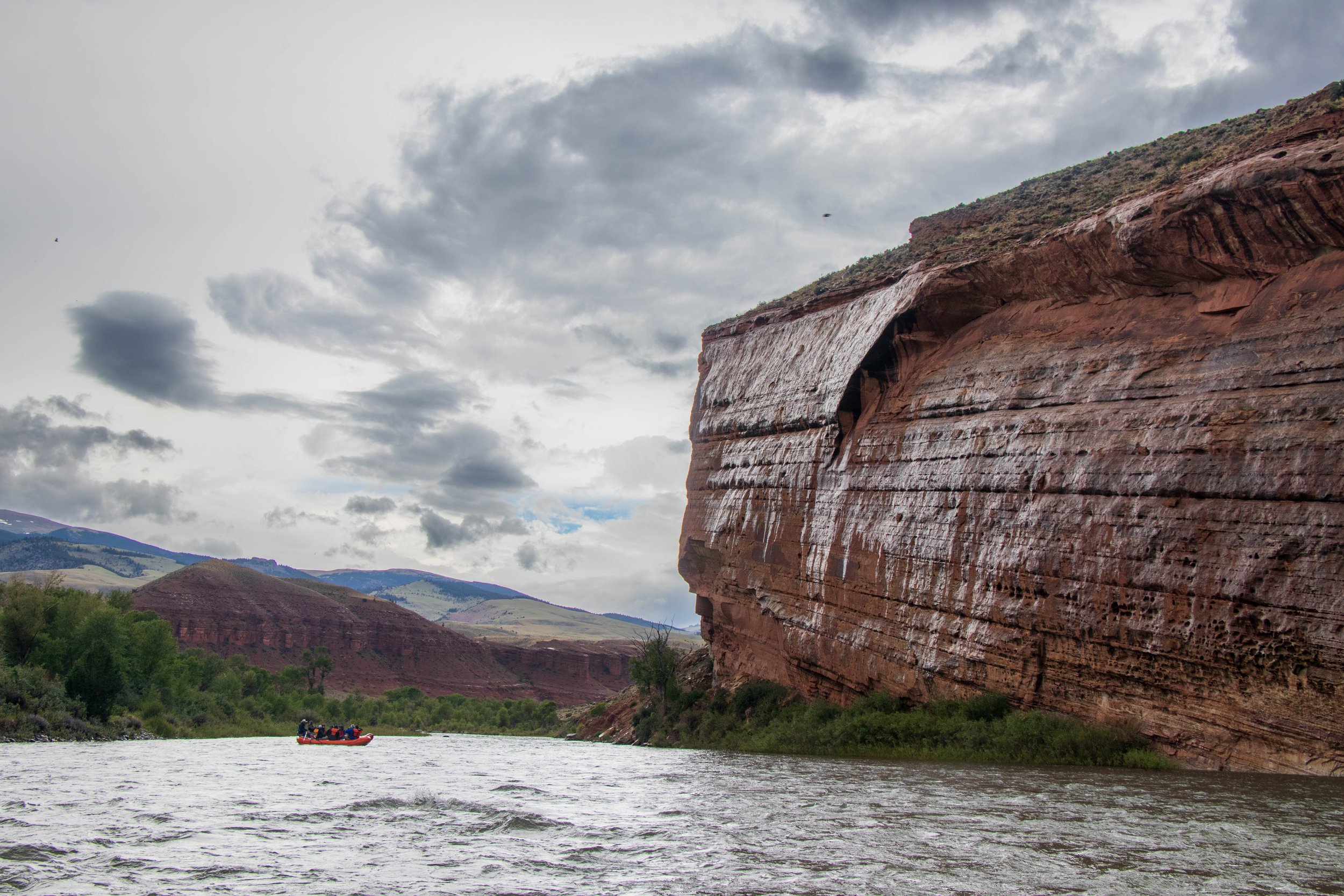
On a stormy day in June, 25 tribal partners, community members, university researchers, and conservation partners floated a 10-mile stretch of the Big Wind River – demonstrating that when we work together, we’re greater. The time on the river fostered conversation and connection that strengthened relationships, explored ecological conditions, and refined collaborative research priorities that honor and align with tribal interests.
Join us to hear from Greater Yellowstone Coalition staff who were on the float and see their experience through the lens of a camera.
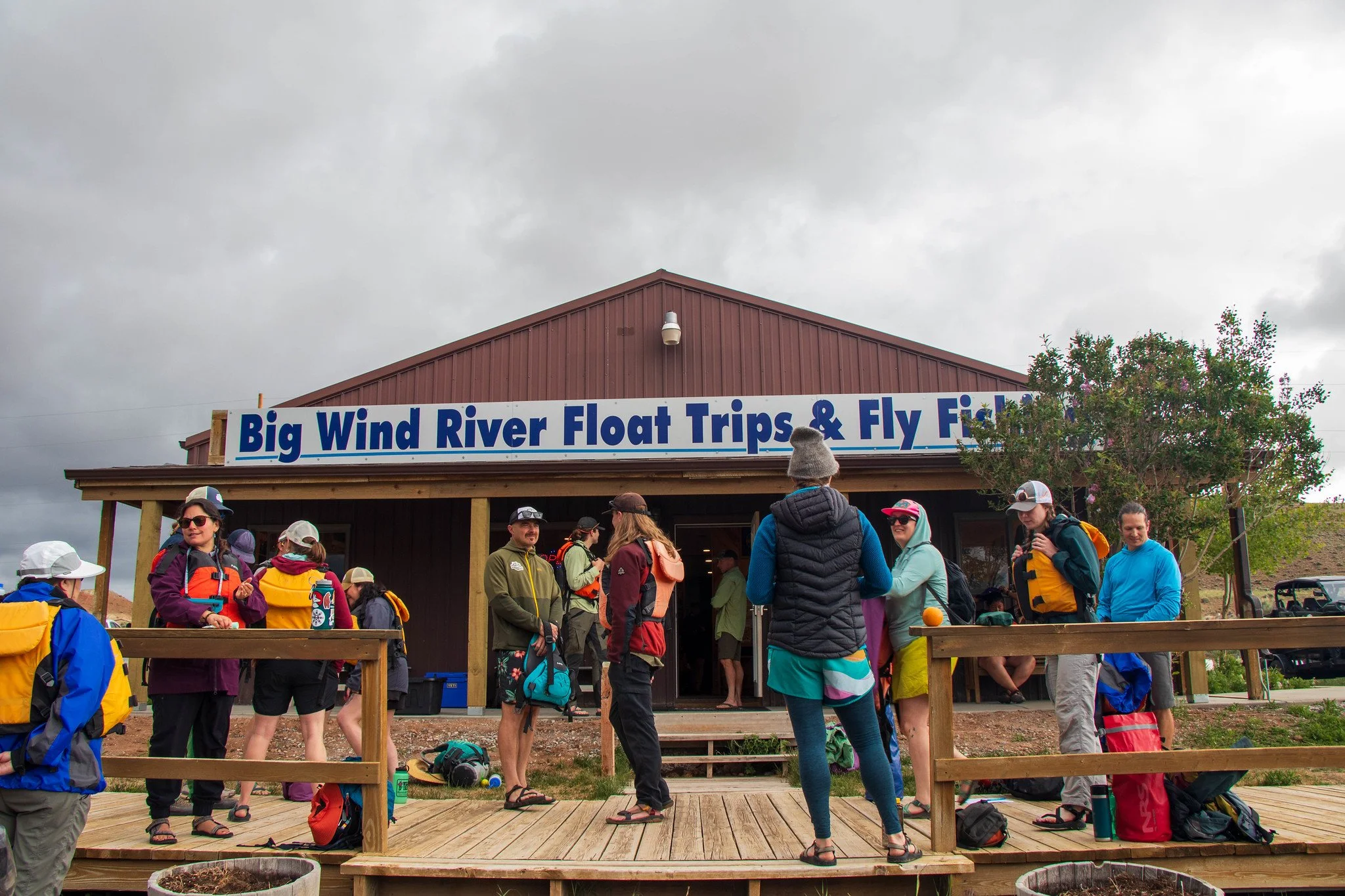
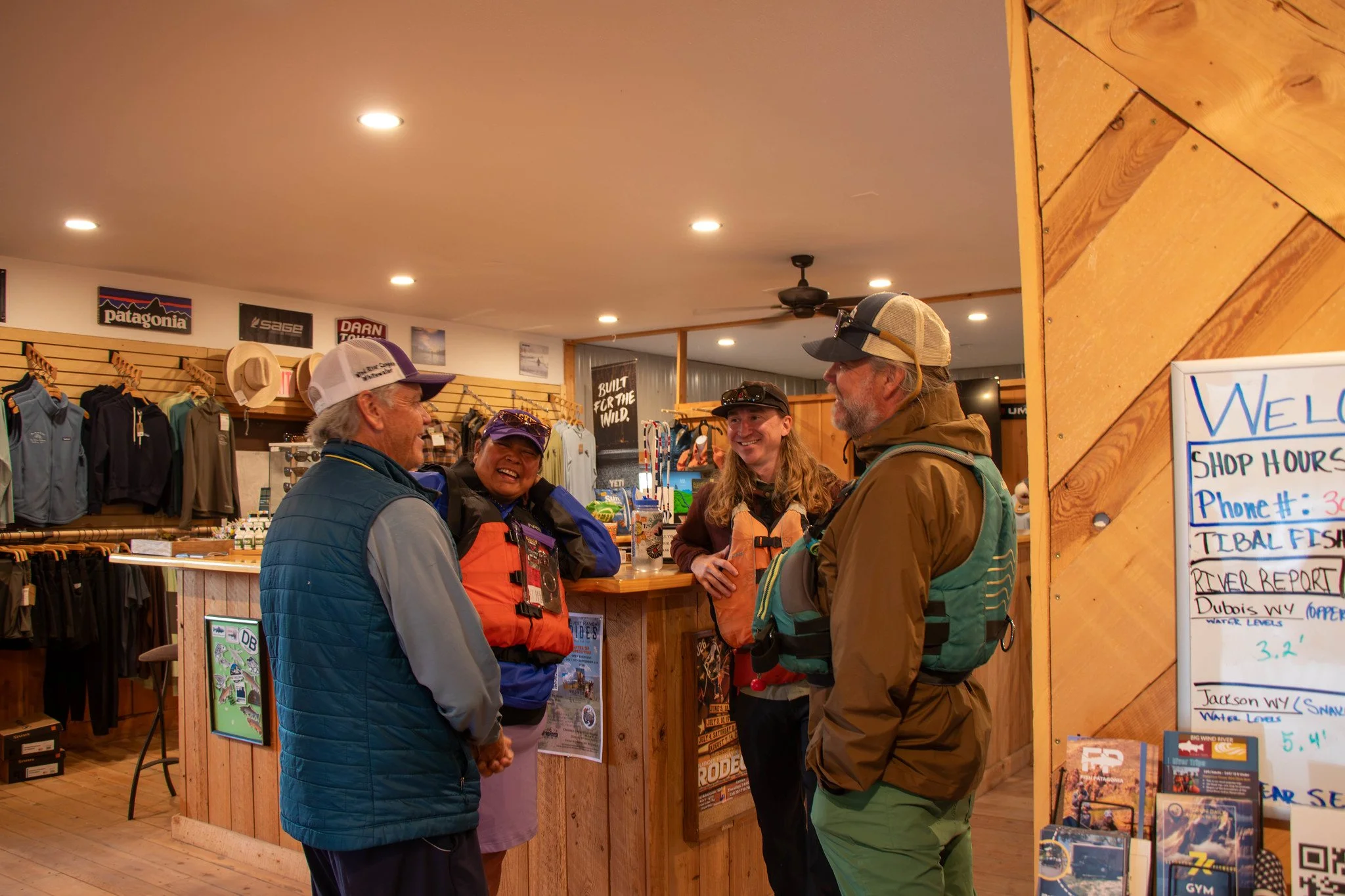
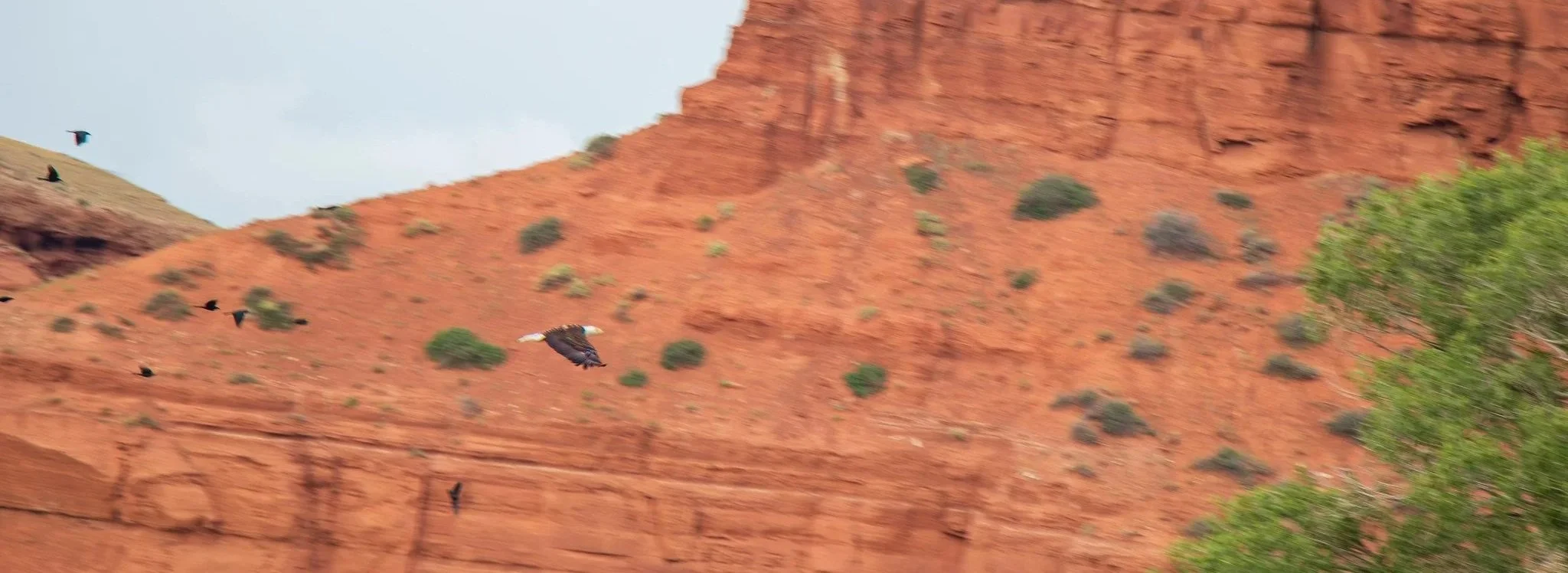
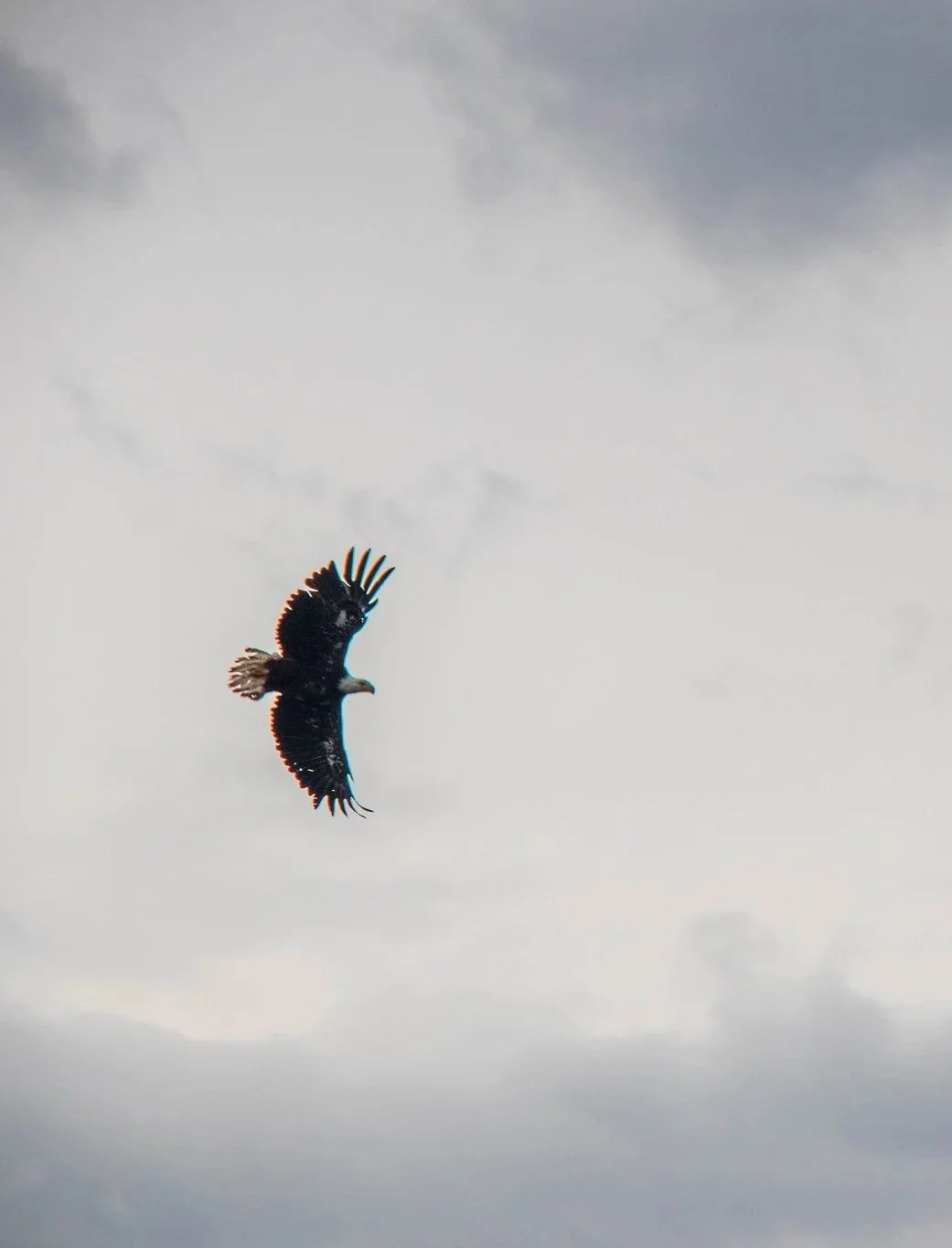
“Despite the rainy, stormy weather, the day reminded us that some of the most memorable experiences happen when conditions are less than perfect. We shared thoughtful conversations, plenty of laughter, and a few exciting moments navigating around boulders that nearly sent a few of us into the river. Along the way, we were fortunate to spot a river otter, a bald eagle, and healthy cottonwood galleries, all powerful reminders of the resilience and vitality of the Big Wind River. More than anything, the float reinforced the value of spending time together on the water, learning from one another, and strengthening relationships.”
—Colleen Friday, Wind River Conservation Associate
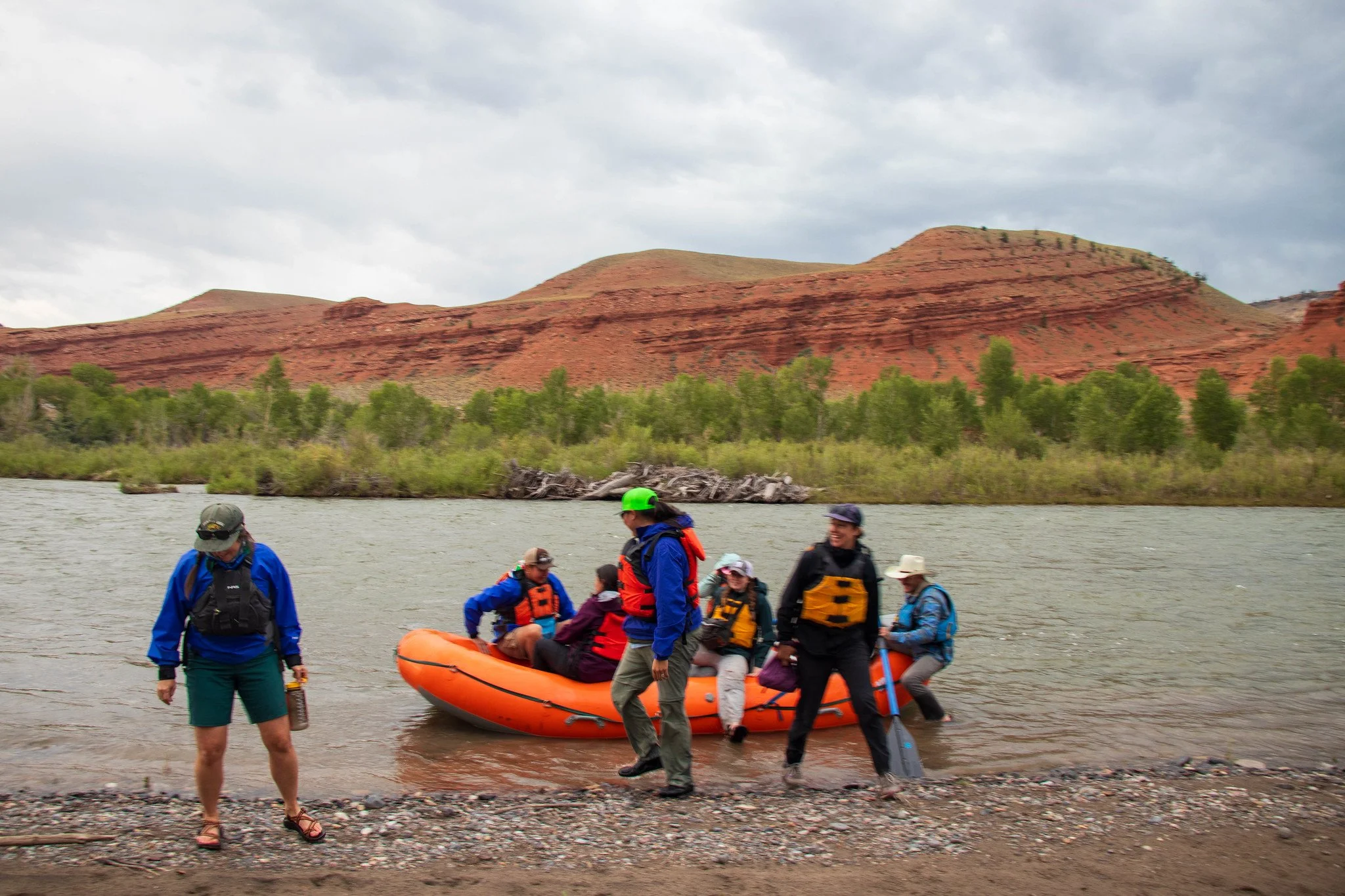
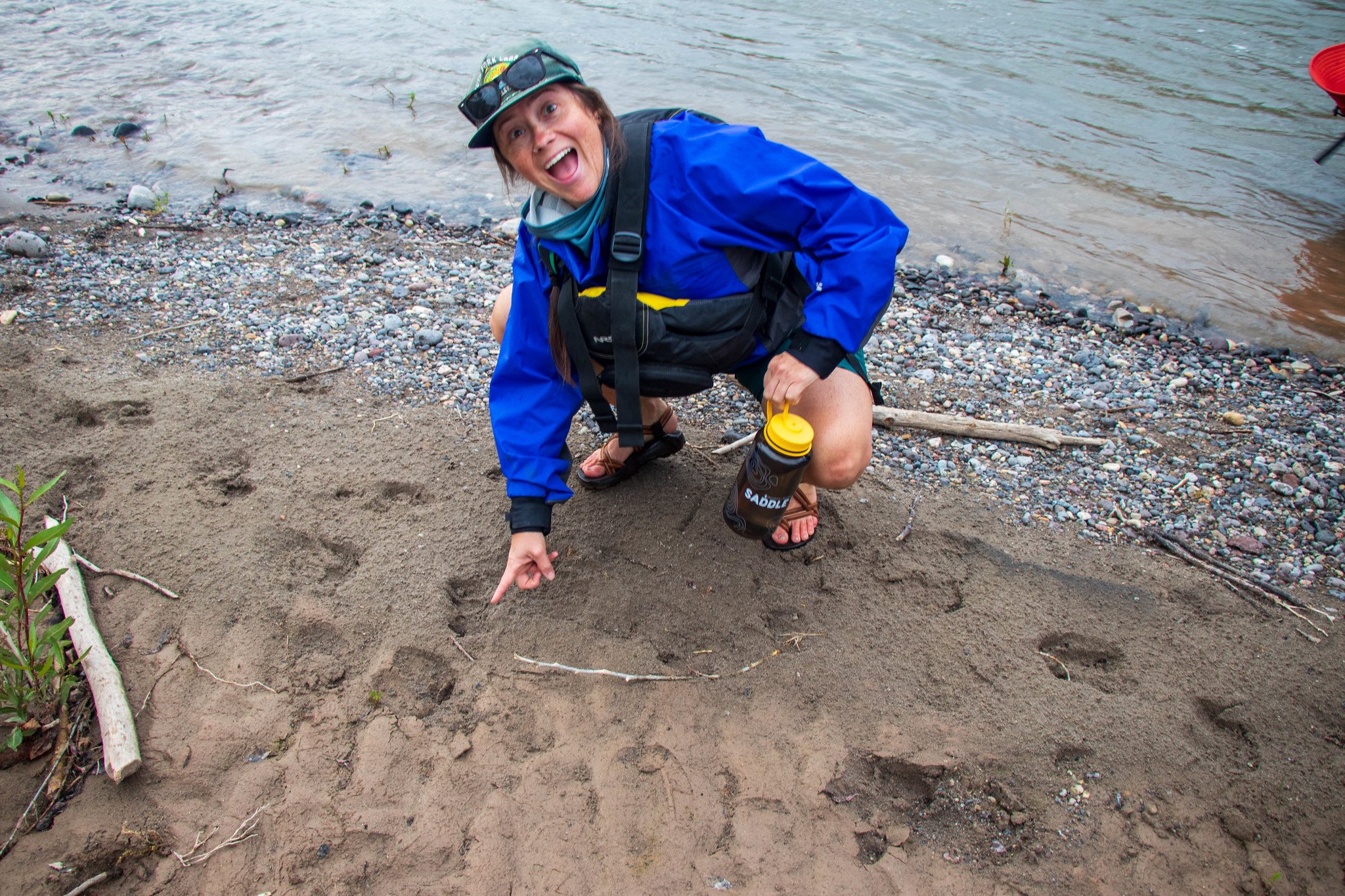
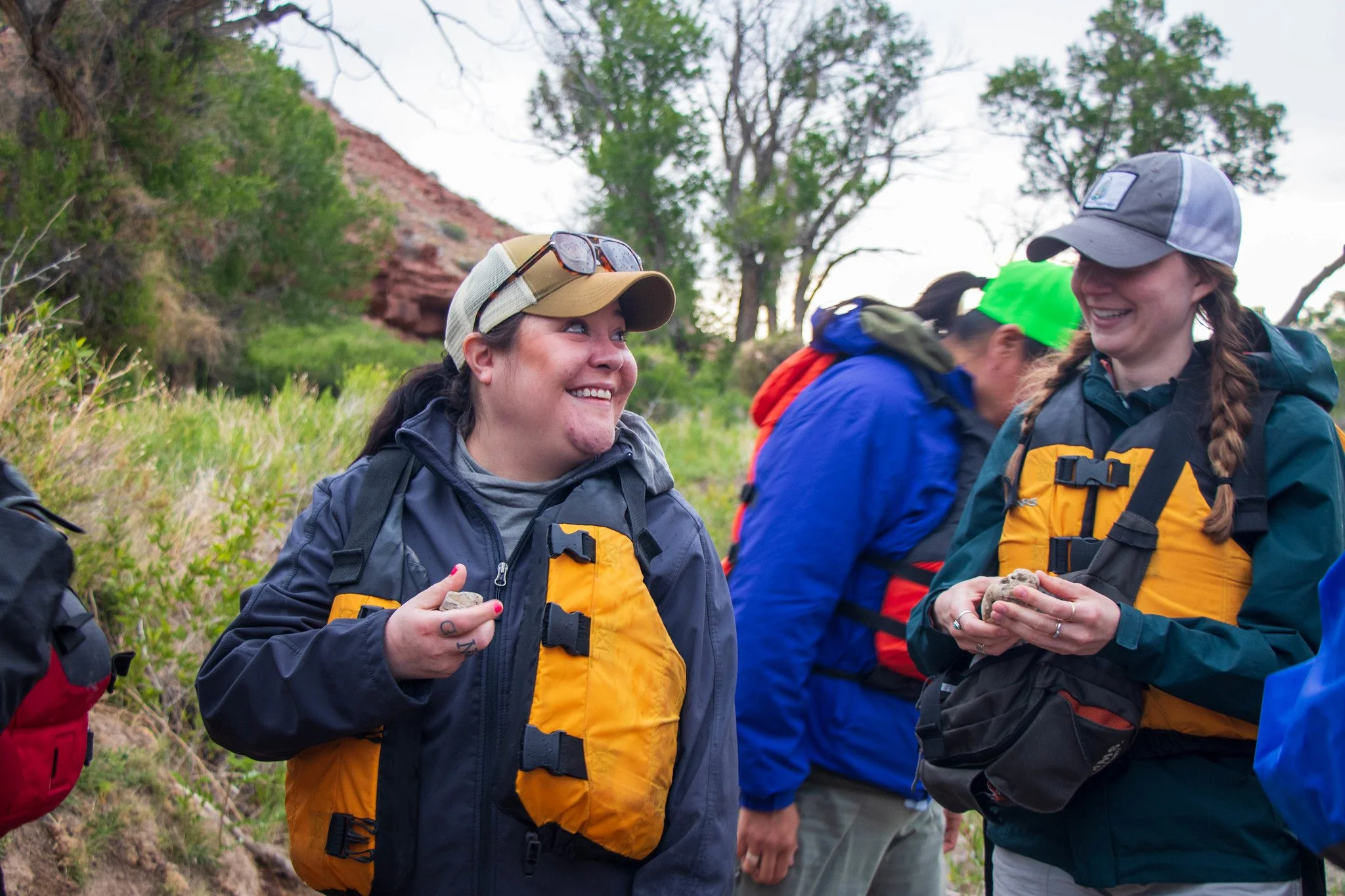
“What an amazing day. Beautiful puffy clouds followed us from Lander to Dubois, and it wasn’t until we were about to load up to head to the river that those clouds burst with much-needed rain. As we floated past cliff sides glistening from the downpour, our boat shared some good medicine: laughter, knowledge of the cottonwoods, willows, warblers, whitebark pine, and that if they were ever to see a moose, I shouldn’t be around.”
—Signa McAdams, Wind River Conservation Organizer
*note that Signa has never seen a moose in 35 years & whenever she leaves, someone with GYC sees multiple meese in the following days.
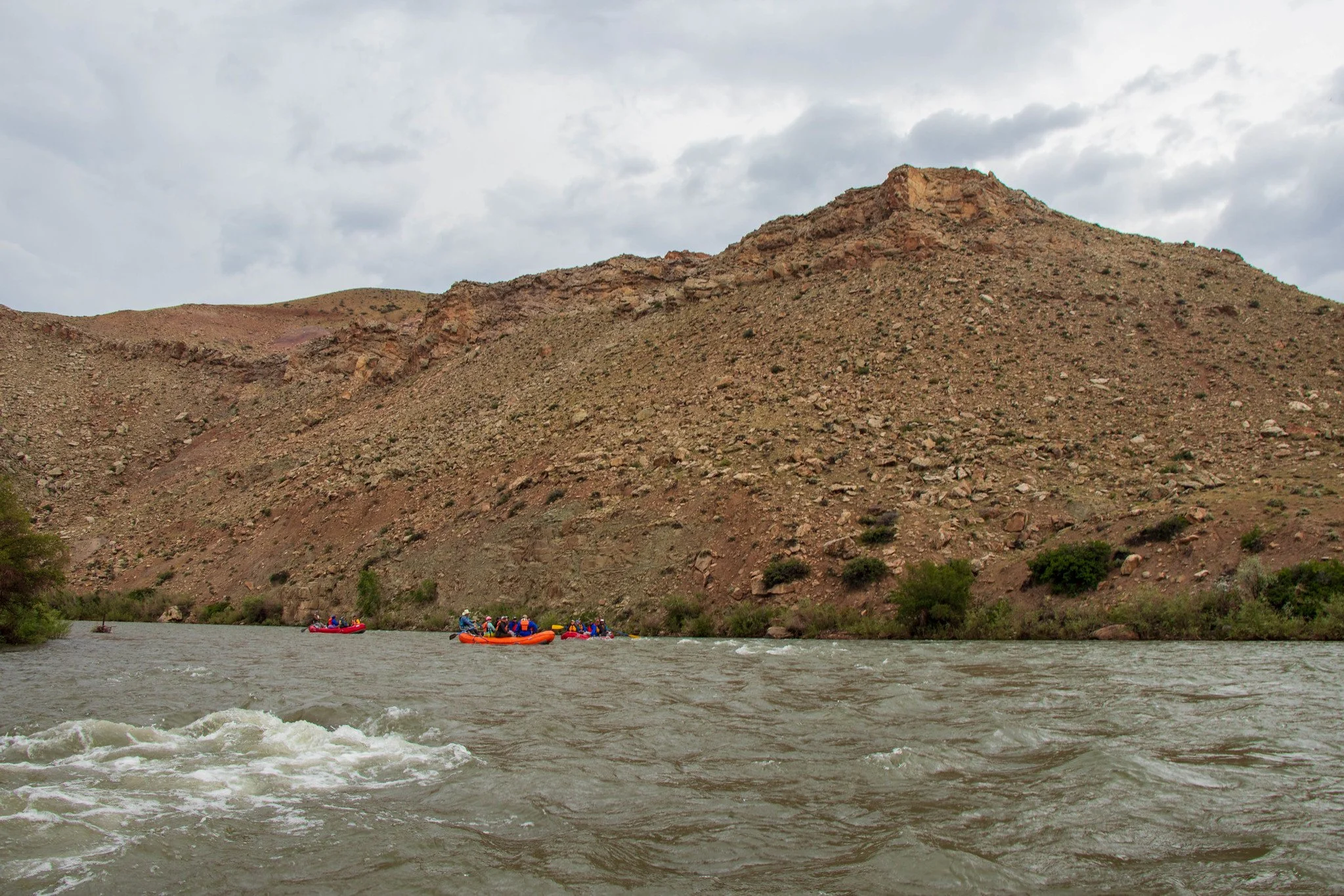
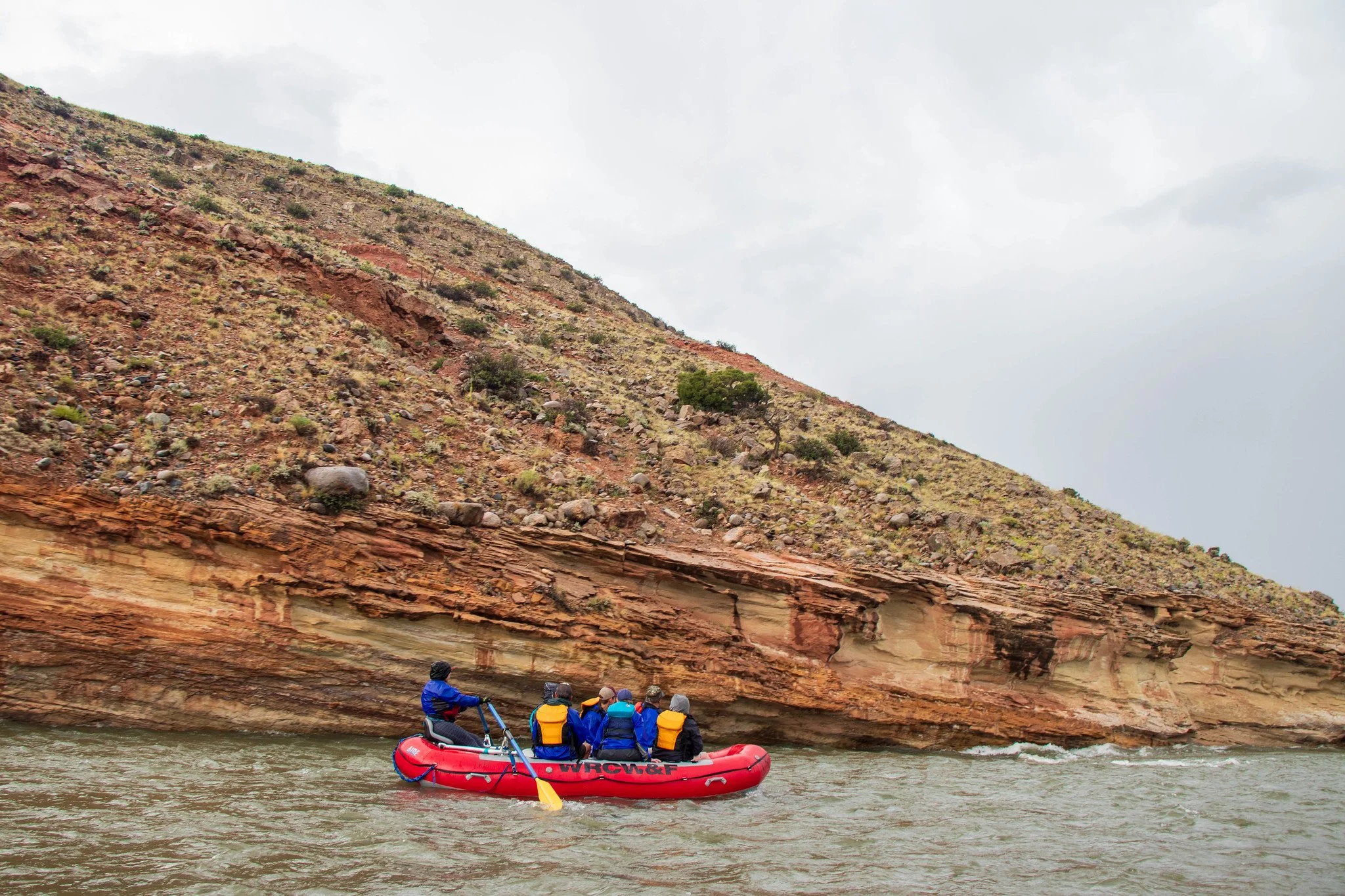
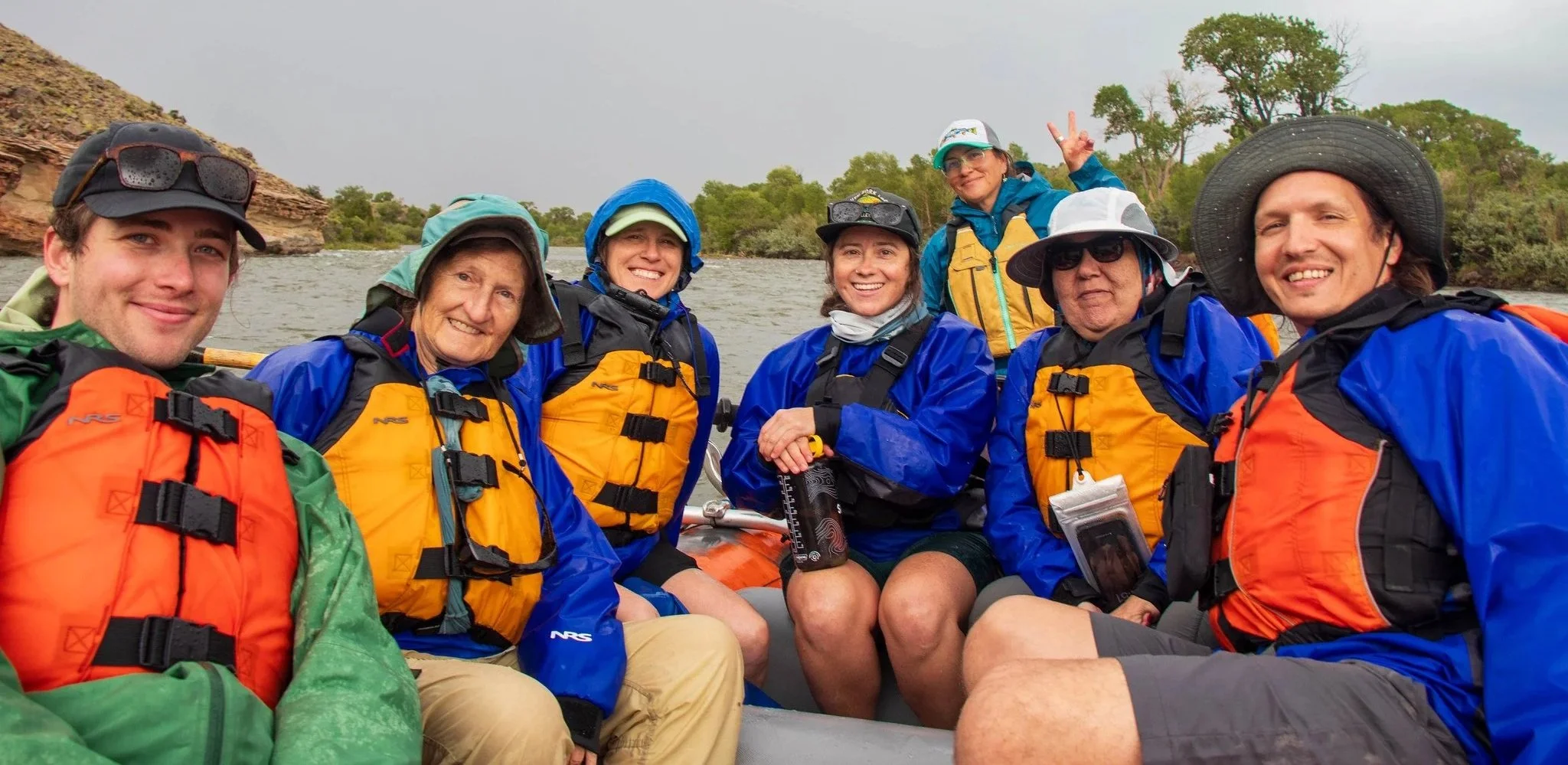
“It was a wet and wild float! The seven of us had great conversations around the Wind River Tribal Water Code and the definitions of beneficial and agricultural uses for water. The people on our boat were knowledgeable, engaged, and full of creative ideas for how best to use the Tribal Water right for the Big Wind River. We also spotted numerous birds along our trip, including a bald eagle, a water ouzel, and several common goldeneye ducks.”
—Sierra Harris, Climate and Water Conservation Manager
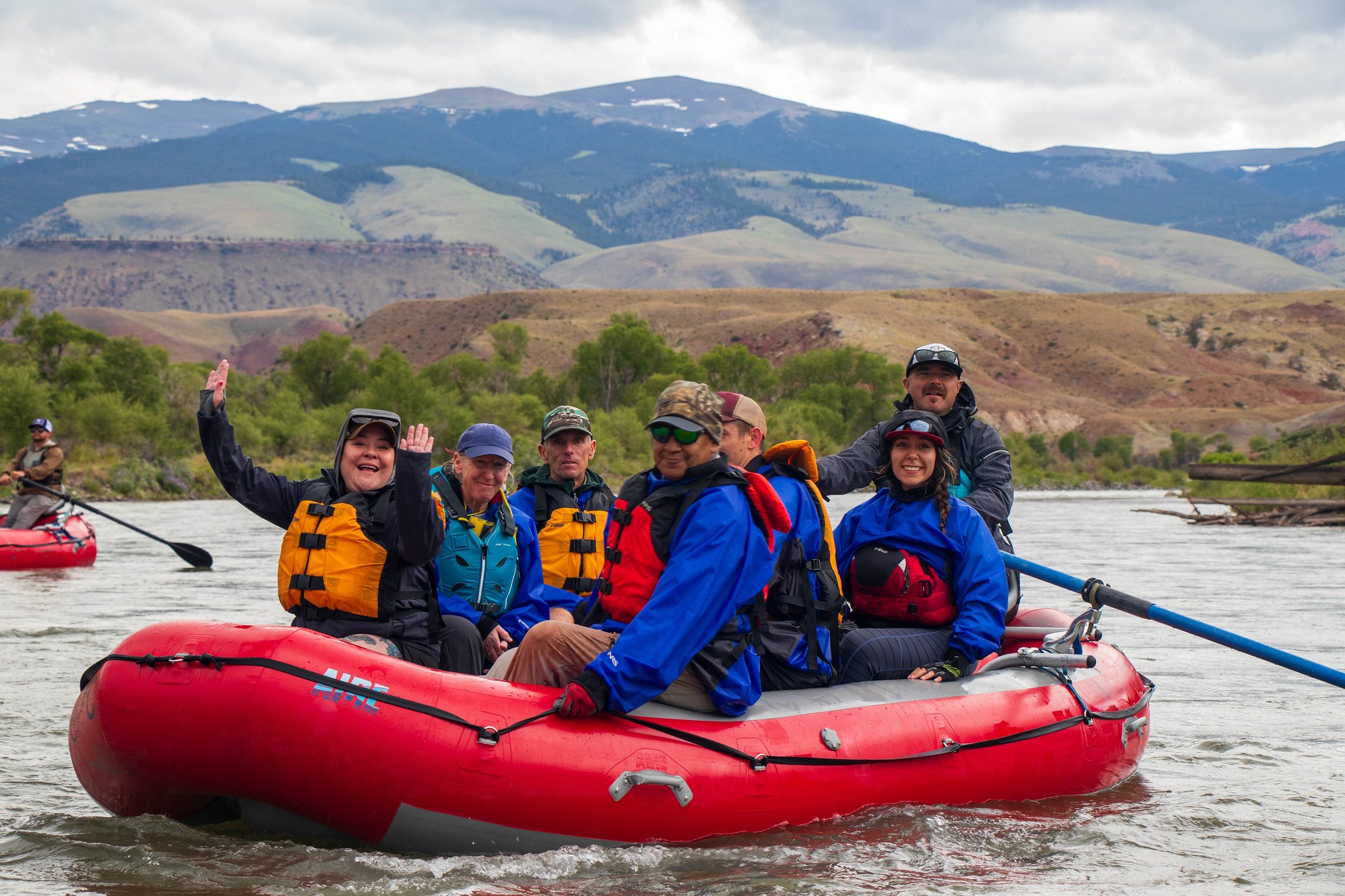
“Rowing a river reminds us that conservation doesn’t belong in the abstract. A river is a dynamic life force, just like us. Our day on the upper reaches of the Big Wind River brought heavy rain, lightning, and thunder, water hues changing from silver to red, explorations through healthy cottonwood galleries to cultural sites, as well as detailed hydrological and stream bank observations. It's hard not to wonder how people have impacted this waterway and how we can turn that history around.”
—Charles Drimal, Director of Conservation
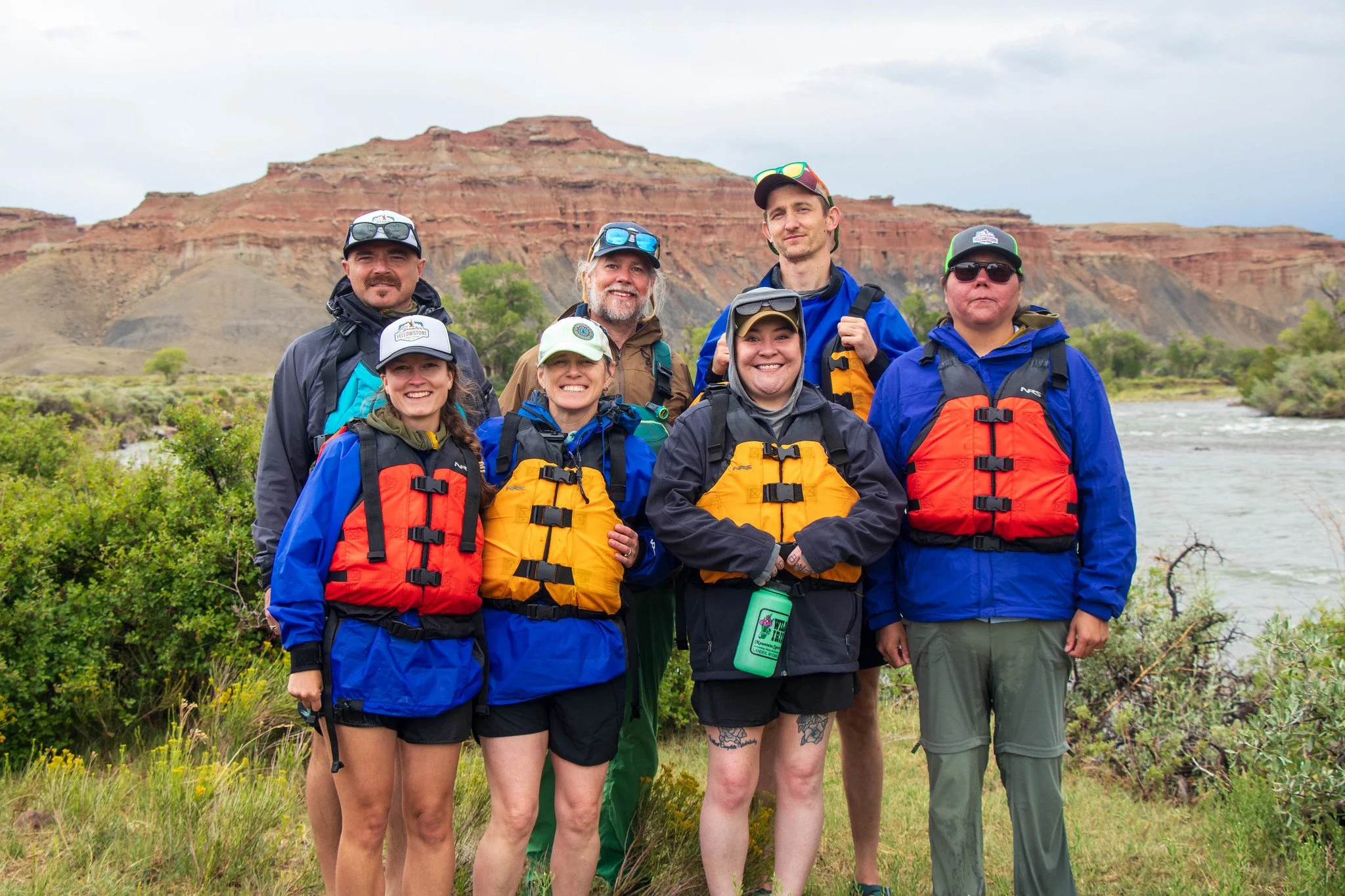
“There’s really no substitute for a shared experience on the river. The Wind is the lifeblood of this valley, and brought together an incredible group of dedicated people to attend this tour. I think we all left this event inspired and invigorated; eager to craft creative solutions to protect and steward the Wind in an uncertain future.”
—Kurt Colhoff, Senior Climate and Water Conservation Associate
Floating this beautiful and abundant stretch of the Big Wind River, it was hard to imagine that just miles downstream Diversion Dam alters the river so significantly that it can’t deliver cold, clean water to the tribes downstream, it can’t provide quality habitat for fish – some years it stops flowing altogether.
GYC is working with the Eastern Shoshone and Northern Arapaho Tribes and federal and state government agencies to find long-term solutions to the function and management of Diversion Dam, including restoring the cultural and ecological health of the Big Wind River and its tributaries.
We are also working to identify priority areas for river and riverside plant restoration as well as climate adaptation projects along a 53-mile stretch of the river to support the cultural, medicinal, nutritional, and ceremonial needs of the Eastern Shoshone and Northern Arapaho.
If you’d like to stay in touch with this work, join our online community today. Thank you to everyone who supports this important work!

– London Bernier, Senior Communications Associate [Bozeman, MT]
Photos Greater Yellowstone Coalition/London Bernier