Montana Wolf Hunting and Trapping Regulations Move in the Right Direction in Response to Significant Population Decline
Last month, the Montana Fish and Wildlife Commission reduced the overall number of wolves that can be hunted and trapped in the state in response to new information indicating a significant statewide population decline. Alongside a return to regional management, lower quotas in Wolf Management Units 313 and 316, and a reduction in the number of wolves an individual hunter can take, these changes marked a step in the right direction for the 2026-2027 Montana wolf hunting and trapping season.
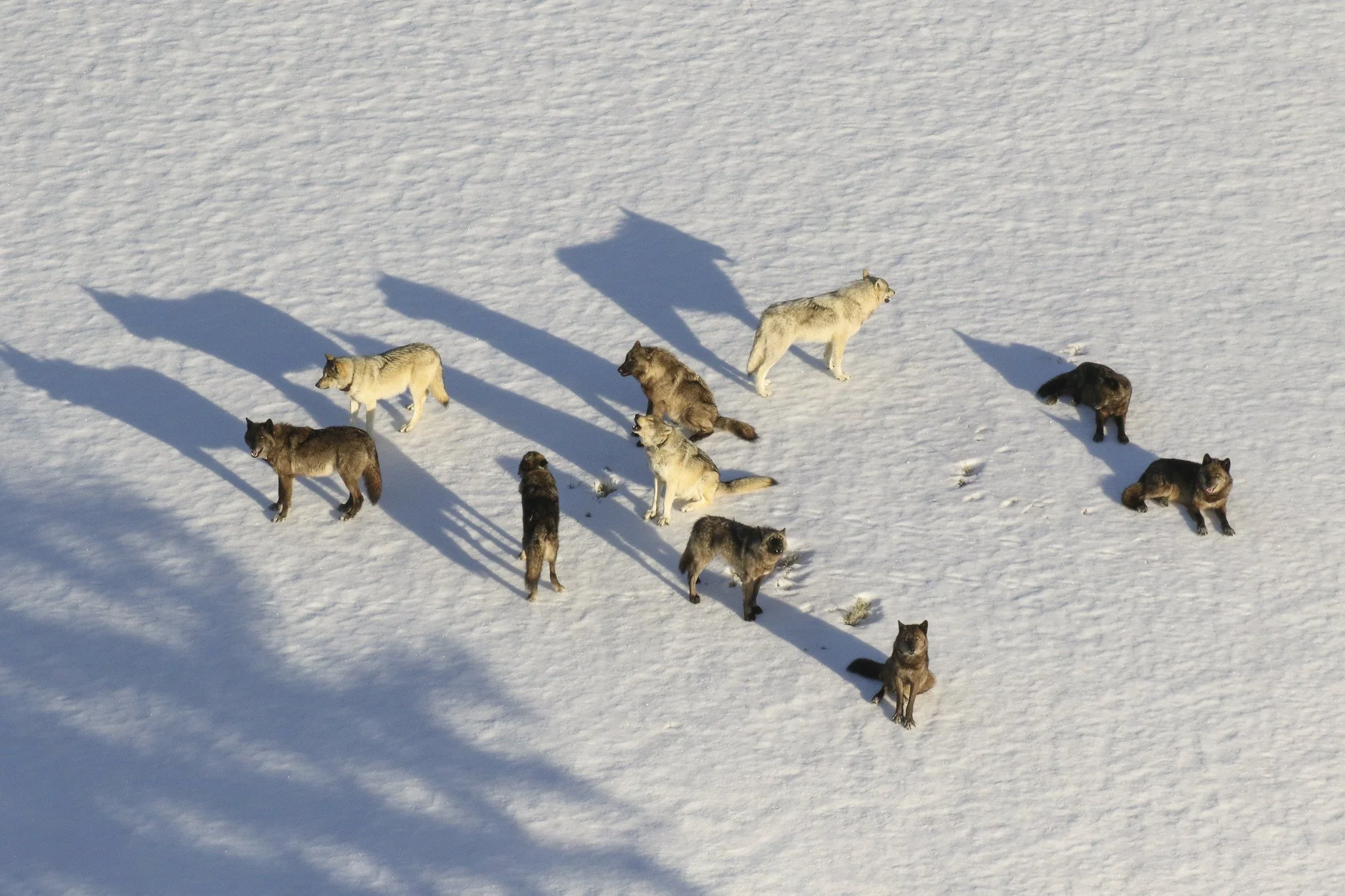
Last month, the Montana Fish and Wildlife Commission reduced the overall number of wolves that can be hunted and trapped in the state in response to new information indicating a significant statewide population decline. Photo NPS/Dan Stahler
The Greater Yellowstone Coalition worked closely with partners to secure improvements to the initial hunting and trapping season proposal developed by Montana Fish, Wildlife, and Parks. We want to thank the Commissioners who heard our concerns and applaud Commissioners Susan Kirby Brooke and K.C. Walsh for bringing forward important amendments for protecting Yellowstone National Park wolves and the community that relies on them.
Thank you to all of you who signed our letter to the Commission. You made your voice heard and it had a positive impact. Here are several important improvements to the final regulations that represent progress for wolves in Montana:
A reduction in the hunting and trapping quota for Wolf Management Units 313 and 316, which border Yellowstone National Park, from three wolves each to one wolf each. This will reduce the mortality of Yellowstone wolves that venture across the park boundary during the hunting and trapping season.
A reduction in the number of wolves individual hunters and trappers can take from 10 to 5 in Region 3 to help mitigate take of wolves that exceeds the quota established for the area.
A shift from a statewide wolf hunting and trapping quota to a regional quota system, setting the stage for geographically tailored management approaches that fit ecological, social, and economic conditions within given regions and communities.
In light of new information indicating a significant decline in the Montana wolf population, the changes outlined above are an important step in the right direction.
Unfortunately, the final regulations still allow up to 300 wolves to be killed through hunting and trapping statewide – 50 more wolves than wildlife professionals recommended. When those 300 wolves are considered alongside wolves that are removed to address livestock conflicts and support our ranching communities, we are concerned that the 2026-2027 regulations allow for an unsustainable level of wolf mortality.
We will continue to track this issue closely and keep you informed of future opportunities to advocate for science-based measures to protect wolves.
To stay up to date, make sure you are signed up to receive our emails.

—Brooke Shifrin, Wildlife Program Manager (Bozeman, MT)