In 2026, the Greater Yellowstone Coalition made unprecedented progress in protecting our nation’s public lands, through our largest advocacy efforts ever and significant on-the-ground conservation projects.
More than 23,000 new advocates joined our community, and together, we generated more than 40,000 calls, letters, and signatures to decision-makers—shattering our previous records for public engagement.
And while so much of our work this year has focused on defending existing public lands, we also had the rare opportunity to create new public lands.
None of this would be possible without supporters like you.
As we look forward, the work to protect our public lands is far from done. We'll be starting off 2027 by defending lands, waters, and wildlife at the Idaho, Wyoming, and Montana state legislatures and U.S. Congress.
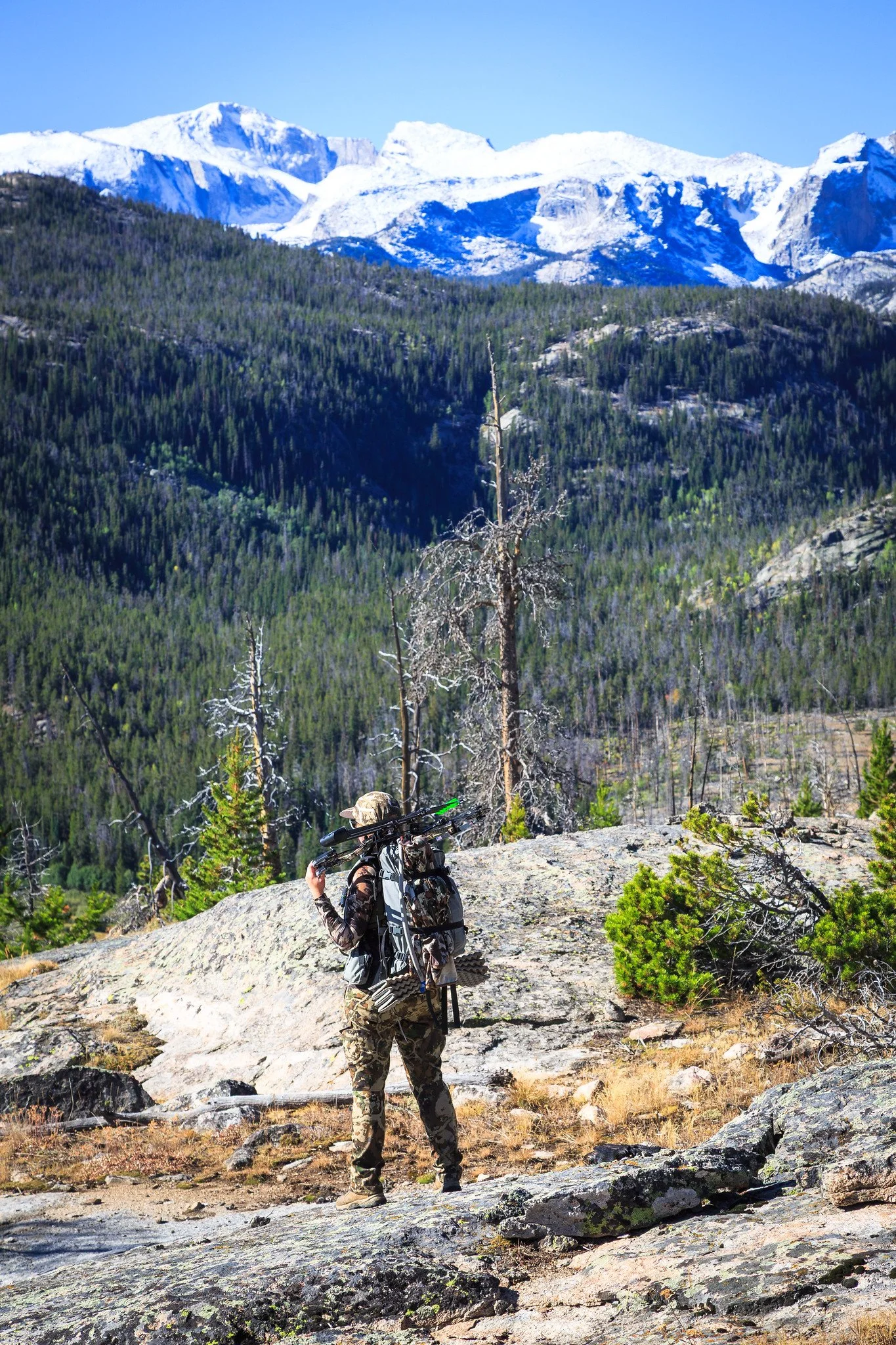
A hunter in a Roadless Area near the Wind River Indian Reservation in Wyoming. (Photo Josh Metten)
Speaking Up for Wild Places and the Roadless Rule
Our efforts contributed to the more than 1.6 million comments submitted nationwide against the elimination of the Roadless Rule. This overwhelming response to keep our backcountry public lands intact shows just how important roadless areas are to people across the country. The Greater Yellowstone Coalition also hosted 19 in-person comment writing parties in communities across Greater Yellowstone. More than 500 handwritten postcards were packaged and mailed to the USDA – 10.5 pounds of love for our public lands.
Thank you to everyone who showed up and spoke up, it was great to meet so many new faces and connect with old friends.
Did Someone Say NEW Public Lands?
Since the Greater Yellowstone Coalition bought a gold mine in 2022 to extinguish the threat of mining on Yellowstone's northern border, our staff have been working to play more than just defense. GYC has been proactively working with The Conservation Fund, the U.S. Forest Service, and private landowners on Crevice Mountain to ensure the successful transition of additional land and mineral rights from private ownership to public stewardship.
The conservation impact extends beyond the surface of the land itself. In addition to protecting the minerals beneath the CMMC parcels and a portion of the Emma parcel from future development, GYC also donated 194 acres of below-ground mineral rights under adjacent Forest Service lands on Palmer Mountain. These mineral rights were part of GYC’s acquisition of the mining company and are now permanently protected from development.
The next time you stand beneath the Roosevelt Arch on the border of Yellowstone National Park and look east toward the forested mountains along the Park’s northern boundary, you will see Crevice Mountain rising 3,000 feet above the Yellowstone River. Consider what could have been – and what was protected through collaboration, persistence, and a shared commitment to conservation.
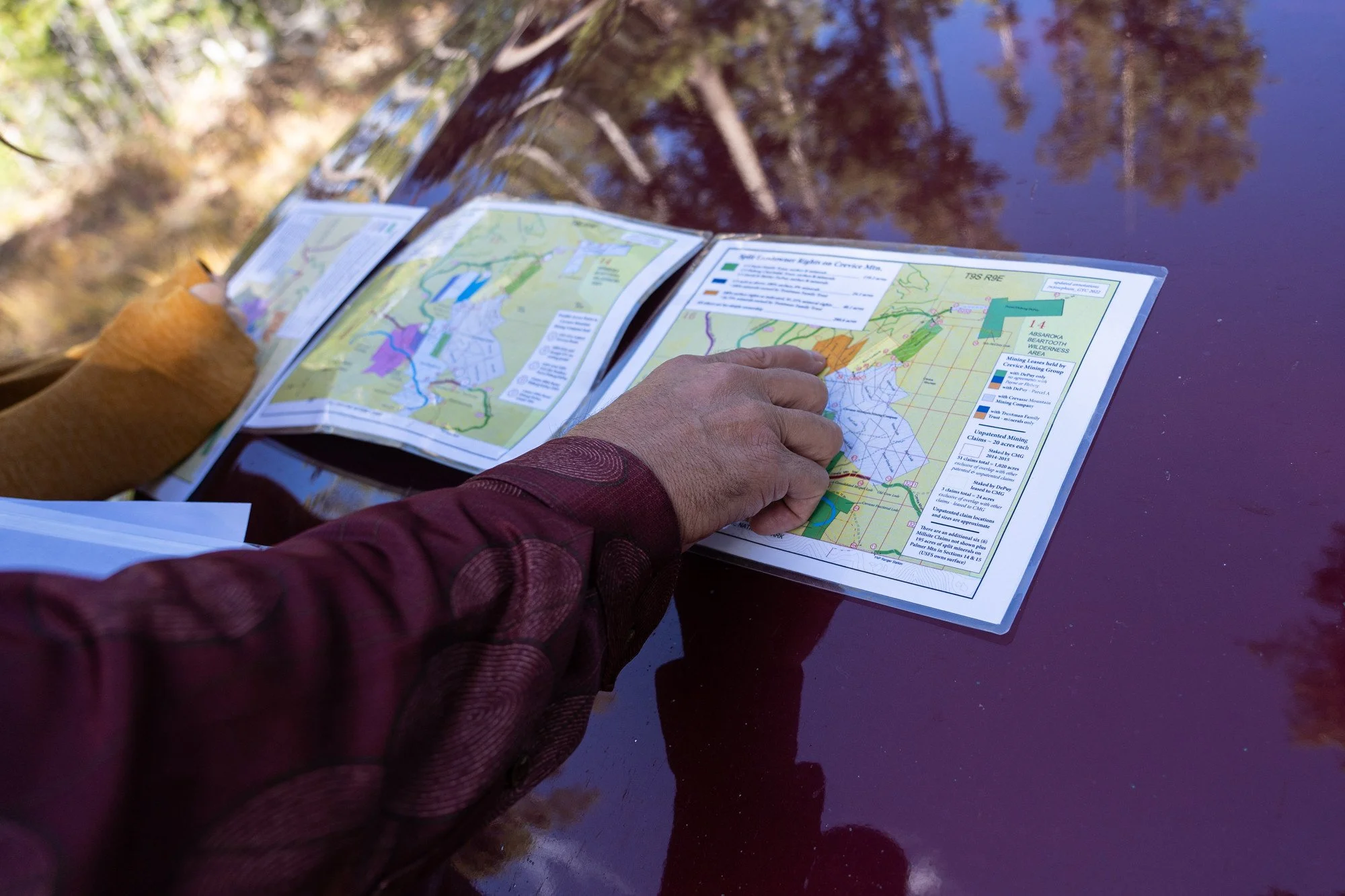
Maps of the area surrounding the Yellowstone Boundary Gold Mine. (Photo GYC/Emmy Reed)
The BLM Needed a Public Lands Champion, Not Steve Pearce
In May, Steve Pearce was confirmed to lead the Bureau of Land Management. Despite a track record of trying to sell off public lands (seven times) and the millions of Americans who have made it clear that public lands are not for sale, Pearce’s confirmation sends the message that our public lands are still at risk.
“Now that Mr. Pearce is confirmed, he has a chance to step up and be the public land champion the thousands of people who weighed in on his nomination want him to be," said GYC Executive Director Scott Christensen. “Together, we sent more than 7,800 messages to Senators across the country during Pearce's nomination process. Thank you for speaking up for America’s public lands. We’ll continue to fight for our public lands, family traditions, clean drinking water, and iconic wildlife. Mr. Pearce, please join us.”
Grand Targhee Expansion Decision Will Harm Teton Wildlife
In the heart of the Greater Yellowstone Ecosystem, the west slope of the Tetons is characterized by the forested hillsides and remote terrain that provide premium habitat for bighorn sheep, nesting raptors, and other wildlife — but newly approved development on public land here is likely to make their lives much more difficult.
That’s a key impact of Grand Targhee Resort’s expansion plan, which the Caribou-Targhee National Forest approved in early June. In its draft decision, the forest granted the resort most of the improvements it asked for, including expanding onto 694 acres of public land not currently included in its special-use boundary.
GYC, our partners and advocates, and multiple local governments asked the Forest Service to deny the expansion while allowing improvements within the existing ski area boundary. Instead, the forest approved the expansion with small changes it says will mitigate the wildlife concerns raised. We expect to learn more about a final decision in early 2027.
Bridger-Teton National Forest to Update 35-year-old Management Plan
In a few days, the forest will take another critical step in the forest planning process, opening public comment on a draft Wild and Scenic Rivers Eligibility Study Report. This is an opportunity for all to speak up for wild rivers and urge the forest to permanently protect the waters that make the Bridger-Teton iconic.
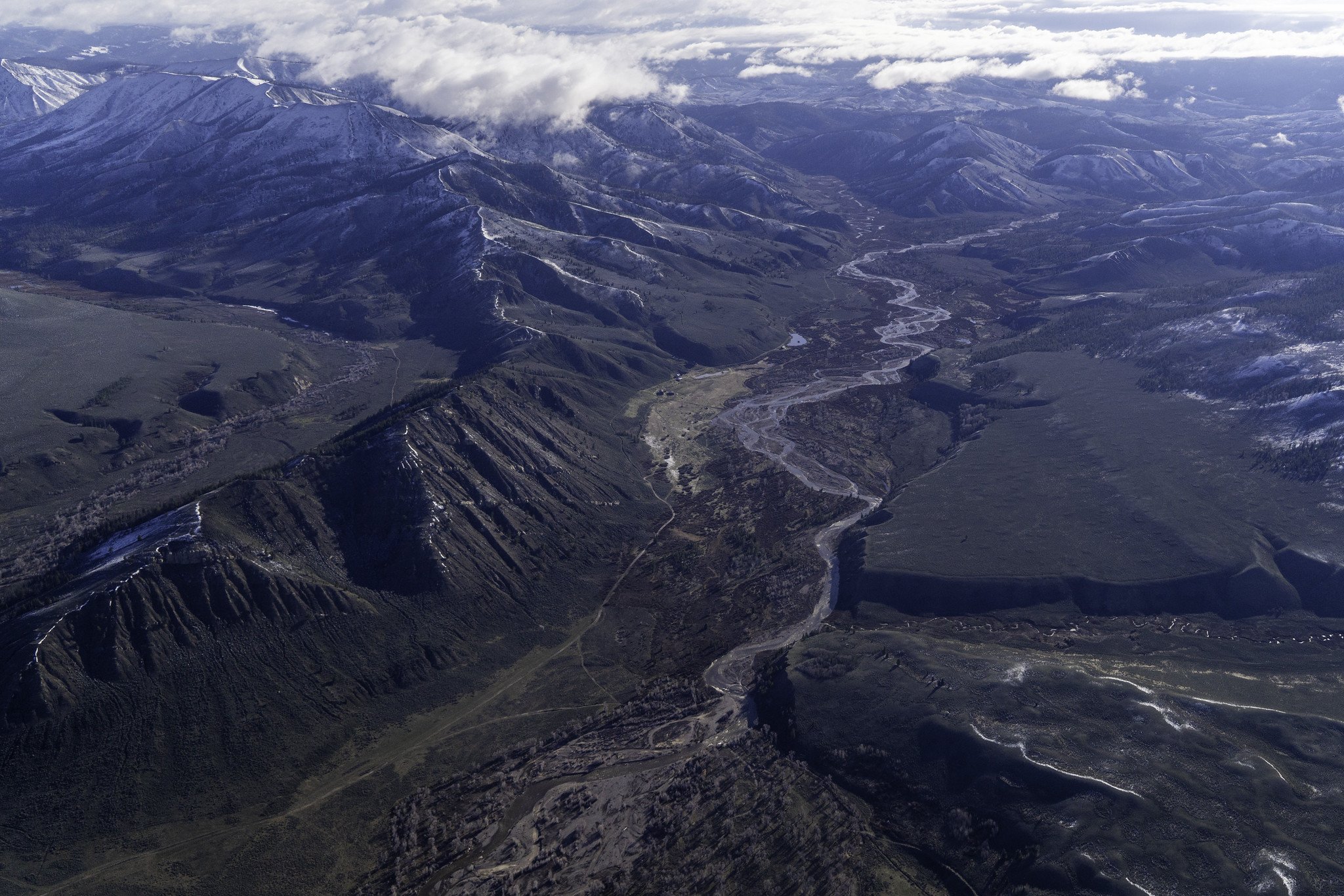
Fish Creek in the Bridger-Teton National Forest of Wyoming. (Photo Ecoflight)
Legislative Sessions to Kick Off 2027
The Greater Yellowstone Coalition team is preparing to hit the ground running in 2027 as Idaho, Montana, and Wyoming legislative sessions – plus U.S. Congress – commence lawmaking in January. We'll be monitoring bills, giving testimony, and asking advocates like you to speak up for land, water, and wildlife in Greater Yellowstone. Sign up and join our email list to receive opportunities to take action!

—London Bernier, Senior Communications Associate (Bozeman, Montana)